
Snoring and bruxism are two common sleep-related issues that affect a large portion of the population. While they may seem like separate problems, there is actually a strong connection between the two. In this blog post, we will explore the relationship between snoring and bruxism, how they can impact each other, and potential treatment options.
First, let’s define what snoring and bruxism are. Snoring is a noisy breathing sound that occurs during sleep due to the narrowing of the airway. It is a common problem that can affect people of all ages and genders. On the other hand, bruxism is a condition where a person unconsciously grinds, gnashes, or clenches their teeth. It can happen during the day or at night, but nighttime bruxism is more common and can often go unnoticed.
Now, you may be wondering what the connection is between these two seemingly unrelated issues. Well, research has shown that there is a significant overlap between snoring and bruxism. In fact, studies have found that up to 40% of people who snore also have bruxism, and vice versa. This is because both snoring and bruxism are caused by similar factors, such as airway obstruction, sleep apnea, and muscle tension in the jaw and throat.
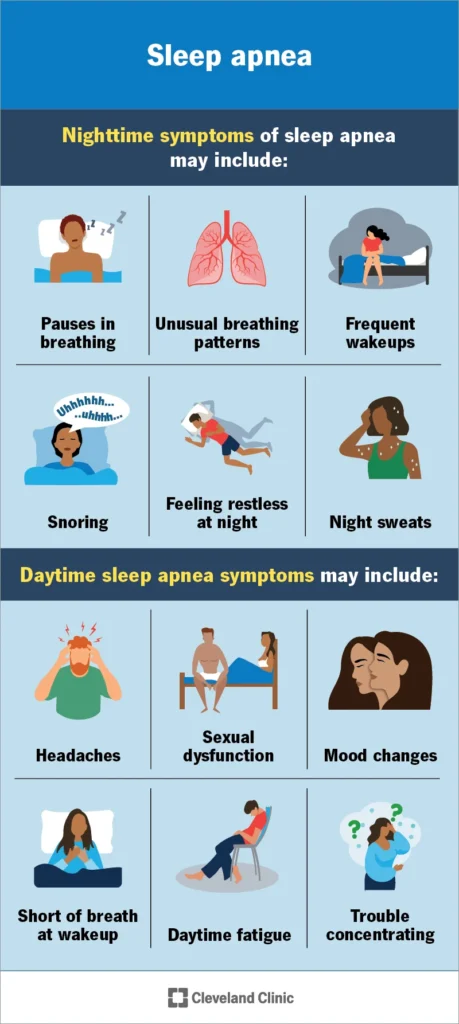
One of the main ways in which snoring and bruxism are connected is through sleep apnea. Sleep apnea is a sleep disorder where the airway becomes blocked during sleep, causing the person to stop breathing for short periods of time. This can lead to snoring and also cause the jaw muscles to tense up, leading to bruxism. Furthermore, the grinding and clenching of the teeth during bruxism can further narrow the airway, exacerbating snoring and sleep apnea. This creates a vicious cycle, where snoring and bruxism feed off each other and make each other worse.
Another factor linking snoring and bruxism is muscle tension. When a person snores, the muscles in the throat and jaw become relaxed, causing the airway to narrow and vibrate. This same tension can also lead to bruxism as the muscles in the jaw become overactive and clench the teeth together. This can be especially problematic for people who already have a tendency to grind their teeth, as the muscle tension from snoring can aggravate their bruxism and cause further damage to their teeth.
So, now that we understand the connection between snoring and bruxism, let’s discuss the potential impact they can have on each other. As mentioned earlier, both conditions can worsen when they occur together. This can lead to a variety of negative effects, such as disrupted sleep, fatigue, headaches, and even tooth damage. Additionally, the loud snoring associated with sleep apnea and bruxism can also disturb the sleep of a partner, leading to relationship problems and potential sleep disturbances for both parties.
The Connection Between Snoring and Bruxism
Furthermore, both snoring and bruxism have been linked to other health issues. For example, sleep apnea has been linked to high blood pressure, heart disease, and stroke, while bruxism has been associated with headaches, temporomandibular joint (TMJ) disorder, and tooth damage. This highlights the importance of addressing both conditions to not only improve sleep quality but also maintain overall health.
Now that we understand the connection between snoring and bruxism and the potential impact they can have, let’s discuss treatment options. The first step in addressing both conditions is to consult with a healthcare professional. They can evaluate the severity of your snoring and bruxism and determine the best course of treatment for you.
For snoring, treatment options may include lifestyle changes such as weight loss and avoiding alcohol before bedtime. In more severe cases, a continuous positive airway pressure (CPAP) machine or oral appliances may be recommended to help keep the airway open during sleep. These treatments can also have a positive impact on bruxism, as they can reduce the frequency and intensity of snoring, thus reducing tension in the jaw and throat muscles.
For bruxism, treatment options may include wearing a mouthguard at night to protect the teeth and reduce grinding. In more severe cases, a dentist may recommend orthodontic treatment to correct any misalignment of the teeth that may be contributing to bruxism. Additionally, stress management techniques, such as relaxation exercises or counseling, can also help reduce muscle tension and alleviate symptoms of bruxism.
In summary, there is a strong connection between snoring and bruxism, and they can impact each other in various ways. Both conditions can worsen when they occur together, leading to disrupted sleep, relationship problems, and potential health issues. However, with the right treatment and management, it is possible to address both snoring and bruxism and improve overall sleep quality and health.
In conclusion, snoring and bruxism are two common sleep-related issues that are closely linked. They can both be caused by similar factors and can have a significant impact on each other. It is crucial to address both conditions to not only improve sleep quality but also maintain overall health. Consulting with a healthcare professional and exploring various treatment options can help manage snoring and bruxism and promote better sleep and well-being.