
Blog Post Title: The Connection Between Snoring and Heart Health: What Doctors Say
Snoring is a common issue that affects millions of people worldwide. While it may seem like a harmless and annoying habit, did you know that snoring can actually have a significant impact on your heart health? Many doctors have been studying the link between snoring and heart health and have found some surprising connections. In this blog post, we will delve deeper into this topic and discuss what doctors have to say about the connection between snoring and heart health.
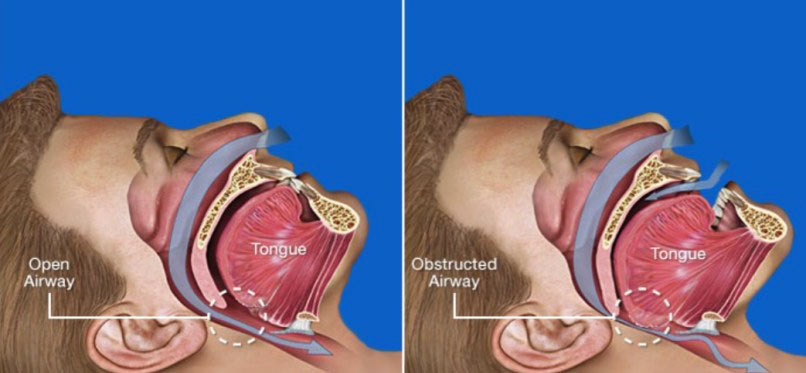
Snoring is the loud and often harsh sound that is produced when air flows through your throat as you breathe during sleep. It is caused by the vibration of the soft tissues in your upper airway, such as the tongue, uvula, and soft palate. While occasional snoring is common and not a cause for concern, chronic or loud snoring can be a sign of an underlying health issue.
One of the main concerns with snoring is its impact on sleep quality. Snoring can cause disruptions in the sleep cycle, leading to fragmented and poor quality sleep. This can result in daytime fatigue, irritability, and difficulty concentrating. But what does this have to do with heart health?
According to Dr. Raj Dasgupta, a pulmonary and sleep specialist, snoring can be a sign of obstructive sleep apnea (OSA). OSA is a sleep disorder where the muscles in the back of the throat relax too much, causing the airway to narrow or close completely. This leads to pauses in breathing during sleep, which can decrease the oxygen levels in the blood.
The decrease in oxygen levels can put a strain on the heart, as it has to work harder to pump blood to the organs. This can increase the risk of high blood pressure, heart disease, and stroke. In fact, studies have shown that people with OSA are at a higher risk of developing cardiovascular diseases.
In addition to the effects of OSA on the heart, snoring itself can also be a risk factor for heart disease. A study published in the Journal of the American College of Cardiology found that people who snore loudly and frequently have a higher risk of developing atherosclerosis, a condition where plaque builds up in the arteries, reducing blood flow to the heart.
The Connection Between Snoring and Heart Health: What Doctors Say
Dr. Reena Mehra, a sleep specialist at the Cleveland Clinic, explains that snoring can also affect the heart by causing inflammation in the body. The vibrations produced by snoring can lead to inflammation in the throat and upper airway, which can then spread to other parts of the body, including the heart. This chronic inflammation can increase the risk of heart disease, as well as other health issues such as diabetes and stroke.
Moreover, snoring can also disrupt the balance of hormones in the body, specifically those that regulate appetite and metabolism. This can lead to weight gain and obesity, which are known risk factors for heart disease and other health problems.
So, what can be done to improve both snoring and heart health? The first step is to consult a doctor if you or your partner are experiencing chronic or loud snoring. They can conduct a sleep study to determine if you have OSA or any other underlying issues.
In cases of mild to moderate OSA, lifestyle changes such as losing weight, avoiding alcohol and sedatives before bed, and sleeping on your side can help reduce snoring and improve sleep quality. In more severe cases, a CPAP (continuous positive airway pressure) machine may be recommended to keep the airway open during sleep.
In addition to these measures, doctors also recommend maintaining a healthy lifestyle to improve heart health. This includes regular exercise, a nutritious diet, and managing stress levels. Quitting smoking is also crucial, as it can worsen both snoring and heart health.
In conclusion, snoring may seem like a minor inconvenience, but it can have a significant impact on your heart health. By understanding the connection between snoring and heart health, we can take proactive steps to improve our sleep and overall well-being. If you or a loved one is experiencing chronic snoring, it is essential to consult a doctor and address the issue to reduce the risk of heart disease and other health problems.
In summary, snoring is more than just an annoying habit. It can be a sign of a sleep disorder called obstructive sleep apnea, which can put a strain on the heart and increase the risk of heart disease and stroke. Snoring itself can also contribute to inflammation and hormonal imbalances that can impact heart health. Consulting a doctor and making lifestyle changes can help improve both snoring and heart health.