
The Connection between Snoring and Mouthguards: What You Need to Know
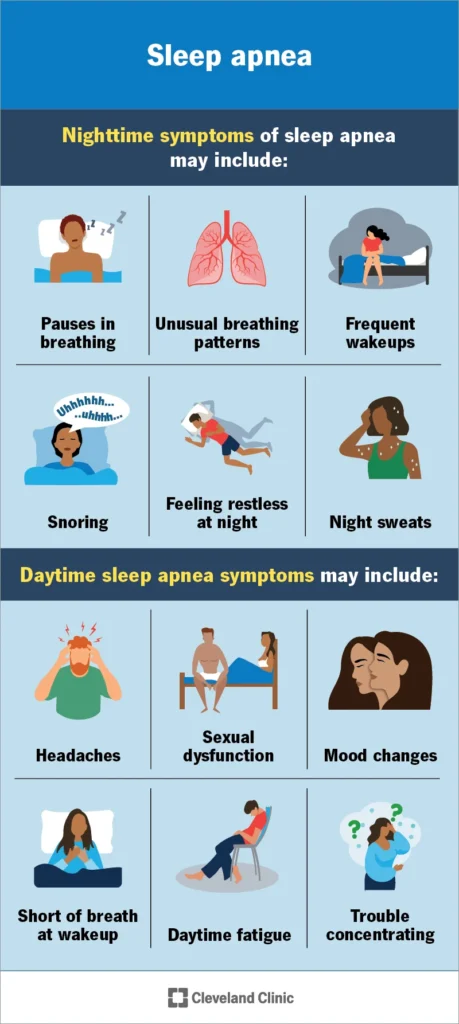
Snoring is a common issue that affects millions of people worldwide. While it may seem like a harmless annoyance, chronic snoring can lead to serious health problems, including sleep apnea. As a result, many people seek solutions to reduce or eliminate their snoring. One popular option is the use of mouthguards. In this blog post, we will explore the connection between snoring and mouthguards, and what you need to know about this potential solution.
What Causes Snoring?
Before we delve into the relationship between snoring and mouthguards, it is essential to understand the root cause of snoring. Snoring occurs when the soft tissues at the back of the throat vibrate due to the obstruction of air flow during sleep. This can be caused by various factors, such as enlarged tonsils, nasal congestion, or a deviated septum. In some cases, snoring can also be a result of the position of the tongue, jaw, or palate.
The Link between Snoring and Mouthguards
Mouthguards, also known as dental appliances, are commonly used to protect teeth from grinding and clenching. However, they can also be used to treat snoring and sleep apnea. Mouthguards work by holding the jaw in a slightly forward position, which helps to keep the airway open and prevent the soft tissues from vibrating. This can effectively reduce or eliminate snoring for many individuals.
Types of Mouthguards for Snoring
There are several types of mouthguards available for snoring, each with its own unique design and function. The most common types include:
1. Boil and Bite Mouthguards – These are over-the-counter mouthguards that can be customized by heating them in hot water and then biting down to create a mold of the teeth.
The Connection between Snoring and Mouthguards: What You Need to Know
2. Custom-made Mouthguards – These are specially designed by a dentist to fit the individual’s mouth and address their specific snoring issues.
3. Mandibular Advancement Devices (MADs) – These mouthguards are designed to hold the lower jaw in a forward position, which helps to keep the airway open.
4. Tongue Retaining Devices (TRDs) – These mouthguards hold the tongue in place to prevent it from blocking the airway.
Effectiveness of Mouthguards for Snoring
While the use of mouthguards for snoring is a popular option, their effectiveness may vary from person to person. In some cases, they may completely eliminate snoring, while in others, they may only reduce it. It is important to note that the success of mouthguards also depends on the cause of snoring. For example, if snoring is due to a deviated septum, a mouthguard may not be as effective as it would be for someone with a tongue or jaw issue.
Risks and Precautions
While mouthguards may seem like a simple and harmless solution for snoring, they do come with some risks and precautions. It is crucial to consult with a dentist before using a mouthguard, as they can assess the cause of snoring and recommend the most suitable type of mouthguard. Using a poorly fitted mouthguard can lead to jaw pain, tooth movement, and other dental issues. Additionally, if you have dentures or other dental appliances, it is important to consult with a dentist to ensure that a mouthguard will not interfere with them.
Summary:
Snoring is a common problem that can lead to serious health issues. Mouthguards, which are commonly used for teeth grinding, can also be an effective solution for snoring. They work by holding the jaw in a forward position, keeping the airway open and preventing the soft tissues from vibrating. There are various types of mouthguards available, and their effectiveness may vary depending on the cause of snoring. It is essential to consult with a dentist before using a mouthguard to ensure it is the right solution for your snoring issues.