
Title: The Do’s and Don’ts of Using a Mouthpiece for Heavy Snorers
Snoring is a common issue that affects millions of people worldwide. For some, it may be a minor annoyance, but for others, it can be a serious problem that affects their quality of life and their relationships. Heavy snorers, in particular, face challenges in getting a good night’s sleep and may even experience health problems due to their snoring. In recent years, mouthpieces have emerged as a popular solution for heavy snorers, but using them properly is crucial for their effectiveness. In this blog post, we will discuss the do’s and don’ts of using a mouthpiece for heavy snorers.
Do’s:
1. Consult with a Doctor: Before using a mouthpiece, it is essential to consult with a doctor to rule out any underlying health issues that may be causing your snoring. A doctor can also recommend the best type of mouthpiece for your specific needs.
2. Choose the Right Mouthpiece: There are various types of mouthpieces available in the market, such as mandibular advancement devices (MADs) and tongue-retaining devices (TRDs). It is crucial to choose the right one that fits your mouth and addresses the root cause of your snoring.
3. Follow Instructions: Each mouthpiece comes with specific instructions on how to use and clean it. It is essential to follow these instructions carefully to ensure the mouthpiece works effectively and lasts longer.
4. Be Patient: It may take some time to get used to wearing a mouthpiece while sleeping. Be patient and give yourself time to adjust to it. It may also take a few nights to see the full benefits of using a mouthpiece, so don’t give up too soon.
5. Clean Regularly: Bacteria and germs can build up on a mouthpiece if it is not cleaned regularly. It is recommended to clean the mouthpiece after each use with a mild soap and water. You can also use a denture cleaner or a mouthpiece cleaning solution for a more thorough clean.
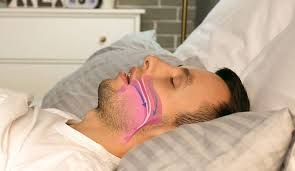
The Do's and Don'ts of Using a Mouthpiece for Heavy Snorers
6. Replace when Necessary: Mouthpieces have a lifespan, and it is essential to replace them when they become worn out or lose their shape. This ensures that the mouthpiece continues to work effectively and prevents any potential health risks.
Don’ts:
1. Use Without Proper Fitting: A poorly fitting mouthpiece can be uncomfortable and ineffective. It can also cause jaw pain and soreness. Make sure to follow the instructions for fitting the mouthpiece correctly or seek help from a dentist if needed.
2. Use if You Have Dental Issues: If you have any dental issues, such as loose teeth or dentures, it is not recommended to use a mouthpiece without consulting with a dentist first. A mouthpiece can put pressure on your teeth and worsen any existing dental problems.
3. Use if You Have Sleep Apnea: A mouthpiece is not a suitable treatment for sleep apnea, a severe sleep disorder. If you suspect you have sleep apnea, it is essential to seek medical treatment from a doctor.
4. Share with Others: A mouthpiece is a personal device and should not be shared with others. Sharing a mouthpiece can spread germs and bacteria, and it may not fit properly for the other person, rendering it ineffective.
5. Use for Children: Mouthpieces are not suitable for children as they are still developing and may not fit properly in their mouth. It is also not recommended to use any device for snoring in children without consulting with a doctor first.
In summary, using a mouthpiece for heavy snorers can be an effective solution to reduce snoring and improve sleep quality. It is essential to consult with a doctor, choose the right mouthpiece, and follow instructions for the best results. Regular cleaning and replacement when necessary are also crucial for maintaining the effectiveness and safety of the mouthpiece. However, it is essential to avoid using a mouthpiece if you have dental issues or sleep apnea, and never share it with others or use it for children.