
Blog Post:
Caffeine is the most commonly consumed psychoactive substance in the world. Found in coffee, tea, energy drinks, and some medications, caffeine is known for its ability to boost alertness and energy levels. However, many people are unaware of the potential effects of caffeine on snoring. In this blog post, we will explore the relationship between caffeine and snoring and discuss what you need to know about this often overlooked connection.
What is Snoring?
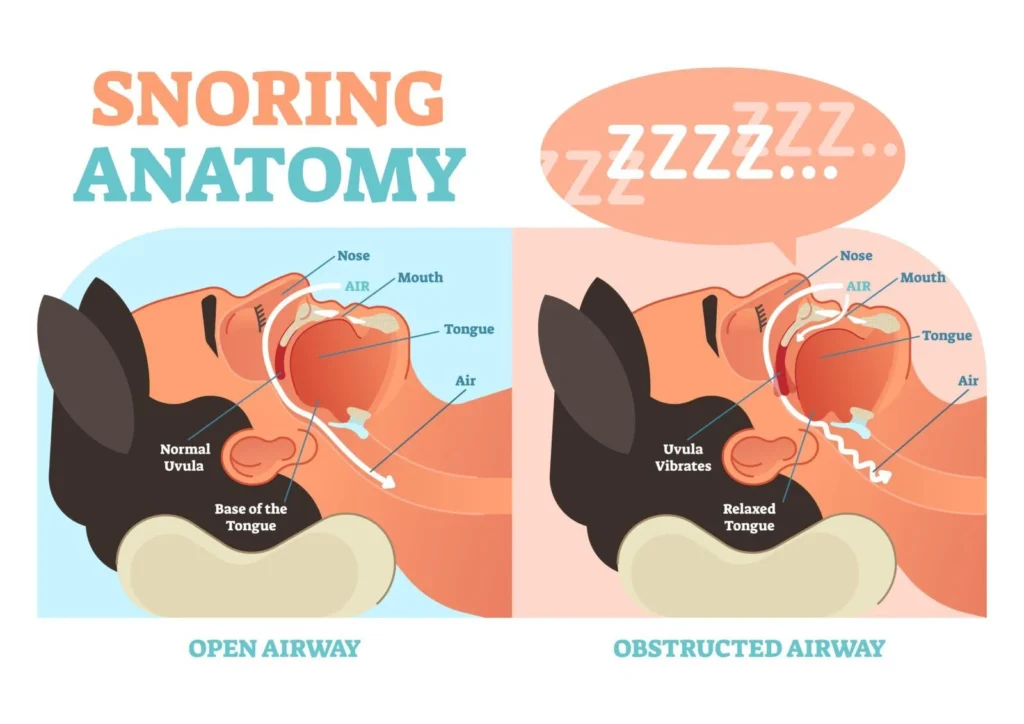
Before diving into the effects of caffeine on snoring, it is important to understand what snoring is and what causes it. Snoring is a common sleep disorder that occurs when the muscles and tissues in the throat relax and narrow the airway. This narrowing causes vibrations in the throat, resulting in the characteristic snoring sound. While occasional snoring is normal, chronic snoring can be a symptom of a more serious sleep disorder, such as sleep apnea.
Effects of Caffeine on Sleep
Caffeine has been shown to have various effects on sleep. As a stimulant, caffeine can increase alertness, reduce fatigue, and improve cognitive performance. However, these effects can also disrupt sleep patterns. Caffeine blocks the effects of adenosine, a chemical that promotes sleepiness, and can delay the onset of sleep. This delay in falling asleep can lead to reduced total sleep time and poorer sleep quality.
Caffeine can also cause frequent awakenings during the night. Even if you are able to fall asleep after consuming caffeine, it can still disrupt your sleep cycle and prevent you from reaching the deep, restorative stages of sleep. This can result in feeling tired and groggy the next day, which can further increase your reliance on caffeine.
Caffeine and Snoring
Now that we understand the effects of caffeine on sleep, we can explore its potential impact on snoring. As mentioned earlier, snoring occurs when the muscles and tissues in the throat relax and narrow the airway. When we consume caffeine, it acts as a central nervous system stimulant, causing an increase in muscle activity. This increase in muscle activity can lead to further relaxation of the throat muscles, making them more likely to collapse and obstruct the airway, resulting in snoring.
The Effects of Caffeine on Snoring: What You Need to Know
Additionally, caffeine can also contribute to acid reflux, a condition in which stomach acid flows back up into the esophagus. Acid reflux can irritate the throat and cause swelling, making it more difficult for air to pass through the airway. This can also contribute to snoring.
Furthermore, caffeine can also have a dehydrating effect on the body. When we are dehydrated, the secretions in our nose and throat become thicker, making it more difficult to breathe through our nose. This can lead to mouth breathing, which is a common cause of snoring.
Tips for Reducing Snoring
If you are a snorer and also a caffeine lover, there are some steps you can take to reduce the potential impact of caffeine on your snoring. First and foremost, try to limit your caffeine intake, especially in the hours leading up to bedtime. This will give your body enough time to metabolize the caffeine and reduce its effects on sleep.
It is also important to stay hydrated and drink plenty of water throughout the day. This will help to thin out secretions in the nose and throat, making it easier to breathe through your nose and reducing the likelihood of mouth breathing.
In addition, practicing good sleep hygiene can also help reduce snoring. This includes maintaining a consistent sleep schedule, creating a comfortable sleep environment, and avoiding other substances that can disrupt sleep, such as alcohol and nicotine.
When to Seek Medical Help
While snoring can be a nuisance, it is important to recognize when it may be a symptom of a more serious sleep disorder, such as sleep apnea. If you experience chronic snoring, excessive daytime sleepiness, or other symptoms such as gasping or choking during sleep, it is important to consult with a doctor. They can help determine the underlying cause of your snoring and provide appropriate treatment.
Summary:
Caffeine, the most commonly consumed psychoactive substance, can have various effects on sleep. As a stimulant, it can increase alertness and improve cognitive performance, but it can also disrupt sleep patterns. When it comes to snoring, caffeine can contribute to muscle relaxation, acid reflux, and dehydration, all of which can worsen snoring. To reduce the potential impact of caffeine on snoring, it is important to limit caffeine intake, stay hydrated, and practice good sleep hygiene. If snoring persists, it is important to seek medical help to rule out any underlying sleep disorders.