
The Future of Snoring Relief: Tongue Retaining Devices
Snoring is a common problem that affects millions of people worldwide. It not only disrupts the sleep of the snorer but also the sleep of their partner or roommates. In addition, snoring can be a sign of a more serious condition known as sleep apnea. Traditional methods of snoring relief, such as nasal strips and mouthpieces, have been around for years, but a new device is gaining popularity as the future of snoring relief – tongue retaining devices (TRDs). In this blog post, we will explore what TRDs are, how they work, and why they are considered the future of snoring relief.
What are Tongue Retaining Devices?
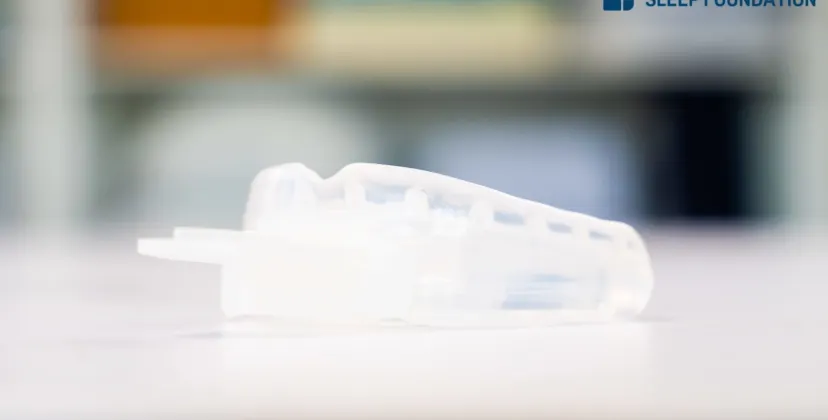
TRDs are oral appliances that are specifically designed to alleviate snoring and sleep apnea. They are made of soft, flexible materials and are custom-fit to each individual’s mouth. Unlike traditional mouthpieces, which focus on the positioning of the jaw, TRDs work by holding the tongue in a forward position. By doing so, they prevent the tongue from blocking the airway and causing snoring.
How Do They Work?
TRDs work by holding the tongue in place with a suction cup-like mechanism. The device is placed in the mouth before sleep and is positioned to hold the tongue in a forward position. This prevents the tongue from falling back and blocking the airway, which is a common cause of snoring. The device is held in place by suction, so it is important to ensure a proper fit for maximum effectiveness. TRDs are also adjustable, allowing for a comfortable fit for each individual.
Why are TRDs Considered the Future of Snoring Relief?
There are several reasons why TRDs are gaining popularity as the future of snoring relief. Firstly, they are non-invasive and do not require any surgery. Many people are hesitant to undergo surgery for snoring relief, so TRDs provide a safe and effective alternative. Additionally, TRDs are comfortable and easy to use. Unlike traditional mouthpieces, which can be uncomfortable and bulky, TRDs are made of soft materials and are not as intrusive in the mouth.
The Future of Snoring Relief: Tongue Retaining Devices
Furthermore, TRDs are effective for both snoring and sleep apnea. While traditional methods of snoring relief may only target snoring, TRDs have been found to improve symptoms of sleep apnea as well. This is because sleep apnea is often caused by a blocked airway, which TRDs can help prevent by keeping the tongue in a forward position.
Another benefit of TRDs is their portability. They are small and easy to pack, making them convenient for travel. This allows individuals to continue using their TRD even when they are away from home, ensuring a good night’s sleep wherever they go.
The Future of TRDs
As technology continues to advance, so does the development of TRDs. Currently, most TRDs are custom-fit by a dentist or sleep specialist. However, there are now advancements in 3D printing technology that allow for at-home production of TRDs. This could potentially make TRDs more accessible and affordable for those who may not have easy access to a dentist or sleep specialist.
Moreover, there is ongoing research and development to improve the design and effectiveness of TRDs. Some studies have found that combining TRDs with other treatments, such as nasal dilators or positional therapy, can provide even better results. This shows potential for TRDs to become even more effective in the future.
Conclusion
In conclusion, TRDs are a promising solution for snoring and sleep apnea. They are non-invasive, comfortable, and effective, making them a popular choice for snoring relief. As technology and research continue to advance, the future looks bright for TRDs. They have the potential to become even more accessible and effective, providing relief for millions of people who struggle with snoring and sleep apnea.
Summary: Tongue retaining devices (TRDs) are a new device gaining popularity as the future of snoring relief. They work by holding the tongue in a forward position to prevent it from blocking the airway. TRDs are considered the future of snoring relief because they are non-invasive, comfortable, and effective for both snoring and sleep apnea. Advancements in technology and ongoing research show potential for TRDs to become even more accessible and effective in the future.