
Caffeine is a widely consumed stimulant that is found in many popular beverages such as coffee, tea, and energy drinks. It is also present in some foods and medications. While caffeine is often associated with increased energy and alertness, it also has hidden dangers that many people are unaware of. One of these dangers is its potential impact on snoring and sleep quality.
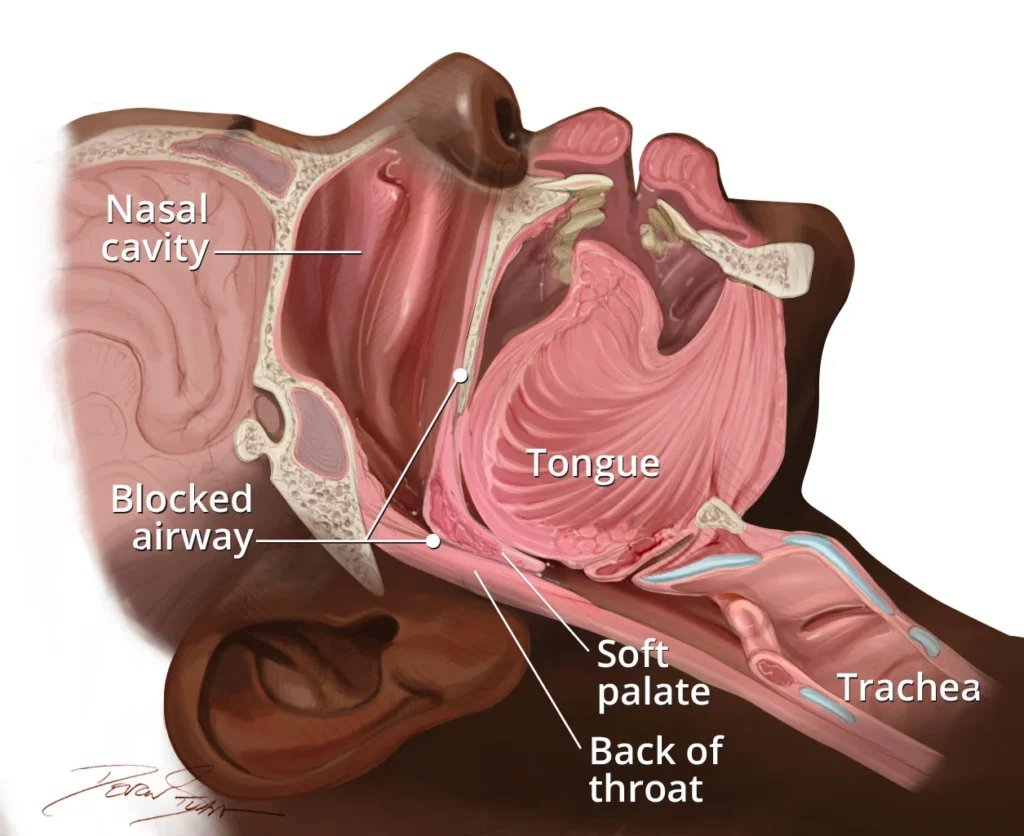
Snoring is a common sleep issue that affects millions of people worldwide. It occurs when the airway becomes partially blocked during sleep, causing vibrations in the throat that result in the loud, hoarse sound we know as snoring. While snoring may seem harmless, it can actually be a sign of a more serious underlying issue, such as sleep apnea. In this blog post, we will explore the hidden dangers of caffeine and how it can affect your snoring and overall sleep quality.
The Link Between Caffeine and Snoring
Caffeine has been shown to have a direct impact on the quality of sleep. It is a stimulant that can disrupt the body’s natural sleep-wake cycle, making it harder for you to fall asleep and stay asleep. When consumed in large amounts, caffeine can also increase the frequency of nighttime awakenings, resulting in a fragmented and less restful sleep.
But how does caffeine specifically affect snoring? One study found that caffeine intake can increase the severity of snoring in individuals with sleep apnea. This is because caffeine can relax the muscles in the airway, causing them to collapse and obstruct the flow of air. This can make snoring louder and more frequent, as well as increase the risk of sleep apnea episodes.
Furthermore, caffeine can also cause inflammation in the airway, making it more difficult for air to pass through, resulting in increased snoring. This inflammation can also contribute to the development of other sleep disorders, such as obstructive sleep apnea, which is characterized by frequent pauses in breathing during sleep.
Caffeine and Insomnia
Insomnia is a sleep disorder that is characterized by difficulty falling or staying asleep. Caffeine is a known contributor to insomnia, as it can stay in your system for up to six hours after consumption. This means that even if you have your last cup of coffee in the early afternoon, it can still affect your ability to fall asleep at night.
Individuals with insomnia also have a higher risk of developing snoring and sleep apnea. This is because when we are sleep-deprived, our muscles tend to relax more, including the muscles in the throat. This can lead to increased snoring and even episodes of sleep apnea.
Caffeine and Heart Health
Heart disease is a major health concern worldwide, and studies have shown that snoring can be a contributing factor. Snoring has been linked to an increased risk of high blood pressure, heart attack, stroke, and other cardiovascular diseases. When we sleep, our bodies enter a state of relaxation, including the muscles in our airway. This can cause the airway to narrow, making it more difficult for air to pass through. This can lead to periods of low oxygen levels in the body, which can put a strain on the heart and increase the risk of heart disease.
As mentioned earlier, caffeine can relax the muscles in the airway, which can contribute to snoring. This means that individuals who consume large amounts of caffeine may be at a higher risk of developing snoring-related heart issues.
The Hidden Dangers of Caffeine and Snoring
The Hidden Dangers of Caffeine and Snoring
The most significant hidden danger of caffeine and snoring is the potential development or worsening of sleep apnea. Sleep apnea is a serious sleep disorder that is characterized by frequent pauses in breathing during sleep. These pauses can last from a few seconds to a few minutes and can occur multiple times throughout the night. If left untreated, sleep apnea can lead to serious health issues such as high blood pressure, heart disease, and stroke.
Caffeine consumption can also lead to daytime sleepiness, which can negatively impact daily activities such as work, driving, and overall productivity. This can also increase the risk of accidents and injuries.
What Can You Do?
If you are a caffeine lover and also struggle with snoring, there are a few things you can do to minimize the potential negative effects:
1. Limit your caffeine intake: While completely cutting out caffeine may not be feasible for some individuals, limiting your intake can still make a significant difference. Try to avoid consuming caffeine after midday and opt for decaffeinated options when possible.
2. Try alternative sleep remedies: Instead of relying on caffeine to give you an energy boost, try alternative methods such as taking a short nap, going for a walk, or practicing relaxation techniques to increase your energy levels.
3. Seek treatment for snoring and sleep apnea: If you are a chronic snorer or have been diagnosed with sleep apnea, it is essential to seek treatment. Treatment options range from lifestyle changes, such as avoiding caffeine and losing weight, to medical interventions like CPAP (continuous positive airway pressure) therapy.
In conclusion, while caffeine is a popular and socially accepted stimulant, it is crucial to understand its potential hidden dangers, especially in relation to snoring and sleep quality. Limiting caffeine intake and seeking treatment for snoring and sleep apnea can improve overall sleep quality and reduce the risk of potential health issues. So next time you reach for that cup of coffee, remember to also consider the potential impact it may have on your sleep.
Summary:
Caffeine is a widely consumed stimulant that can have hidden dangers, especially in relation to snoring and sleep quality. It can relax the muscles in the airway, contributing to snoring and increasing the risk of sleep apnea. Caffeine intake can also lead to insomnia, which can further worsen snoring and increase the risk of sleep apnea. Additionally, caffeine has been linked to heart disease, as it can contribute to snoring-related heart issues. To minimize the potential negative effects of caffeine, individuals can limit their intake, try alternative sleep remedies, and seek treatment for snoring and sleep apnea.
SEO metadata: