
Smoking and snoring are two common habits that can have serious consequences on your health. While smoking is widely known to be harmful, many people may not be aware of the hidden dangers of snoring. In this blog post, we will explore the health risks associated with smoking and snoring, and what you need to know in order to protect yourself and your loved ones.
Smoking is a leading cause of preventable death worldwide, with approximately 7 million people dying from smoking-related diseases every year. It is a well-established fact that smoking can increase the risk of lung cancer, heart disease, stroke, and various other health conditions. However, smoking can also have detrimental effects on your respiratory system, leading to chronic bronchitis, emphysema, and chronic obstructive pulmonary disease (COPD). This is because the chemicals in cigarettes can irritate and damage the lining of your lungs, making it difficult to breathe.
In addition to the harm it causes to the smoker, secondhand smoke can also be dangerous for those around them. Non-smokers who are exposed to secondhand smoke are at an increased risk of developing lung cancer, heart disease, and other respiratory problems. This is especially concerning for children, as they are more vulnerable to the effects of secondhand smoke due to their developing respiratory systems.
Moreover, smoking can also have a significant impact on your sleep quality. Nicotine, the addictive substance found in cigarettes, acts as a stimulant, making it difficult for smokers to fall asleep and stay asleep. This can lead to sleep deprivation, which can have a domino effect on your overall health and well-being. Chronic sleep deprivation has been linked to a weakened immune system, obesity, and an increased risk of chronic diseases such as diabetes and heart disease. Furthermore, smoking can also worsen existing sleep disorders such as sleep apnea, a condition where a person’s breathing repeatedly stops and starts during sleep.
While smoking is a known risk factor for sleep apnea, snoring is also a common symptom of this sleep disorder. Snoring is caused by the narrowing of the airway, which can be due to excess weight, enlarged tonsils, or a deviated septum. However, smoking can also contribute to snoring by causing inflammation and swelling in the airway, making it more difficult for air to pass through. This can lead to disturbed sleep and daytime fatigue, as well as an increased risk of serious health problems such as high blood pressure, heart disease, and stroke.
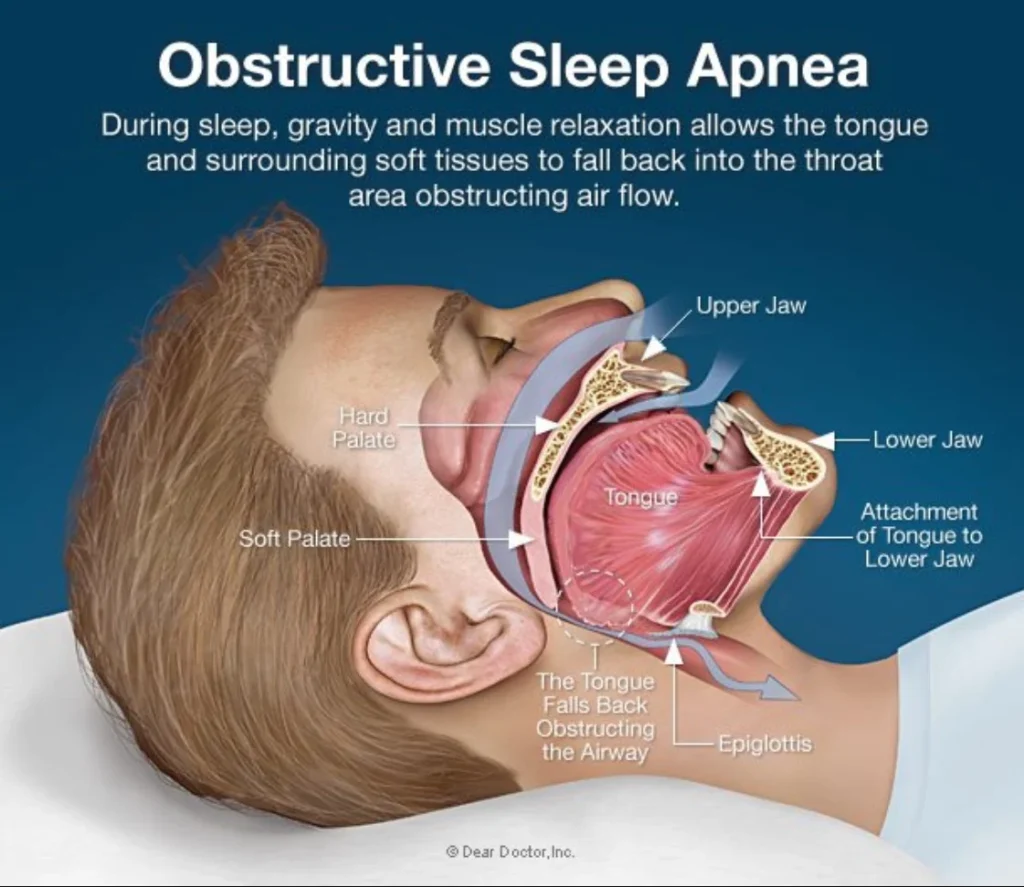
The Hidden Dangers of Smoking and Snoring: What You Need to Know
Aside from the respiratory and sleep-related dangers, smoking and snoring can also have a negative impact on your relationship and quality of life. Snoring can disrupt your partner’s sleep and lead to resentment and strain in the relationship. In some cases, it may even lead to separate bedrooms or ultimately, a breakdown in the relationship. Moreover, the smell of smoke and the potential health risks associated with it can also create tension and arguments between partners.
If you are a smoker, it is never too late to quit. The health benefits of quitting smoking are numerous and can be seen almost immediately. Within hours of quitting, your heart rate and blood pressure drop, and within a few weeks, your lung function and circulation can improve significantly. The risk of developing smoking-related diseases also decreases over time, and you can lower your risk of heart disease to that of a non-smoker after just a few years of quitting.
As for snoring, there are various lifestyle changes and treatments available to help improve your sleep and reduce snoring. Losing weight, avoiding alcohol and sedatives before bed, and sleeping on your side instead of your back can all help reduce snoring. In cases of severe sleep apnea, a continuous positive airway pressure (CPAP) machine may be recommended to keep the airway open during sleep.
In conclusion, smoking and snoring are two habits that may seem harmless at first, but can have severe consequences on your health and relationships. It is crucial to be aware of the hidden dangers of these habits and take steps to reduce or eliminate them from your life. If you are a smoker, consider quitting and seeking help if needed. And if you or your partner snore, speak to a healthcare professional to address any underlying sleep disorders and find solutions to improve your sleep and overall well-being.
In summary, smoking and snoring can have serious health risks, from lung cancer and heart disease to sleep apnea and strained relationships. Quitting smoking and seeking treatment for snoring can greatly improve your health and quality of life. It is important to be aware of the hidden dangers of these habits and take steps to protect yourself and your loved ones.