
Blog Post: The Hidden Dangers of Snoring for Your Heart
Snoring is often seen as a harmless and even comical habit, but what many people don’t realize is that it can actually have serious health consequences, particularly for your heart. If you or a loved one is a chronic snorer, it’s important to understand the hidden dangers of snoring and take steps to address it. In this blog post, we will explore the connection between snoring and heart health, as well as ways to prevent or reduce snoring for the sake of your heart.
The Link Between Snoring and Heart Health
While snoring itself may not seem like a serious issue, it can be a symptom of a larger problem. Snoring is often caused by a narrowing of the airway, which can be due to a variety of factors such as obesity, allergies, or sleep apnea. When the airway is narrowed, it can lead to disruptions in breathing during sleep, resulting in snoring. These disruptions in breathing can also have a negative impact on your heart.
One of the main dangers of snoring for your heart is the increased risk of developing cardiovascular disease. Studies have shown that people who snore regularly are more likely to have high blood pressure, which puts them at a higher risk for heart disease and stroke. This is because the restricted airflow during snoring can cause the body to release stress hormones, which can lead to an increase in blood pressure. Over time, this can damage the arteries and increase the risk of heart disease.
In addition, snoring has also been linked to an increased risk of heart attack. This is due to the fact that snoring can lead to a decrease in oxygen levels in the blood, causing the heart to work harder to pump oxygen-rich blood throughout the body. This added strain on the heart can increase the risk of heart attack or other heart-related issues.
Ways to Prevent or Reduce Snoring
The Hidden Dangers of Snoring for Your Heart
If you or your partner is a chronic snorer, there are steps you can take to reduce or prevent snoring in order to protect your heart health. The first step is to identify the cause of your snoring. This may require a visit to a doctor or sleep specialist to determine if you have any underlying conditions, such as sleep apnea, that may be contributing to your snoring.
In some cases, making simple lifestyle changes can help reduce snoring. For example, losing weight, avoiding alcohol before bedtime, and sleeping on your side instead of your back can all help to open up the airway and reduce snoring. If allergies are the culprit, using an air purifier or treating allergies with medication can also help to alleviate snoring.
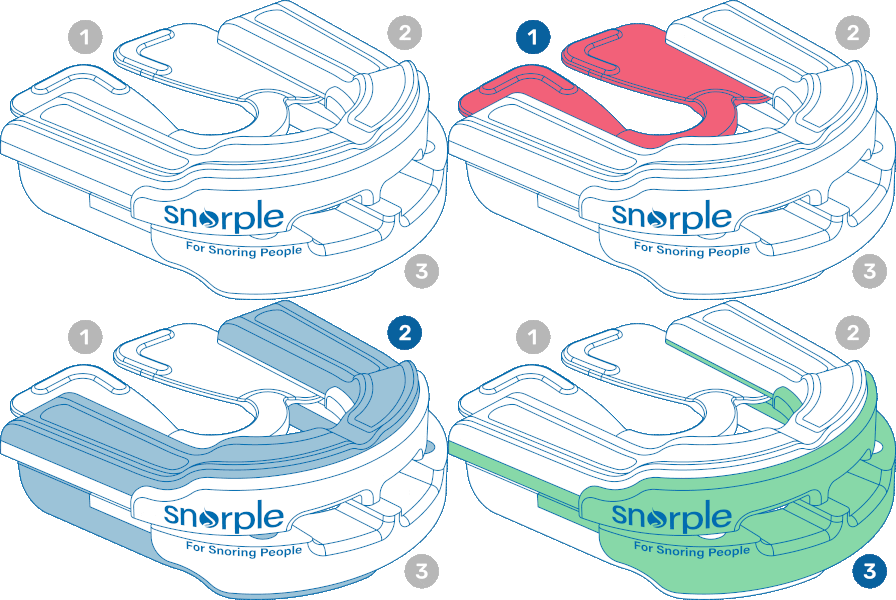
For those with more severe snoring caused by sleep apnea, there are other treatment options available. Continuous Positive Airway Pressure (CPAP) machines, which deliver a constant flow of air through a mask, can help keep the airway open during sleep. There are also oral appliances that can be worn to reposition the jaw and keep the airway open. In some cases, surgery may be recommended to address any structural issues in the airway.
The Importance of Addressing Snoring for Overall Health
While the focus of this blog post is on the hidden dangers of snoring for your heart, it’s important to note that snoring can also have negative impacts on other aspects of your health. Chronic snoring can lead to daytime fatigue, irritability, and difficulty concentrating. It can also strain relationships, as the snorer and their partner may have disrupted sleep patterns.
By addressing snoring and taking steps to reduce or prevent it, you can not only protect your heart health, but also improve your overall quality of life. Not to mention, your partner will thank you for a quieter night’s sleep!
In summary, snoring may seem like a harmless habit, but it can have serious consequences for your heart health. Snoring is often a symptom of underlying issues, such as sleep apnea, and can increase the risk of cardiovascular disease and heart attack. By identifying the cause of snoring and taking steps to reduce or prevent it, you can protect your heart and improve your overall health and well-being.