
Blog Post Title: The Hidden Dangers of Snoring for Your Mouth
Snoring is a common problem that affects millions of people worldwide. While it may seem harmless, there are actually many hidden dangers associated with snoring, particularly for your mouth. In this blog post, we will explore the potential risks and consequences of snoring on your oral health and provide tips on how to address this issue.
The Link Between Snoring and Oral Health
When we think of snoring, we often associate it with a disturbance to our sleep or a nuisance for our partners. However, snoring can have a significant impact on our oral health as well. This is because snoring is often caused by the relaxation of the muscles in the mouth and throat, which can lead to a narrowing of the airway and obstruction of breathing.
One of the most common consequences of snoring on the mouth is dry mouth. As the muscles relax, the tongue and soft tissues in the mouth can block the airway, causing you to breathe through your mouth instead of your nose. This can lead to a lack of saliva production, which is essential for keeping the mouth moist and washing away bacteria. Without enough saliva, bacteria can build up and cause bad breath, tooth decay, and gum disease.
Another danger of snoring is the increased risk of developing sleep apnea. Sleep apnea is a condition where breathing is interrupted during sleep, resulting in a lack of oxygen to the brain and body. This can have serious consequences for your overall health, including an increased risk of heart disease, stroke, and high blood pressure. Snoring is often a warning sign of sleep apnea, and if left untreated, it can have a detrimental effect on your oral health.
Effects of Snoring on Teeth and Gums
Aside from dry mouth and increased risk of sleep apnea, snoring can also have direct effects on your teeth and gums. The constant vibrations and pressure from snoring can cause the teeth to shift and become misaligned. This can lead to bite problems, jaw pain, and even temporomandibular joint disorder (TMJ).
In addition, the loud, repetitive snoring noise can also cause damage to the gums. The vibrations can irritate and inflame the delicate gum tissues, leading to gum recession and gum disease. If left untreated, gum disease can result in tooth loss and other serious health issues.
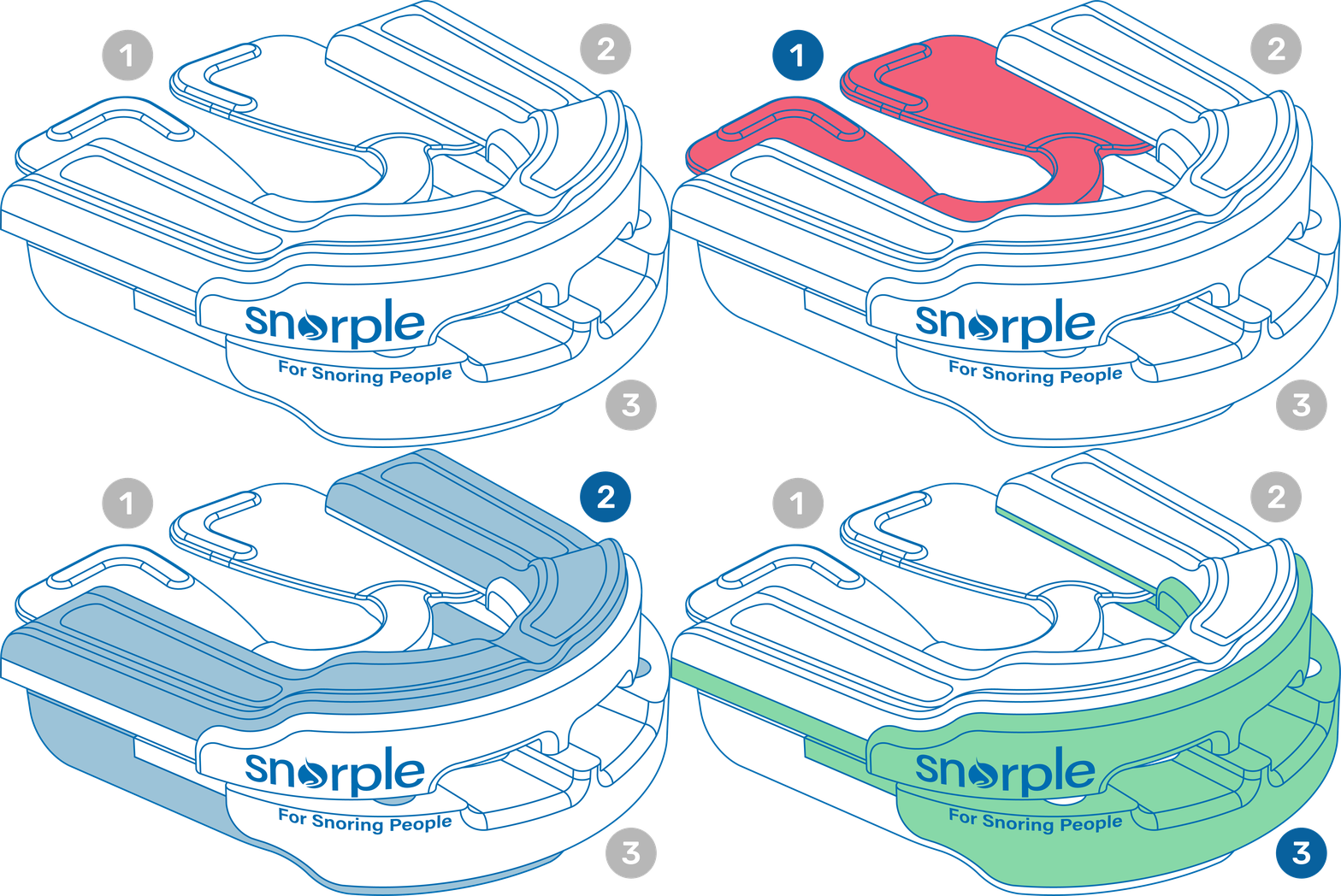
The Hidden Dangers of Snoring for Your Mouth
Snoring can also be a contributing factor to bruxism, or teeth grinding. Studies have shown that people who snore are more likely to grind their teeth, which can result in worn down teeth, jaw pain, and headaches. This grinding can also put additional pressure on the jaw joint, leading to TMJ problems.
Preventing Snoring and Protecting Your Mouth
The good news is that there are steps you can take to prevent snoring and protect your mouth from its harmful effects. The first step is to identify the cause of your snoring. It could be due to allergies, sinus problems, or being overweight. Once you know the cause, you can take the necessary steps to address it. For example, if your snoring is caused by allergies, you can take antihistamines or use a nasal spray to reduce inflammation and improve breathing.
Another way to prevent snoring is to maintain good oral hygiene. Brushing your teeth twice a day, flossing daily, and using mouthwash can help keep bacteria at bay and reduce the risk of dry mouth. You can also try using a humidifier in your bedroom to keep the air moist and prevent dry mouth.
If you suspect that you have sleep apnea, it is crucial to seek medical help. Your doctor may recommend a sleep study to diagnose the condition and prescribe a CPAP machine or other treatments to improve breathing during sleep. This not only helps with snoring but also protects your oral health and overall well-being.
For those who suffer from bruxism, wearing a nightguard can help protect your teeth and jaw from the damage caused by teeth grinding. Your dentist can create a custom-fitted nightguard for you to wear while sleeping, providing a cushion between your upper and lower teeth and reducing the pressure on your jaw joint.
Conclusion
In conclusion, snoring may seem like a minor annoyance, but it can have serious consequences for your oral health. From dry mouth and gum disease to tooth grinding and sleep apnea, snoring can wreak havoc on your mouth and overall well-being. By identifying the cause of your snoring and taking preventive measures, you can protect your mouth and improve your sleep quality.
So, if you or your partner are struggling with snoring, don’t ignore it. Seek help and take steps to address the issue before it leads to more severe health problems. Remember, a healthy mouth leads to a healthier life.