
Blog Post: The Hidden Link Between Snoring and Oral Health
Snoring is a common problem that affects millions of people worldwide. While it may seem like a harmless annoyance, snoring can actually be a sign of a more serious underlying issue – oral health. That’s right, your snoring may be linked to the health of your teeth and mouth. In this blog post, we will explore the hidden link between snoring and oral health and the impact it can have on your overall well-being.
What Causes Snoring?
Before we delve into the connection between snoring and oral health, let’s first understand what causes snoring. Snoring occurs when the airway is partially blocked, causing vibrations in the throat and leading to the loud, hoarse sound we all know too well. This blockage can be caused by various factors, such as:
– Excess weight: People who are overweight or obese tend to have more fatty tissue in their neck, which can put pressure on the airway and cause snoring.
– Alcohol consumption: Alcohol relaxes the muscles in the throat, making it easier for them to collapse and obstruct the airway.
– Sleeping position: Sleeping on your back can cause your tongue to fall back and block your airway, leading to snoring.
– Nasal problems: Chronic nasal congestion or a deviated septum can also contribute to snoring.
While these are some common causes of snoring, research has shown that there is a strong link between snoring and oral health as well.
The Connection Between Snoring and Oral Health
According to a study published in the International Journal of Oral Science, there is a significant association between snoring and periodontal disease. Periodontal disease, also known as gum disease, is a bacterial infection that affects the tissues and bones supporting the teeth. This condition is caused by the buildup of plaque, a sticky film of bacteria, on the teeth and gums.
The study found that people who snore are more likely to have periodontal disease compared to non-snorers. This could be because snoring causes the mouth to become dry, reducing the production of saliva. Saliva is essential for maintaining good oral health as it helps to wash away food particles and neutralize the acids produced by plaque. When there is less saliva in the mouth, it can lead to an increase in plaque buildup, which can eventually cause gum disease.
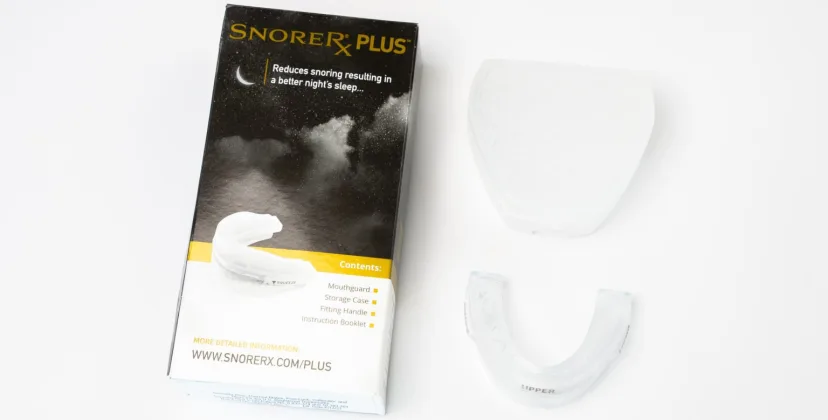
The Hidden Link Between Snoring and Oral Health
Furthermore, people who snore tend to breathe through their mouth rather than their nose. Breathing through the mouth dries out the mouth and reduces the flow of saliva, making it easier for bacteria to thrive and cause gum disease.
Impact of Snoring on Oral Health
Aside from increasing the risk of gum disease, snoring can also have other negative effects on oral health. It can lead to a condition called dry mouth, which is characterized by a lack of saliva production. Dry mouth can cause a range of issues, including bad breath, tooth decay, and difficulty swallowing.
Moreover, snoring can also contribute to teeth grinding or clenching, also known as bruxism. This condition can wear down the teeth and cause jaw pain, headaches, and even tooth loss. The vibrations from snoring can also cause damage to the teeth, leading to cracks and chips.
How to Improve Oral Health and Reduce Snoring
If you are a snorer, there are steps you can take to improve your oral health and reduce snoring. The first step is to maintain good oral hygiene by brushing your teeth twice a day, flossing daily, and visiting your dentist regularly for cleanings and checkups. This will help to prevent or manage any gum disease and keep your mouth healthy.
Additionally, using a mouthwash specifically designed for dry mouth can help to increase saliva production and reduce the risk of gum disease. Breathing through your nose rather than your mouth while sleeping can also help to prevent dry mouth and reduce the vibrations that cause snoring.
If you have a snoring problem, it is essential to address it as it can have a significant impact on your overall health. Consult your doctor or dentist to determine the underlying cause of your snoring and find a suitable treatment plan.
In Summary
Snoring is not just a mere annoyance; it can also be a sign of underlying oral health issues. The link between snoring and oral health is a significant one, with snorers being more prone to gum disease and other oral health problems. Maintaining good oral hygiene, breathing through the nose, and seeking treatment for snoring can help to improve both your oral health and overall well-being.