
Blog Post:
Snoring is a common issue that affects people of all ages. However, as we get older, the frequency and severity of snoring tend to increase. Not only can snoring be disruptive to our own sleep, but it can also affect our partner’s sleep and overall quality of life. In this blog post, we will explore the impact of age on snoring and sleep quality, and how we can address this issue to improve our overall well-being.
As we age, our bodies go through various changes that can contribute to snoring. One of the main factors is the loss of muscle tone in our throat and mouth. This can cause the airway to become narrower, making it more difficult for air to pass through smoothly. Additionally, as we age, our respiratory system becomes less efficient, leading to a higher likelihood of snoring.
Another factor that can contribute to snoring in older adults is weight gain. As we age, our metabolism slows down, and we tend to become less physically active, leading to weight gain. This excess weight can put pressure on the airway, making it more difficult for air to flow freely and causing snoring.
Furthermore, aging can also lead to changes in our sleeping habits. Older adults tend to have more fragmented sleep, meaning they wake up more frequently throughout the night. This can disrupt our natural sleep cycle and cause us to enter a deeper stage of sleep, where snoring is more likely to occur.
The impact of snoring on older adults can go beyond just a nuisance. It can also have serious health consequences. Snoring has been linked to an increased risk of high blood pressure, heart disease, and stroke. This is because snoring can lead to a decrease in oxygen levels in the body, putting a strain on the cardiovascular system. Moreover, snoring can also contribute to daytime fatigue, irritability, and difficulty concentrating, impacting our overall quality of life.
So, what can be done to address snoring and improve sleep quality in older adults? The first step is to identify the underlying cause of snoring. As mentioned earlier, weight gain and changes in muscle tone can be contributing factors, so maintaining a healthy weight and incorporating regular exercise can help. Additionally, quitting smoking and avoiding alcohol before bedtime can also help reduce snoring.
The Impact of Age on Snoring and Sleep Quality
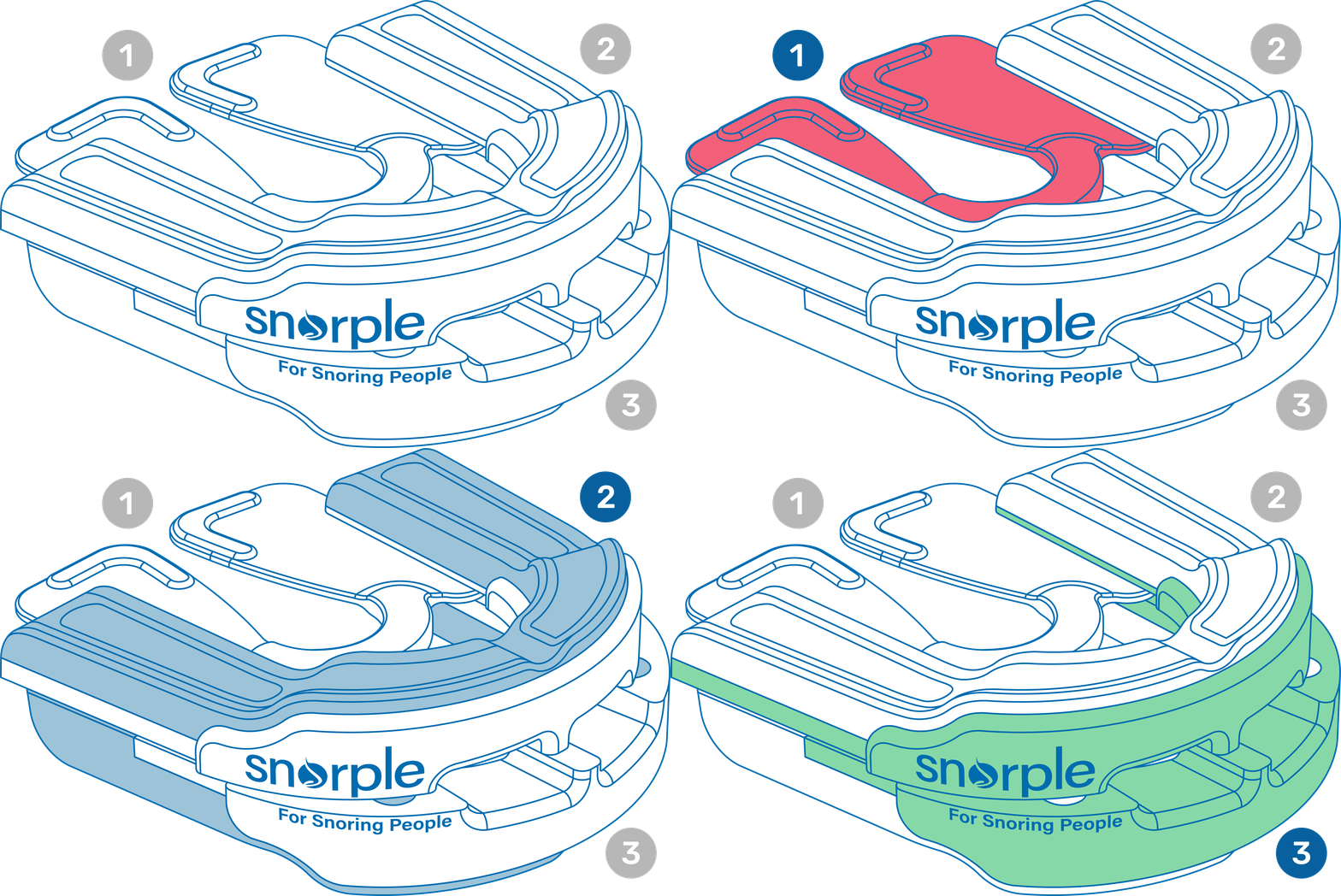
Another effective solution is using a snoring mouthpiece. These devices work by keeping the airway open and preventing the soft tissues from collapsing, reducing or eliminating snoring. They are custom-made to fit your mouth and can be a game-changer for those struggling with snoring and disrupted sleep.
In more severe cases, where snoring is caused by a medical condition such as sleep apnea, a continuous positive airway pressure (CPAP) machine may be recommended. This machine delivers a steady flow of air through a mask worn over the nose or mouth, keeping the airway open and preventing snoring.
Aside from addressing the underlying causes, there are also lifestyle changes that can help improve sleep quality in older adults. Establishing a regular sleep schedule, avoiding caffeine and heavy meals close to bedtime, and creating a comfortable sleep environment can all contribute to a better night’s sleep.
In some cases, surgery may be recommended to correct any structural issues in the airway, such as a deviated septum or enlarged tonsils. However, this is typically a last resort and is only recommended when all other options have been exhausted.
In conclusion, snoring and disrupted sleep can have a significant impact on the quality of life for older adults. As we age, our bodies go through changes that can contribute to snoring, and it is essential to address these issues to improve our overall well-being. By identifying the underlying causes and making lifestyle changes, we can reduce snoring and improve our sleep quality. If necessary, seeking medical treatment such as using a snoring mouthpiece or CPAP machine can also be beneficial. Remember, a good night’s sleep is crucial for our physical and mental health, so don’t hesitate to address any snoring issues you may be experiencing.
Summary:
As we age, our bodies go through changes that can contribute to snoring, such as a decrease in muscle tone, weight gain, and changes in sleeping habits. Snoring can have serious health consequences and impact overall quality of life, so it is essential to address this issue. Solutions include identifying underlying causes, making lifestyle changes, and seeking medical treatment such as using a snoring mouthpiece or CPAP machine. Maintaining a healthy weight, avoiding alcohol and smoking before bedtime, and creating a comfortable sleep environment can also help improve sleep quality in older adults.