
Enlarged tonsils, also known as tonsillar hypertrophy, is a common condition that affects many people, particularly children. This condition occurs when the tonsils, which are small glands located in the back of the throat, become swollen and enlarged. While having enlarged tonsils may not seem like a serious issue, it can actually have a significant impact on overall health and wellbeing. In this blog post, we will explore the various ways in which enlarged tonsils can affect our health and the importance of addressing this condition.
First, it is important to understand the function of the tonsils in the body. The tonsils are part of the immune system and play a vital role in protecting the body from infections. They act as a first line of defense against bacteria and viruses that enter through the mouth and nose. When the tonsils become enlarged, they are at an increased risk of becoming infected, which can lead to recurring tonsillitis and other throat infections.
One of the most common symptoms of enlarged tonsils is difficulty breathing, particularly during sleep. This is because the enlarged tonsils can obstruct the airway, making it harder for air to pass through. This can result in sleep apnea, a condition where a person stops breathing for short periods during sleep. Sleep apnea not only leads to poor quality of sleep but can also have serious health consequences such as high blood pressure, heart disease, and stroke.
Apart from affecting breathing, enlarged tonsils can also have an impact on speech and communication. The enlarged glands can cause a muffled or hoarse voice, making it difficult for a person to speak clearly. This can lead to communication problems and even affect a person’s confidence and self-esteem.
Enlarged tonsils can also have a negative impact on a person’s overall physical health. Constant throat infections and inflammation can lead to recurrent fevers, fatigue, and loss of appetite. This can result in a weakened immune system, making a person more susceptible to other illnesses.
Moreover, enlarged tonsils can also affect a person’s mental health. As mentioned earlier, sleep apnea caused by enlarged tonsils can result in poor quality of sleep, leading to daytime fatigue and irritability. This can have a significant impact on a person’s mood and mental wellbeing. Furthermore, the discomfort and pain caused by enlarged tonsils can also lead to anxiety and stress, especially in children.
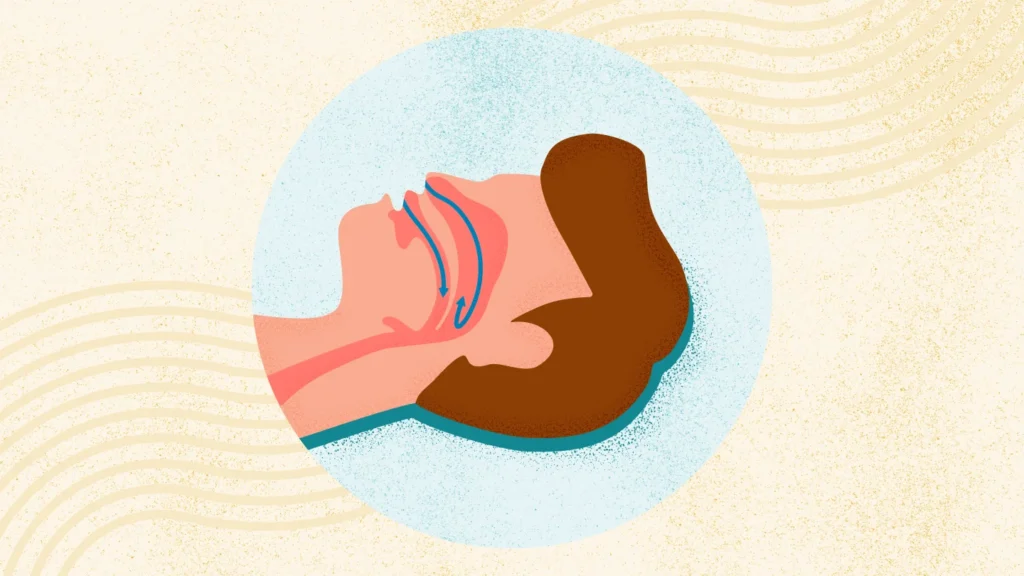
The Impact of Enlarged Tonsils on Overall Health and Wellbeing
The impact of enlarged tonsils on overall health and wellbeing can also extend to a person’s social life. Children with enlarged tonsils may experience difficulty in concentrating at school and may miss out on important social activities due to frequent throat infections. It can also affect adults in their work and personal relationships due to the physical and mental symptoms associated with this condition.
So, what can be done to address enlarged tonsils and improve overall health and wellbeing? In some cases, the symptoms of enlarged tonsils can be managed with medication and home remedies. However, if the condition is severe and affecting daily life, a tonsillectomy may be recommended. A tonsillectomy is a surgical procedure to remove the tonsils and is usually done as an outpatient procedure.
While the thought of surgery may seem daunting, a tonsillectomy can have significant benefits for those with enlarged tonsils. It can improve breathing, reduce the risk of sleep apnea, and prevent recurrent throat infections. This, in turn, can lead to better quality of sleep, improved physical and mental health, and a better overall quality of life.
In conclusion, enlarged tonsils may be a common condition, but it can have a significant impact on a person’s health and wellbeing. It is essential to address this condition and seek medical advice if symptoms persist. A tonsillectomy may be recommended in severe cases, but it can have many benefits and improve overall health and wellbeing. Take care of your tonsils, and your body will thank you.
Summary:
Enlarged tonsils, also known as tonsillar hypertrophy, can have a significant impact on overall health and wellbeing. This condition can lead to recurring infections, difficulty breathing, sleep apnea, speech and communication problems, weakened immune system, and even affect mental health. In severe cases, a tonsillectomy may be recommended to improve breathing, prevent infections, and improve overall quality of life. It is important to seek medical advice if symptoms persist to ensure proper treatment.