
Blog Post:
Menopause is a natural and inevitable part of a woman’s life that marks the end of her reproductive years. While it can bring about a sense of freedom from monthly periods and the possibility of pregnancy, it also comes with a host of physical and emotional changes. One of the most common symptoms of menopause is snoring. While snoring may seem like a minor inconvenience, it can actually have a significant impact on a woman’s mental health. In this blog post, we will explore the connection between menopausal snoring and mental health, as well as provide tips for finding relief.
The Impact of Menopausal Snoring on Mental Health:
1. Disrupted Sleep: Menopausal women often experience hot flashes, night sweats, and other physical discomforts that can disrupt their sleep. On top of that, snoring can also interfere with their sleep, leaving them feeling tired and irritable during the day. This lack of quality sleep can lead to mood swings, irritability, and difficulty concentrating, all of which can significantly impact mental health.
2. Increased Risk of Anxiety and Depression: The physical changes and discomforts associated with menopause can already cause feelings of anxiety and depression. However, when snoring is added to the mix, it can worsen these conditions. The lack of quality sleep and the constant feeling of exhaustion can make it challenging to cope with daily stresses, leading to an increased risk of developing anxiety and depression.
3. Strained Relationships: Snoring can also have a severe impact on relationships. The loud and disruptive sounds can keep a partner awake, leading to resentment and frustration. This strain on the relationship can cause feelings of guilt and shame for the menopausal woman, further impacting her mental health.
4. Social Isolation: Menopausal women who snore may avoid social situations, such as sleepovers or sharing a room with friends, out of fear of disturbing others. This can lead to feelings of isolation and loneliness, which can negatively impact mental health.
Finding Relief from Menopausal Snoring:
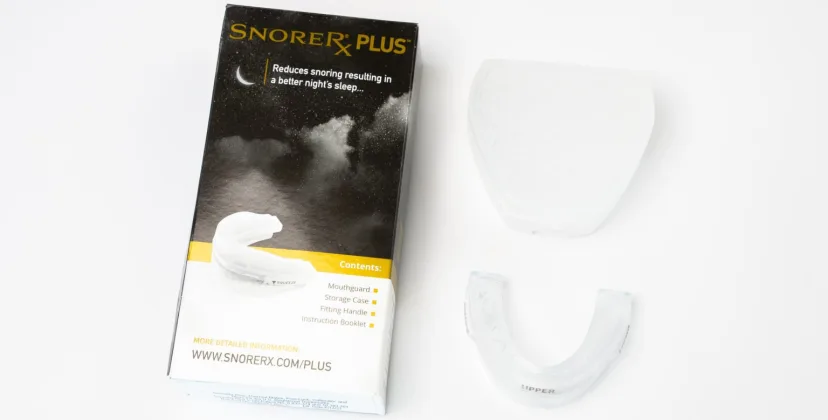
The Impact of Menopausal Snoring on Your Mental Health and How to Find Relief
1. Consult with a Doctor: The first step in finding relief from menopausal snoring is to consult with a doctor. They can help determine the underlying cause of the snoring and provide appropriate treatment options. This could include lifestyle changes, medication, or the use of a CPAP (continuous positive airway pressure) machine.
2. Maintain a Healthy Lifestyle: Maintaining a healthy lifestyle can help reduce the severity of menopausal symptoms, including snoring. This includes eating a balanced diet, exercising regularly, and managing stress levels. These healthy habits can also improve overall sleep quality, leading to better mental health.
3. Use Nasal Strips: Nasal strips can help open up the nasal passages and improve airflow, reducing snoring. They are an easy and non-invasive solution for menopausal women who snore.
4. Try Relaxation Techniques: Stress and anxiety can worsen snoring, so incorporating relaxation techniques such as deep breathing, meditation, or yoga into your daily routine can help reduce snoring and improve sleep quality.
5. Elevate Your Head: Elevating your head while sleeping can help keep the airways open and reduce snoring. This can be achieved by using an extra pillow or investing in a wedge pillow specifically designed for snoring.
6. Consider Hormone Replacement Therapy: Hormone replacement therapy can help alleviate menopausal symptoms, including snoring. It works by replacing the hormones that naturally decrease during menopause, which can improve sleep quality and reduce snoring.
In summary, menopausal snoring can have a significant impact on a woman’s mental health. It can disrupt sleep, increase the risk of anxiety and depression, strain relationships, and cause social isolation. However, there are several ways to find relief from menopausal snoring, including consulting with a doctor, maintaining a healthy lifestyle, using nasal strips, trying relaxation techniques, elevating your head while sleeping, and considering hormone replacement therapy.
In conclusion, menopausal snoring is a common symptom of menopause that can have a profound impact on a woman’s mental health. By understanding the connection between menopausal snoring and mental health and implementing the tips mentioned above, women can find relief and improve their overall well-being during this transitional phase of their lives.