
Summary:
Sleep apnea is a common sleep disorder that affects millions of people worldwide. It is characterized by pauses in breathing or shallow breaths during sleep, leading to disrupted sleep patterns and potential health complications. While the condition primarily affects the respiratory system, it also has a significant impact on the nasal passages. In this blog post, we will discuss the various ways in which sleep apnea can affect the nasal passages and how clearing the airway can improve breathing and overall health. We will also explore the different treatment options available for sleep apnea and the importance of seeking professional help for this condition.
The Impact of Sleep Apnea on Nasal Passages:
The nasal passages play a crucial role in our respiratory system, as they are responsible for filtering, warming, and moisturizing the air we breathe. However, in people with sleep apnea, these passages can become obstructed, leading to a variety of problems.
1. Nasal Congestion:
One of the most common symptoms of sleep apnea is nasal congestion. This occurs when the tissues in the nasal passages become swollen, making it difficult for air to pass through. This congestion can worsen during sleep, leading to snoring and pauses in breathing, which are characteristic of sleep apnea. Nasal congestion can also cause discomfort and difficulty breathing through the nose, which can affect the quality of sleep and overall well-being.
2. Mouth Breathing:
When the nasal passages are congested, people with sleep apnea tend to breathe through their mouths. This can lead to dryness in the mouth and throat, making it challenging to swallow or talk in the morning. Mouth breathing can also increase the risk of developing oral health problems, such as gum disease, cavities, and bad breath.
3. Nasal Obstruction:
In some cases, sleep apnea can cause the nasal passages to become obstructed, making it difficult to breathe through the nose entirely. This can lead to a decrease in oxygen levels and an increase in carbon dioxide levels in the body, which can negatively impact overall health. Nasal obstruction can also cause a feeling of pressure or pain in the sinuses and affect the sense of smell.
4. Nasal Polyps:
Nasal polyps are small, non-cancerous growths that can develop in the nasal passages, causing obstruction and difficulty breathing. People with sleep apnea are at a higher risk of developing nasal polyps due to the constant inflammation in the nasal passages. These growths can also increase the severity of sleep apnea and make it more challenging to manage.
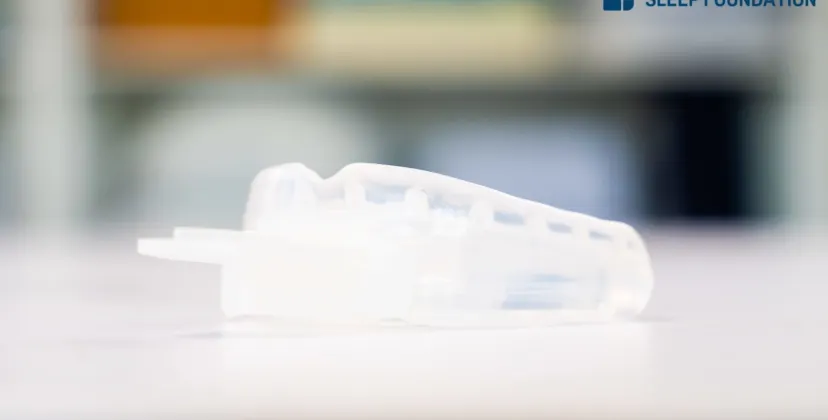
The Impact of Sleep Apnea on Nasal Passages: Clearing the Way for Better Breathing
Clearing the Way for Better Breathing:
The good news is that there are various ways to clear the nasal passages and improve breathing for people with sleep apnea. Here are some effective methods to consider:
1. Nasal Sprays:
Nasal sprays containing decongestants can help reduce swelling and open up the nasal passages, making it easier to breathe. However, these sprays should not be used for more than a few days in a row, as they can cause rebound congestion and worsen the problem.
2. Nasal Irrigation:
Nasal irrigation involves flushing out the nasal passages with a saline solution. This can help remove any mucus or irritants, reduce inflammation, and improve breathing. Nasal irrigation can be done using a neti pot or a nasal irrigation bottle.
3. Nasal Dilators:
Nasal dilators are small devices that are placed inside the nostrils to keep them open and improve airflow. They can be used while sleeping and are a non-invasive way to clear the nasal passages and reduce snoring.
4. CPAP Therapy:
Continuous Positive Airway Pressure (CPAP) therapy is the most common treatment for sleep apnea. It involves wearing a mask connected to a machine that delivers constant air pressure to keep the airway open during sleep. CPAP therapy can significantly improve breathing and reduce the risk of health complications associated with sleep apnea.
Seeking Professional Help:
While the above methods can provide temporary relief, it is essential to seek professional help for sleep apnea. A sleep specialist can diagnose and determine the severity of the condition and recommend the most suitable treatment plan. They may also suggest lifestyle changes, such as losing weight, quitting smoking, and avoiding alcohol, to improve sleep and overall health.
In conclusion, sleep apnea can have a significant impact on the nasal passages, leading to various breathing problems and potential health complications. However, by understanding the effects of the condition on the nasal passages and taking steps to clear the airway, people with sleep apnea can improve their breathing and overall well-being. Seeking professional help and following a treatment plan is crucial in managing sleep apnea and improving overall health.