
Sleep apnea is a common sleep disorder that affects millions of people worldwide. It is characterized by pauses in breathing or shallow breathing during sleep, which can lead to snoring and other health issues. One of the most significant impacts of sleep apnea is its relationship with snoring and acid reflux. In this blog post, we will explore the connection between sleep apnea, snoring, and acid reflux, and how this sleep disorder can affect one’s overall health and well-being.
The Link Between Sleep Apnea and Snoring
Snoring is a common symptom of sleep apnea. When a person has sleep apnea, their airway becomes obstructed during sleep, causing them to struggle for breath. This obstruction can result in loud and disruptive snoring. The snoring sound is caused by the vibration of the throat tissues as air passes through the narrowed airway.
Not only can snoring be a nuisance to the person sleeping next to the snorer, but it can also be a sign of a more serious health issue. Chronic snoring can lead to daytime fatigue, irritability, and difficulty concentrating, which can significantly impact a person’s quality of life.
The Relationship Between Sleep Apnea and Acid Reflux
Acid reflux, also known as gastroesophageal reflux disease (GERD), is a condition where stomach acid flows back up into the esophagus, causing heartburn and discomfort. Studies have shown that there is a strong correlation between sleep apnea and acid reflux. In fact, research suggests that people with sleep apnea are three times more likely to experience acid reflux compared to those without the sleep disorder.
One of the main reasons for this link is that sleep apnea can cause changes in the upper airway, leading to acid reflux. When a person has sleep apnea, the muscles in their upper airway relax, causing the airway to narrow. This narrowing can increase the pressure in the chest, causing stomach acid to flow back up into the esophagus.
The Impact of Sleep Apnea on Snoring and Acid Reflux
The Impact of Sleep Apnea on Snoring and Acid Reflux
The relationship between sleep apnea, snoring, and acid reflux can have a significant impact on one’s overall health and well-being. The constant interruptions in breathing during sleep can result in daytime fatigue and fatigue, making it challenging to carry out daily tasks and activities.
Moreover, chronic snoring can also lead to sleep disruptions for both the snorer and their partner, causing a strain on their relationship. Snoring can also lead to sleep deprivation for the snorer, which can affect their mood, cognitive function, and overall health.
As for acid reflux, the constant exposure to stomach acid can damage the lining of the esophagus, leading to inflammation and discomfort. If left untreated, acid reflux can also contribute to more severe health problems such as ulcers, esophageal cancer, and respiratory issues.
Treatment Options for Sleep Apnea, Snoring, and Acid Reflux
Fortunately, there are various treatment options available for sleep apnea, snoring, and acid reflux. The most common treatment for sleep apnea is continuous positive airway pressure (CPAP) therapy, where a machine delivers pressurized air through a mask to keep the airway open during sleep. This treatment not only helps with sleep apnea but can also reduce snoring and decrease acid reflux symptoms.
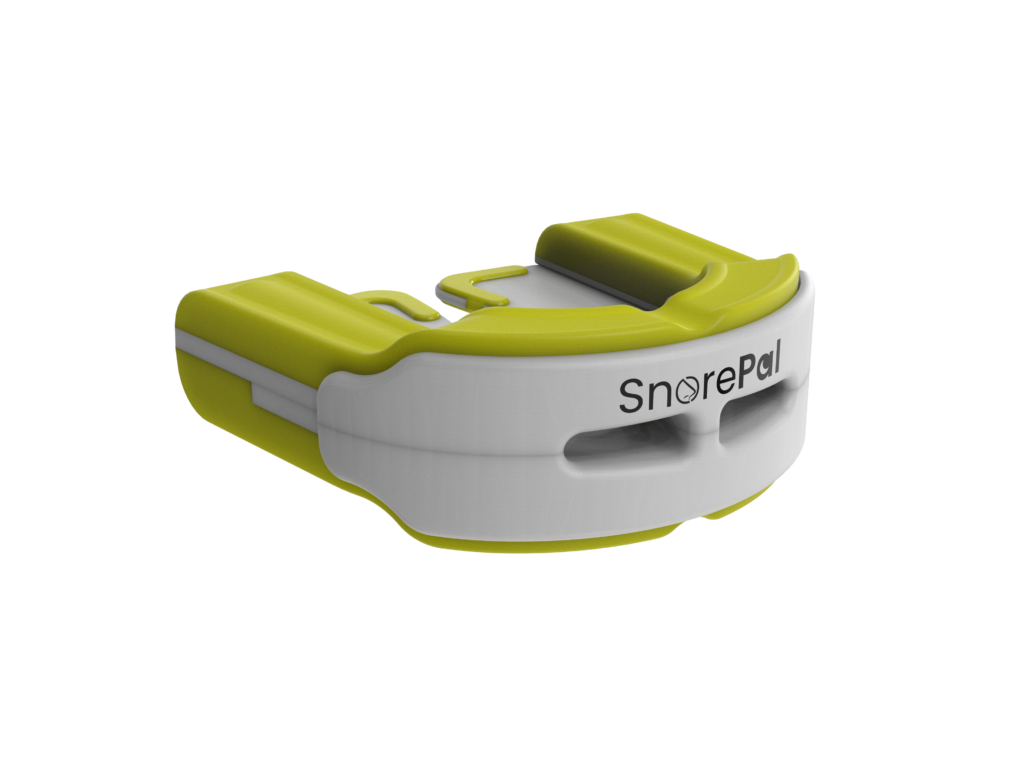
Other treatment options for sleep apnea include oral appliances, surgery, and lifestyle changes such as weight loss and quitting smoking. For acid reflux, doctors may recommend dietary changes, medication, and surgery in severe cases.
Summarizing The Impact of Sleep Apnea on Snoring and Acid Reflux
Sleep apnea is a common sleep disorder that can lead to snoring and acid reflux. The obstruction of the upper airway during sleep can cause snoring, while the changes in the airway can contribute to acid reflux. These conditions can have a significant impact on one’s overall health and well-being, causing daytime fatigue, irritability, and even more severe health problems if left untreated. However, with proper treatment and lifestyle changes, the symptoms of sleep apnea, snoring, and acid reflux can be managed, leading to better sleep and improved quality of life.