
Blog Post: The Impact of Snoring on Childhood Development
When we think about snoring, we often associate it with adults and the annoyance it causes for their sleeping partners. However, snoring can also have a significant impact on the development of children. It is estimated that about 10% of children snore regularly, and this number increases to 20% in children with allergies or asthma. In this blog post, we will explore the various ways in which snoring can affect a child’s development and why it is crucial to address this issue.
1. Sleep Disruption
One of the most obvious impacts of snoring on children is sleep disruption. Snoring can cause children to wake up multiple times throughout the night, leading to a decrease in the quality of sleep they get. This can result in them feeling tired and cranky during the day, affecting their behavior and mood. Sleep disruption can also lead to difficulties in concentrating and learning, which can affect academic performance.
2. Delayed Growth and Development
Good quality sleep is essential for a child’s growth and development. When children don’t get enough restful sleep due to snoring, it can lead to delayed physical and cognitive development. This is because the body produces growth hormones during the deep sleep phase, and constant sleep interruption can disrupt this process. In addition, snoring can affect the child’s brain development, leading to learning and behavioral problems.
3. Behavioral Issues
As mentioned earlier, snoring can cause sleep disruption, which can lead to behavioral issues. Children who don’t get enough sleep are more likely to be irritable, moody, and have difficulty regulating their emotions. This can result in behavioral problems such as hyperactivity, aggression, and difficulty following rules. Snoring has also been linked to an increased risk of attention deficit hyperactivity disorder (ADHD) in children.
4. Cardiovascular Problems
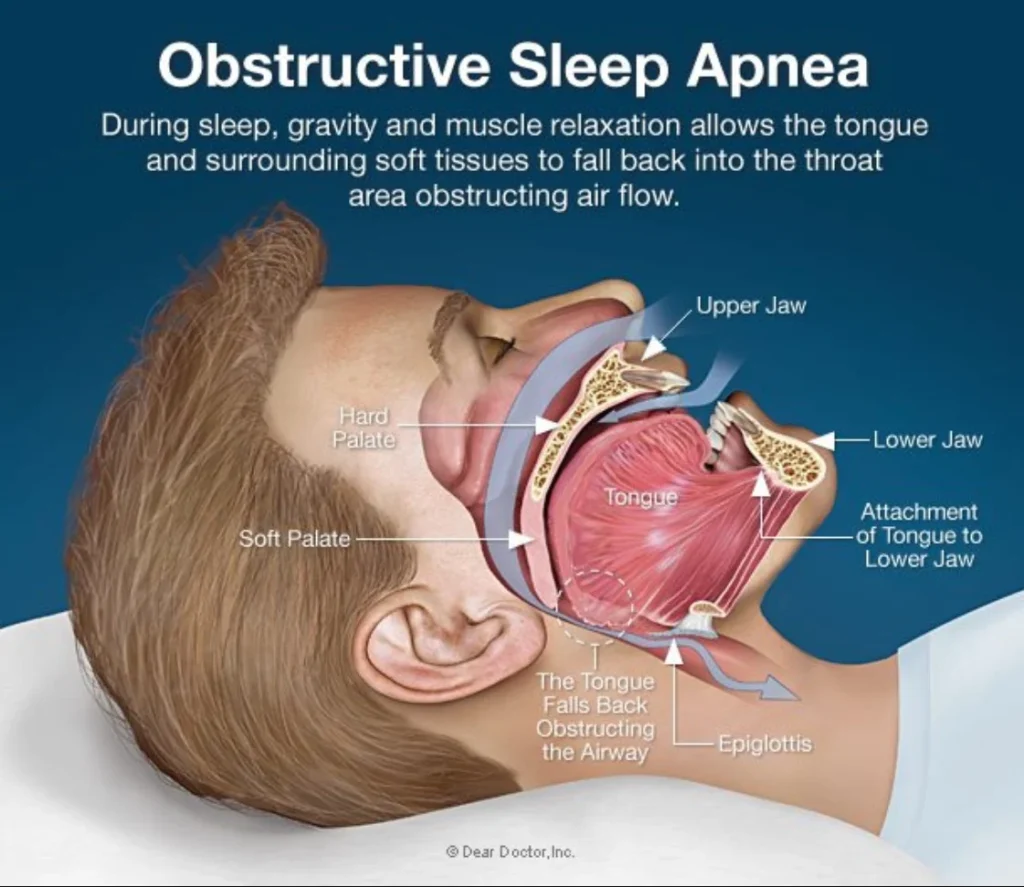
Snoring is a symptom of obstructive sleep apnea (OSA), a condition where the airway becomes partially or completely blocked during sleep, causing breathing disruptions. OSA can lead to a decrease in oxygen levels in the blood, which can put a strain on the heart. Over time, this can increase the risk of cardiovascular problems such as high blood pressure, heart disease, and stroke in children.
5. Speech and Language Delays
The Impact of Snoring on Childhood Development
Sleep is vital for language and speech development in children. When children don’t get enough restful sleep due to snoring, it can affect their ability to process and retain new information. This can lead to delays in speech and language development, affecting their ability to communicate effectively. Children who snore may also have difficulty with articulation and pronouncing certain sounds.
6. Poor School Performance
The impact of snoring on a child’s development can also extend to their academic performance. As mentioned earlier, snoring can lead to sleep disruption, which can cause difficulties in learning and concentration. This can result in poor school performance, as children may struggle to stay focused and retain information. In addition, snoring can affect a child’s memory and ability to process information, making it challenging to keep up with their peers in class.
7. Emotional and Social Difficulties
Snoring can also have an impact on a child’s emotional and social well-being. Children who don’t get enough restful sleep may feel tired and overwhelmed, affecting their ability to interact with others. They may also experience feelings of isolation and low self-esteem, especially if their snoring is causing disruption during sleepovers or school trips. This can lead to difficulties in forming and maintaining relationships with peers.
8. Increased Risk of Obesity
Studies have shown a link between snoring and obesity in children. This is because sleep disruption can affect the hormones that regulate appetite, leading to an increase in food intake and a decrease in physical activity. Over time, this can contribute to weight gain and an increased risk of obesity. Obesity can further exacerbate snoring, creating a vicious cycle that can affect a child’s overall health and well-being.
9. Dental Problems
Children who snore may also be at risk for developing dental problems. The constant breathing through the mouth during sleep can cause dryness, leading to an increase in bacteria and plaque buildup. This can result in tooth decay, gum disease, and other oral health issues. It is essential to address snoring in children to prevent these potential dental problems.
In conclusion, snoring can have a significant impact on a child’s development. From sleep disruption to delays in growth and development, snoring can affect a child’s physical, emotional, and social well-being. It is crucial to identify the underlying cause of snoring in children and address it to ensure they get the restful sleep they need for healthy development.
Summary:
Snoring is not just a problem for adults; it can also have a significant impact on a child’s development. It can lead to sleep disruption, delayed growth and development, behavioral issues, cardiovascular problems, speech and language delays, and poor school performance. Snoring can also affect a child’s emotional and social well-being, increase the risk of obesity, and cause dental problems. It is crucial to address snoring in children to ensure they get the restful sleep they need for healthy development.