
Blog post:
Snoring is a common problem that affects millions of people worldwide. While it may seem like a harmless habit, snoring can actually have a significant impact on an athlete’s mental toughness. Athletes need to be mentally strong in order to perform at their best, and snoring can undermine this mental toughness in several ways.
Firstly, snoring can lead to poor sleep quality, which is essential for athletes to recover and perform at their peak. When a person snores, it disrupts their sleep and can lead to fragmented sleep patterns. This means that even if an athlete spends the recommended number of hours in bed, they may not be getting the restorative rest they need. As a result, they may wake up feeling fatigued, irritable, and less mentally resilient.
Moreover, snoring can also affect an athlete’s training and performance. Sleep is crucial for muscle recovery and growth, and poor sleep quality due to snoring can hinder this process. It can also affect an athlete’s focus, concentration, and reaction time, making it harder for them to perform at their best. This can be especially detrimental for athletes who compete in endurance sports, where mental and physical stamina are key.
Snoring can also impact an athlete’s mental toughness by causing daytime sleepiness and fatigue. This can lead to a lack of motivation and drive, making it harder for athletes to push through challenging training sessions or competitions. It can also affect an athlete’s mood, leading to irritability, mood swings, and even depression, which can further undermine their mental toughness.
But why do athletes snore more than the average person? There are a few reasons for this. Firstly, athletes tend to have larger neck and throat muscles, which can narrow the airway and cause snoring. Additionally, strenuous exercise can also lead to inflammation and swelling in the airway, making snoring more likely. Finally, many athletes also have poor sleep habits, such as irregular sleep schedules or using electronic devices before bed, which can contribute to snoring.
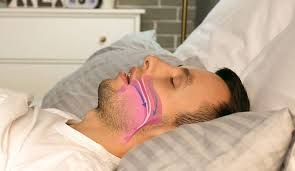
The Impact of Snoring on Mental Toughness for Athletes
So, what can athletes do to combat snoring and its impact on their mental toughness? The first step is to identify the root cause of the snoring. This may require consulting a doctor, undergoing a sleep study, or making lifestyle changes such as losing weight or quitting smoking. Treating underlying medical conditions such as allergies or sleep apnea can also help alleviate snoring.
In addition, there are several practical steps athletes can take to reduce snoring and improve their sleep quality. These include sleeping on their side instead of their back, using a humidifier to keep the air moist, and avoiding alcohol and heavy meals before bed. They can also try using nasal strips or a mouthguard specifically designed to reduce snoring.
Furthermore, implementing good sleep hygiene practices can also help athletes improve their sleep quality and mental toughness. This includes maintaining a regular sleep schedule, creating a relaxing bedtime routine, and keeping the bedroom cool, dark, and quiet. Getting enough exercise during the day can also help promote better sleep at night.
In addition to these practical measures, athletes can also work on improving their mental toughness through various techniques, such as visualization, positive self-talk, and mindfulness. By training their minds to stay focused and resilient, athletes can better cope with the effects of snoring on their mental state.
In conclusion, snoring may seem like a minor annoyance, but it can have a significant impact on an athlete’s mental toughness. Poor sleep quality, daytime fatigue, and other effects of snoring can hinder an athlete’s performance and undermine their mental resilience. By identifying and addressing the root cause of snoring and implementing good sleep habits, athletes can improve their sleep quality and mental toughness, leading to better overall performance.
Summary:
Snoring can have a significant impact on an athlete’s mental toughness by disrupting their sleep, hindering muscle recovery and growth, causing daytime fatigue and mood changes, and affecting their training and performance. Athletes can combat snoring by identifying its root cause and implementing practical measures such as sleeping on their side and maintaining good sleep hygiene. They can also work on improving their mental toughness through techniques like visualization and mindfulness.