
Snoring is a common problem that affects many people, but its impact on pregnancy and fetal health is often overlooked. However, studies have shown that snoring during pregnancy can have serious consequences for both the mother and the baby. In this blog post, we will explore the causes of snoring during pregnancy, its effects on both the mother and the baby, and what measures can be taken to address this issue.
Causes of Snoring During Pregnancy:
Pregnancy is a time of significant physical and hormonal changes in a woman’s body. These changes can lead to snoring due to various factors such as weight gain, increased blood volume, and hormonal fluctuations. As the baby grows, the uterus puts pressure on the diaphragm and lungs, making it difficult for the mother to breathe properly. This can lead to snoring, especially in the later stages of pregnancy.
Effects on the Mother:
Snoring during pregnancy can have several negative effects on the mother’s health. The most common issue is disrupted sleep, which can lead to fatigue, irritability, and difficulty concentrating during the day. Snoring can also increase the risk of developing sleep apnea, a condition where breathing stops and starts repeatedly during sleep. This can have serious consequences for the mother’s overall health, as sleep apnea has been linked to high blood pressure, heart disease, and other health issues.
Effects on the Baby:
Snoring during pregnancy can also have an impact on the developing baby. Studies have shown that pregnant women who snore are more likely to have babies with low birth weight. This is because snoring can lead to decreased oxygen levels in the mother’s body, which can affect the amount of oxygen that reaches the baby. In severe cases, snoring during pregnancy has been linked to an increased risk of preterm birth and even stillbirth.
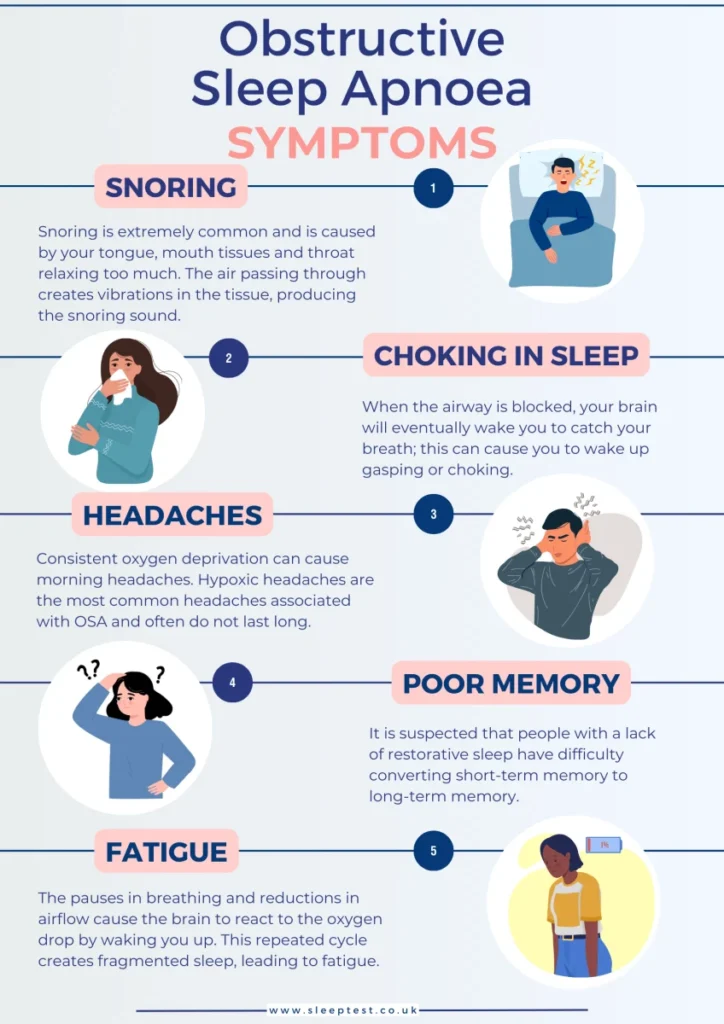
The Impact of Snoring on Pregnancy and Fetal Health
What Can be Done:
If you are pregnant and experiencing snoring, there are several steps you can take to help reduce its impact on your health and your baby’s health. The first and most important step is to consult with your doctor. They can assess your snoring and determine if there are any underlying issues that need to be addressed. In some cases, they may recommend a sleep study to diagnose sleep apnea or other sleep-related disorders.
In addition to seeking medical advice, there are some lifestyle changes you can make to help reduce snoring during pregnancy. These include maintaining a healthy weight, sleeping on your side instead of your back, and using a pregnancy pillow for support. It is also essential to avoid smoking, as it can exacerbate snoring and cause harm to the baby.
In some cases, your doctor may recommend using a continuous positive airway pressure (CPAP) machine, which delivers a steady stream of air to keep your airway open while you sleep. This can help improve your breathing and reduce snoring. However, it is crucial to consult with your doctor before using a CPAP machine during pregnancy, as it may not be suitable for all women.
Summary:
Snoring during pregnancy is a common issue that can have serious consequences for both the mother and the baby. It is caused by physical and hormonal changes in the body and can lead to disrupted sleep, sleep apnea, and low birth weight in babies. Fortunately, there are steps that can be taken to address this issue, such as consulting with a doctor, making lifestyle changes, and potentially using a CPAP machine. It is essential to seek medical advice and take proactive measures to reduce the impact of snoring on pregnancy and fetal health.