
The Impact of Snoring on Reaction Time in Contact Sports
Snoring is a common issue that affects millions of people worldwide. While it may seem like a harmless habit, snoring can actually have a significant impact on one’s reaction time, especially in contact sports. In this blog post, we will explore the connection between snoring and reaction time in contact sports and how it can affect an athlete’s performance and overall well-being.
Snoring is a common symptom of sleep-disordered breathing, which includes conditions such as obstructive sleep apnea (OSA) and upper airway resistance syndrome (UARS). These conditions cause interruptions in breathing during sleep, leading to snoring and fragmented sleep patterns. As a result, individuals with sleep-disordered breathing often experience daytime sleepiness, fatigue, and poor concentration.
In contact sports, where quick reflexes and split-second decision-making are crucial, having a slower reaction time can significantly impact an athlete’s performance. Studies have shown that individuals with sleep-disordered breathing have significantly slower reaction times compared to those without the condition. This can be attributed to the disrupted sleep patterns and decreased oxygen levels during sleep, which affect brain function and cognitive abilities.
Moreover, snoring can also affect an athlete’s physical performance. The interrupted breathing during sleep can lead to a decrease in oxygen levels and an increase in carbon dioxide levels in the body. This can cause fatigue, decreased endurance, and decreased muscle strength, all of which are essential for contact sports. As a result, athletes with sleep-disordered breathing may experience a decline in their overall athletic performance and may be more prone to injuries.
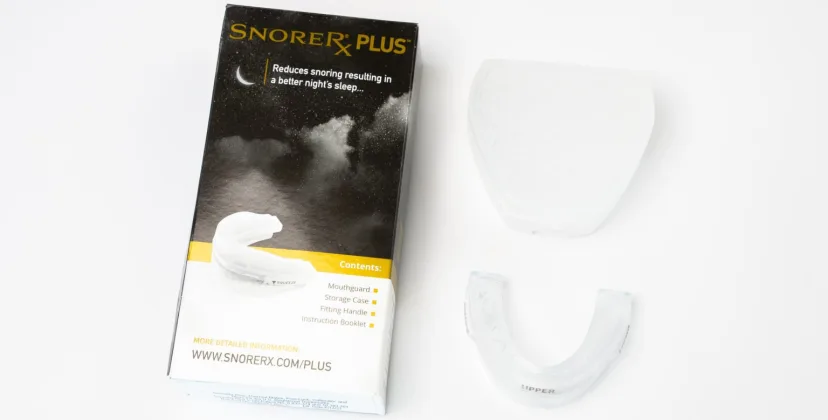
The Impact of Snoring on Reaction Time in Contact Sports
Aside from the physical effects, snoring can also lead to psychological impacts on athletes. The disrupted sleep and daytime sleepiness can affect an athlete’s mood, leading to irritability, mood swings, and decreased motivation. This can have a significant impact on an athlete’s mental well-being, affecting their overall performance and enjoyment of the sport.
Furthermore, snoring can also be a barrier to proper recovery and rest for athletes. Quality sleep is crucial for muscle repair and growth, which is essential for athletes who engage in intense physical activity. The disrupted sleep patterns caused by snoring can interfere with the body’s ability to repair and recover, leading to delayed recovery times and increased risk of injuries.
So, what can be done to improve reaction time and overall performance in contact sports for individuals with sleep-disordered breathing? The first step is to seek proper diagnosis and treatment. If you suspect that you or someone you know may have sleep-disordered breathing, it is essential to consult a doctor for a proper evaluation. Treatment options may include lifestyle changes, such as weight loss and quitting smoking, or the use of a continuous positive airway pressure (CPAP) machine to keep the airway open during sleep.
In addition to seeking treatment, athletes can also take steps to improve their sleep hygiene. This includes establishing a regular sleep schedule, creating a comfortable sleep environment, and avoiding stimulating activities before bedtime. Staying well-hydrated and avoiding alcohol and heavy meals close to bedtime can also help improve sleep quality.
In conclusion, snoring may seem like a minor inconvenience, but its impact on reaction time and overall performance in contact sports should not be overlooked. Sleep-disordered breathing can significantly affect an athlete’s physical, mental, and emotional well-being, and it is essential to address this issue for optimal athletic performance. Seeking proper diagnosis and treatment, as well as practicing good sleep hygiene, can help athletes with snoring or sleep-disordered breathing improve their reaction time and overall performance in contact sports.
In summary, snoring can have a significant impact on an athlete’s reaction time and performance in contact sports. Sleep-disordered breathing, which is often the cause of snoring, can lead to disrupted sleep patterns, decreased oxygen levels, and decreased physical and cognitive abilities. This can affect an athlete’s performance, physical and mental well-being, and recovery. Seeking proper treatment and practicing good sleep hygiene can help improve reaction time and overall performance in contact sports for individuals with snoring or sleep-disordered breathing.