
Blog Post:
Sleep disorders are a common problem that affects millions of people worldwide. From insomnia to sleep apnea, these disorders can have a significant impact on an individual’s physical and mental health. While there are various treatment options available, one aspect that is often overlooked is the importance of routine in managing sleep disorders. In this blog post, we will explore the role of routine in managing sleep disorders and why it is essential for a good night’s rest.
What is Routine and Why is it Important?
Routine refers to a set of activities or habits that are performed regularly and in a specific order. It is a way of organizing our daily lives and helps us stay focused and on track. A routine can include various activities such as waking up at a specific time, exercising, eating meals, and going to bed at a consistent time. For individuals with sleep disorders, establishing a routine can be a game-changer in managing their condition.
The Connection between Routine and Sleep Disorders
Sleep disorders can disrupt an individual’s sleep-wake cycle, making it challenging to fall asleep or stay asleep. This disruption can be caused by external factors such as stress, work schedule, or internal factors like medical conditions, medications, or mental health issues. By establishing a routine, individuals can regulate their sleep-wake cycle, making it easier to fall asleep and stay asleep.
Establishing a consistent bedtime routine can also signal the body to start winding down and prepare for sleep. This can include activities such as taking a warm bath, reading a book, or listening to calming music. By following the same routine every night, the body learns to associate these activities with sleep, making it easier to fall asleep.
The Benefits of Routine in Managing Sleep Disorders
1. Improved Sleep Quality
Establishing a routine can significantly improve sleep quality for individuals with sleep disorders. By following a consistent schedule, the body learns to anticipate sleep, resulting in a more restful night’s rest. This can also help reduce the number of awakenings during the night, leading to a more uninterrupted sleep.
2. Reduced Stress and Anxiety
Stress and anxiety can contribute to sleep disorders, making it difficult for individuals to fall asleep and stay asleep. By incorporating relaxation techniques such as deep breathing or meditation into a bedtime routine, individuals can reduce stress and anxiety levels, promoting better sleep.
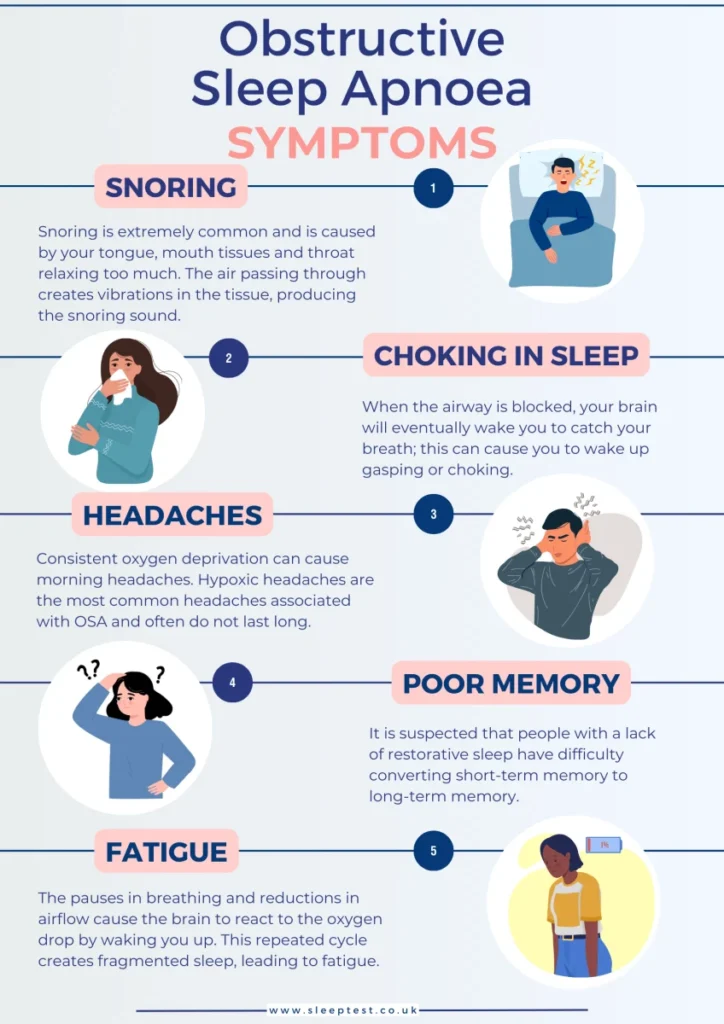
The Importance of Routine in Managing Sleep Disorders
3. Better Mental and Physical Health
A good night’s rest is essential for maintaining good mental and physical health. Chronic sleep disorders have been linked to various health issues, including obesity, diabetes, depression, and anxiety. By establishing a routine and getting enough quality sleep, individuals can improve their overall well-being.
4. Increased Productivity and Alertness
Lack of sleep can lead to daytime fatigue, affecting an individual’s productivity and alertness. By following a routine and getting enough rest, individuals can wake up feeling refreshed and energized, leading to increased productivity and alertness during the day.
Tips for Establishing a Sleep Routine
1. Set a Consistent Bedtime and Wake-Up Time
Try to go to bed and wake up at the same time every day, even on weekends. This will help regulate the body’s internal clock, making it easier to fall asleep and wake up.
2. Avoid Caffeine and Alcohol Before Bedtime
Caffeine and alcohol can disrupt sleep and make it challenging to fall asleep. Avoid consuming these substances at least 4-6 hours before bedtime.
3. Create a Relaxing Bedtime Routine
Incorporate calming activities into your bedtime routine, such as reading, taking a warm bath, or listening to soothing music. This will help your body relax and prepare for sleep.
4. Keep Your Bedroom Dark, Cool, and Quiet
Create a sleep-friendly environment by keeping your bedroom dark, cool, and quiet. This will help promote better sleep and reduce the chances of waking up during the night.
5. Seek Professional Help
If you have trouble falling asleep or staying asleep, it is essential to seek professional help. A doctor can help identify the underlying cause of your sleep disorder and provide appropriate treatment.
In conclusion, routine plays a crucial role in managing sleep disorders. By establishing a consistent sleep routine, individuals can improve the quality of their sleep, reduce stress and anxiety, and promote better overall health. It is essential to be patient and consistent when implementing a sleep routine, as it may take some time for the body to adjust. With the right routine and proper treatment, individuals can successfully manage their sleep disorders and enjoy a good night’s rest.
Summary:
In this blog post, we discussed the importance of routine in managing sleep disorders. Routine refers to a set of activities or habits that are performed regularly and in a specific order, and it helps individuals stay focused and on track. For individuals with sleep disorders, establishing a routine can regulate their sleep-wake cycle and make it easier to fall asleep and stay asleep. The benefits of routine in managing sleep disorders include improved sleep quality, reduced stress and anxiety, better mental and physical health, and increased productivity and alertness. Some tips for establishing a sleep routine include setting a consistent bedtime and wake-up time, avoiding caffeine and alcohol before bedtime, creating a relaxing bedtime routine, keeping the bedroom sleep-friendly, and seeking professional help if needed. By incorporating routine into their daily lives, individuals can successfully manage their sleep disorders and enjoy a good night’s rest.