
Blog Post:
Snoring and deviated septum are two common conditions that many people suffer from. While they may seem like minor annoyances, they can actually have significant impacts on a person’s health and well-being. In this blog post, we will explore the importance of treating snoring and deviated septum by providing 44 reasons why addressing these issues is crucial for overall health.
1. Quality of Sleep: Snoring and deviated septum can disrupt a person’s sleep, leading to poor quality of sleep and less restful nights.
2. Daytime Fatigue: Poor sleep due to snoring and deviated septum can lead to daytime fatigue, making it difficult to focus and function properly.
3. Increased Risk of Accidents: Daytime fatigue can also increase the risk of accidents, both at home and in the workplace.
4. Irritability: Lack of quality sleep can lead to irritability, causing strain on relationships and overall well-being.
5. Decreased Productivity: Fatigue and irritability can also lead to decreased productivity at work or school.
6. Impaired Memory: Poor sleep can also affect memory and cognitive function, making it difficult to retain information and perform well on tasks.
7. Cardiovascular Health: Snoring and deviated septum can contribute to cardiovascular issues such as high blood pressure and heart disease.
8. Stroke Risk: Studies have shown that people with sleep-disordered breathing, such as snoring, are at a higher risk of stroke.
9. Weight Gain: Poor sleep can lead to weight gain, as it disrupts the hormones that regulate hunger and fullness.
10. Obesity: Snoring and deviated septum have been linked to obesity, which can lead to a whole host of health issues.
11. Type 2 Diabetes: Poor sleep has also been linked to an increased risk of developing type 2 diabetes.
12. Depression and Anxiety: Sleep issues can contribute to mental health problems such as depression and anxiety.
13. Respiratory Problems: Snoring and deviated septum can cause breathing difficulties, especially during sleep.
14. Sleep Apnea: Snoring is a common symptom of sleep apnea, a serious sleep disorder that can have severe health consequences if left untreated.
15. Headaches: Poor quality sleep due to snoring and deviated septum can lead to headaches and migraines.
16. Jaw Pain: Snoring and deviated septum can cause jaw pain and discomfort, making it difficult to chew and speak.
17. Tooth Grinding: Sleep issues can also contribute to teeth grinding, which can lead to dental problems and headaches.
18. Acid Reflux: Snoring and sleep-disordered breathing have been linked to acid reflux, causing discomfort and potential damage to the esophagus.
19. Increased Risk of Infections: Poor sleep can weaken the immune system, making a person more susceptible to infections and illnesses.
20. Chronic Fatigue Syndrome: Chronic fatigue syndrome has been linked to sleep disorders such as snoring and sleep apnea.
21. Fibromyalgia: Research has shown a link between sleep disorders and fibromyalgia, a chronic pain condition.
22. Chronic Pain: Poor sleep can also worsen chronic pain conditions, leading to a decreased quality of life.
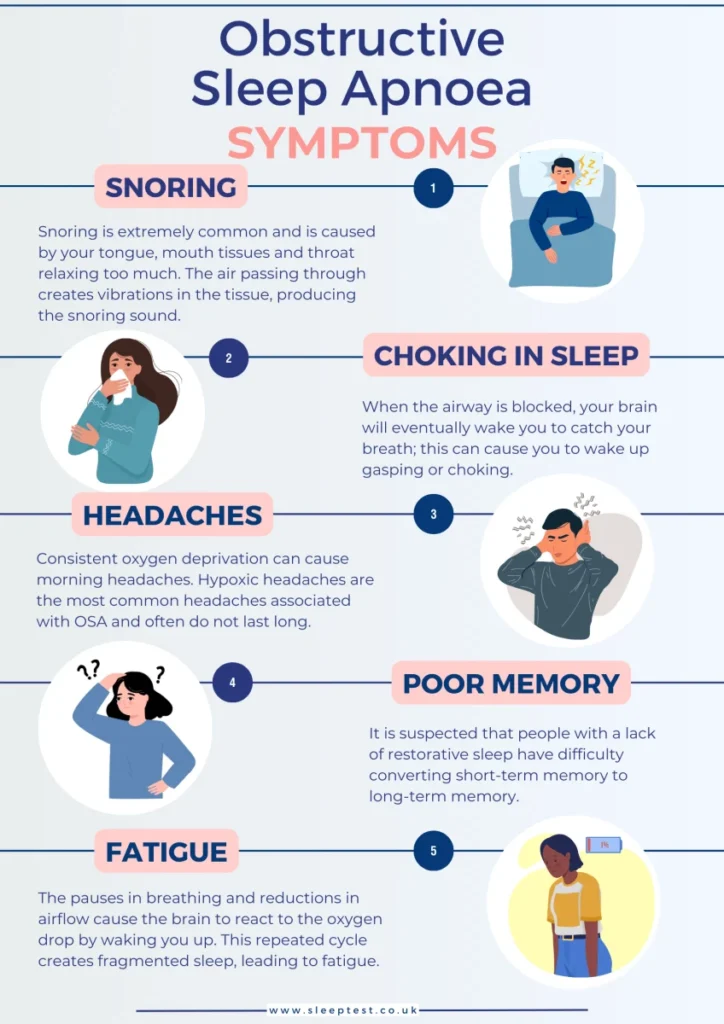
The Importance of Treating Snoring and Deviated Septum: 44 Reasons
23. Hormonal Imbalances: Sleep issues can disrupt the hormones that regulate many bodily functions, leading to imbalances and potential health problems.
24. Lowered Libido: Fatigue and hormonal imbalances can also lead to a decreased sex drive and intimacy issues.
25. Poor Immune Function: Quality sleep is crucial for a healthy immune system, and snoring and deviated septum can interfere with this.
26. Respiratory Infections: People who snore or have a deviated septum are more prone to respiratory infections, such as sinusitis and bronchitis.
27. Allergies and Asthma: Snoring and deviated septum can aggravate allergies and asthma symptoms, making it difficult to breathe properly.
28. Tonsil Enlargement: Snoring can contribute to tonsil enlargement, causing difficulty in breathing and potential health issues.
29. Adenoid Enlargement: Adenoid enlargement due to snoring can lead to sleep apnea and other sleep disorders.
30. Ear Infections: Snoring and sleep-disordered breathing can increase the risk of ear infections, especially in children.
31. Poor Dental Health: Teeth grinding and jaw pain caused by snoring and deviated septum can lead to poor dental health.
32. Social Isolation: People with snoring and sleep apnea often feel embarrassed to sleep in public or share a bed with a partner, leading to social isolation.
33. Relationship Strain: Sleep issues can cause strain on relationships, as one partner’s snoring can disrupt the other’s sleep.
34. Financial Burden: Untreated sleep disorders can lead to missed work or school, resulting in financial strain.
35. Decreased Quality of Life: Poor sleep can significantly impact a person’s overall quality of life, affecting physical, mental, and emotional well-being.
36. Risk of Surgery Complications: People with sleep-disordered breathing have a higher risk of complications during surgery.
37. Difficulty in Anesthesia: Sleep-disordered breathing can make it difficult for a person to be under anesthesia for a medical procedure.
38. Cost of Medical Treatment: Untreated sleep disorders can lead to more severe health problems, resulting in higher medical costs.
39. Medication Side Effects: Medications used to treat sleep disorders can have side effects, making them less desirable for long-term use.
40. Risk of Medication Dependency: Relying on medication to treat sleep disorders can lead to dependency and potential addiction.
41. Effect on Children: Snoring and sleep apnea can affect children’s growth and development, leading to behavioral and emotional issues.
42. Poor School Performance: Children with sleep issues may struggle with concentration and learning, affecting their academic performance.
43. Increased Risk of Dementia: Poor sleep has been linked to an increased risk of developing dementia in older adults.
44. Overall Well-Being: Treating snoring and deviated septum can improve overall health and well-being, leading to a happier and healthier life.
In conclusion, snoring and deviated septum may seem like minor issues, but they can have significant impacts on a person’s health and well-being. From sleep quality to cardiovascular health, these conditions can have a domino effect on various aspects of life. It is crucial to address these issues and seek treatment to improve overall health and quality of life.
Summary:
Snoring and deviated septum may seem like minor issues, but they can have significant impacts on a person’s health and well-being. From disrupted sleep to increased risk of cardiovascular issues, these conditions can have a domino effect on various aspects of life. It is essential to treat snoring and deviated septum to improve overall health, well-being, and quality of life. This blog post provides 44 reasons why addressing these issues is crucial for a person’s health. From poor sleep quality to increased risk of dementia, these conditions can have far-reaching consequences if left untreated.