
Blog Post: The Ins and Outs of Using CPAP Therapy for Snoring
Snoring is a common issue that affects millions of people worldwide. It can not only disrupt the sleep of the snorer but also their partner and other family members. Not only is snoring disruptive, but it can also be a sign of a more serious health issue such as sleep apnea. Continuous Positive Airway Pressure (CPAP) therapy is a commonly used treatment for snoring and sleep apnea. In this blog post, we will discuss the ins and outs of using CPAP therapy for snoring and how it can help improve your sleep and overall health.
What is CPAP Therapy?
CPAP therapy is a non-invasive treatment for snoring and sleep apnea. It involves using a machine that delivers a continuous flow of air through a mask that is worn over the nose and mouth while sleeping. The air pressure helps keep the airway open, preventing snoring and apnea events. CPAP machines come in different sizes and features, but they all work in the same way – delivering a steady stream of pressurized air.
Understanding Snoring and Sleep Apnea
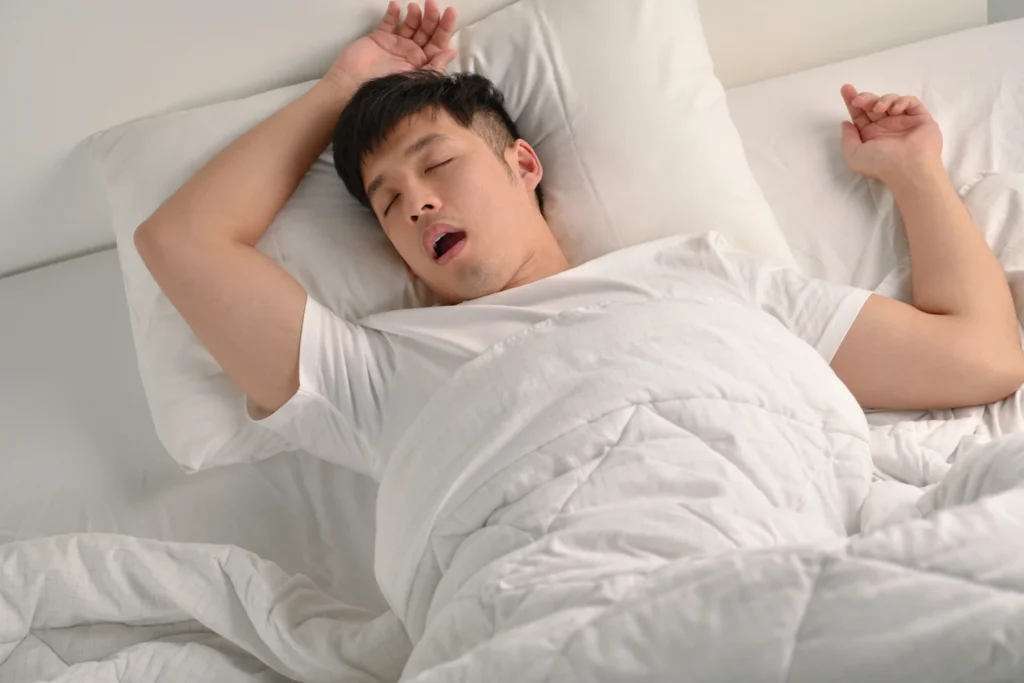
Before delving into the details of CPAP therapy, it is essential to understand the conditions it aims to treat – snoring and sleep apnea. Snoring is the sound produced by the vibration of tissues in the throat and nose during sleep. It is caused by the relaxation of the muscles in the airway, which narrows the passage and causes the tissues to vibrate. On the other hand, sleep apnea is a sleep disorder where the airway becomes blocked, causing the person to stop breathing for short periods. This disruption in breathing can lead to poor sleep quality, daytime fatigue, and other health issues.
How Does CPAP Therapy Work?
CPAP therapy works by delivering a stream of pressurized air through a mask worn over the nose and mouth. The air pressure helps keep the airway open, preventing snoring and apnea events. The machine has a motor that draws in air from the room, pressurizes it, and delivers it through a tube to the mask. The pressure is customized based on the individual’s needs, and it is essential to work with a healthcare provider to determine the right settings for effective treatment.
Benefits of Using CPAP Therapy
The Ins and Outs of Using CPAP Therapy for Snoring
CPAP therapy offers numerous benefits for those suffering from snoring and sleep apnea. The most significant benefit is improved sleep quality. By keeping the airway open, the individual can breathe more easily and have uninterrupted sleep, leading to feeling more rested and energized during the day. CPAP therapy also helps reduce the risks associated with sleep apnea, such as high blood pressure, heart disease, and stroke. Additionally, it can also help reduce snoring, leading to a more peaceful sleep for the individual and their partner.
Adjusting to CPAP Therapy
Like any new treatment, adjusting to CPAP therapy may take some time. It is not uncommon for individuals to experience some discomfort or difficulty getting used to sleeping with a mask on their face. However, there are some tips that can help with the adjustment process. First, it is essential to have realistic expectations and understand that it may take a few nights to get used to the mask and machine. Second, it is crucial to work with a healthcare provider to find the right mask and pressure settings for optimal comfort. Lastly, using the machine consistently and making it part of your bedtime routine can help with the adjustment process.
Maintenance and Care for CPAP Equipment
It is essential to keep your CPAP equipment clean and well-maintained to ensure its effectiveness and longevity. The mask, tubing, and humidifier should be cleaned regularly with mild soap and water. It is recommended to clean them at least once a week, but some individuals may need to clean them more frequently. The machine’s filter should also be replaced regularly, as recommended by the manufacturer. By properly caring for your CPAP equipment, you can ensure it continues to provide effective treatment for snoring and sleep apnea.
Alternative Options for Snoring and Sleep Apnea
While CPAP therapy is an effective treatment for snoring and sleep apnea, it may not be suitable for everyone. Some individuals may find the mask and machine uncomfortable, and others may not see significant improvement in their symptoms. In these cases, alternative treatment options such as oral appliances, surgery, or positional therapy may be recommended. It is essential to work with a healthcare provider to determine the best treatment plan for your specific needs.
In conclusion, CPAP therapy is a safe, non-invasive, and effective treatment for snoring and sleep apnea. It works by delivering a continuous flow of pressurized air through a mask worn over the nose and mouth, keeping the airway open and preventing snoring and apnea events. With proper care and maintenance, CPAP equipment can provide long-term relief and improve overall sleep quality and health. If you are struggling with snoring or suspect you may have sleep apnea, consult with a healthcare provider to determine if CPAP therapy is right for you.
Summary:
Snoring and sleep apnea can significantly impact an individual’s sleep quality and overall health. CPAP therapy is a commonly used treatment for these conditions, involving a machine that delivers a continuous flow of air through a mask worn over the nose and mouth. It works by keeping the airway open, preventing snoring and apnea events. CPAP therapy offers numerous benefits, including improved sleep quality and reduced risks associated with sleep apnea. It is essential to work with a healthcare provider to find the right settings and equipment for optimal comfort and effectiveness. Proper maintenance and care of the equipment are crucial for long-term relief. Alternative treatment options may be recommended if CPAP therapy is not suitable.