
Blog post:
Do you suffer from chronic snoring or frequent sinus infections? If so, you may be surprised to learn that there is a link between these two seemingly unrelated issues. Snoring, allergies, and sinus infections are all common problems that can significantly impact our daily lives. But what is the connection between them? In this blog post, we will explore the relationship between snoring, allergies, and sinus infections, and how they can exacerbate each other.
First, let’s start with snoring. Snoring is the sound caused by the vibration of tissues in the throat and nose during sleep. It is estimated that 45% of adults snore occasionally, and 25% are habitual snorers. While snoring may seem like a harmless annoyance, it can actually be a sign of a more serious underlying issue. One of the most common causes of snoring is obstructed nasal passages, which can be caused by allergies or sinus infections.
Allergies are a common problem, affecting millions of people worldwide. When we are exposed to allergens, such as pollen, dust, or pet dander, our immune system reacts by releasing histamines. These histamines cause inflammation and swelling in the nasal passages, making it difficult to breathe through the nose. This obstruction can lead to snoring as air struggles to pass through the narrowed airway.
Similarly, sinus infections can also cause snoring. Sinus infections occur when the sinuses, which are air-filled cavities in the skull, become inflamed and swollen. This inflammation can block the nasal passages, leading to snoring. In addition, sinus infections can also cause post-nasal drip, which can irritate the throat and cause snoring.
But the relationship between snoring, allergies, and sinus infections is not just one-way. Snoring can also increase the likelihood of developing allergies and sinus infections. When we snore, the muscles in our throat relax, causing our airway to become narrow. This narrowing can lead to a vacuum effect, sucking in allergens and other irritants from the environment. These allergens can then cause inflammation and infection in the sinuses, leading to sinus infections.
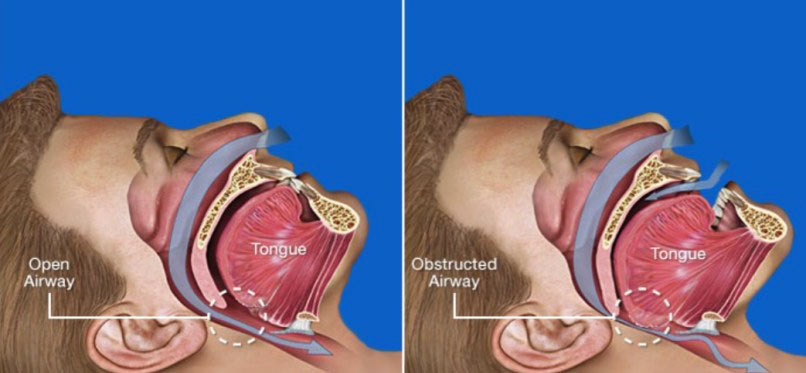
The Link Between Snoring, Allergies, and Sinus Infections
Furthermore, snoring can also disrupt our sleep patterns, making us more susceptible to developing allergies and sinus infections. When we snore, our sleep is constantly interrupted, preventing us from getting the restful sleep our body needs to fight off infections. This can weaken our immune system, making us more vulnerable to allergens and infections.
So, what can we do to break this cycle of snoring, allergies, and sinus infections? The first step is to identify and treat the underlying cause of snoring. If allergies are the culprit, it is essential to manage and reduce exposure to allergens. This can include using air purifiers, keeping windows closed during peak pollen season, and regularly cleaning bedding and carpets. Over-the-counter antihistamines and nasal sprays can also provide relief.
In the case of sinus infections, it is crucial to seek medical treatment. Antibiotics may be prescribed to clear the infection, while decongestants and nasal sprays can help alleviate symptoms. In more severe cases, surgery may be necessary to improve sinus drainage and reduce the risk of future infections.
Additionally, there are lifestyle changes that can help reduce snoring and prevent allergies and sinus infections. Maintaining a healthy weight, avoiding alcohol and sedatives before bed, and sleeping on your side can all help reduce snoring. It is also essential to keep our sinuses and nasal passages hydrated by drinking plenty of water and using a saline nasal spray.
In conclusion, snoring, allergies, and sinus infections are interconnected issues that can worsen each other. Snoring can be a symptom of underlying allergies or sinus infections, while also increasing the likelihood of developing these conditions. By identifying and treating the root cause of snoring, managing allergies, and taking steps to prevent sinus infections, we can break this cycle and improve our overall health and quality of sleep.
Summary:
Snoring, allergies, and sinus infections are all common problems that can significantly impact our daily lives. Snoring can be caused by obstructed nasal passages, which can be a result of allergies or sinus infections. In turn, snoring can increase the likelihood of developing allergies and sinus infections. To break this cycle, it is essential to identify and treat the underlying cause of snoring, manage allergies, and seek medical treatment for sinus infections. Lifestyle changes, such as maintaining a healthy weight and sleeping on your side, can also help reduce snoring and prevent allergies and sinus infections.