
The Link Between Snoring and Deep Sleep: How a Mouthpiece Can Help
Snoring is a common issue that affects millions of people worldwide. While it may seem like a minor annoyance, snoring can actually have a significant impact on the quality of your sleep and overall health. Studies have shown that snoring can disrupt deep sleep, leading to a variety of health problems. In this blog post, we will explore the link between snoring and deep sleep and how a mouthpiece can help alleviate snoring and improve your sleep.
The Connection Between Snoring and Deep Sleep
Deep sleep, also known as rapid eye movement (REM) sleep, is a crucial stage of the sleep cycle. It is during this stage that our bodies repair and rejuvenate, and our brains consolidate memories and process emotions. The average adult needs about 7-9 hours of sleep each night, with around 20% of that time spent in deep sleep.
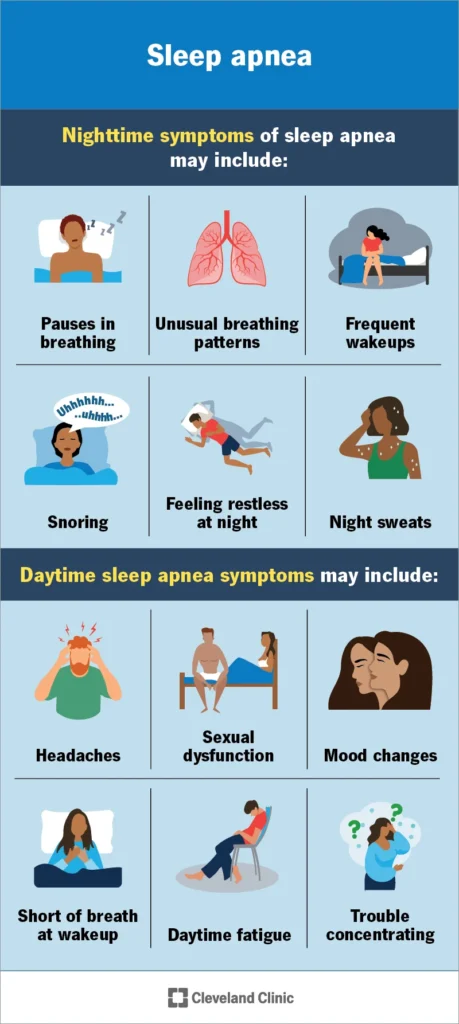
However, when we snore, the quality of our deep sleep can be greatly affected. Snoring is caused by the vibration of tissues in the throat and nose, which can disrupt the flow of air and cause breathing to stop temporarily. This leads to a disruption in the sleep cycle, as the brain is forced to partially wake up to restore normal breathing. As a result, the amount of time spent in deep sleep is reduced, leading to feelings of fatigue, irritability, and difficulty concentrating during the day.
The Negative Effects of Poor Deep Sleep
The effects of poor deep sleep go beyond simply feeling tired and grumpy. Lack of deep sleep can have a significant impact on our physical and mental health. Studies have shown that people who snore and experience interrupted deep sleep are at a higher risk of developing cardiovascular issues, such as high blood pressure and heart disease. Poor deep sleep has also been linked to weight gain, diabetes, and a weakened immune system.
In addition to physical health, poor deep sleep can also affect our mood and mental well-being. Chronic lack of deep sleep has been associated with depression, anxiety, and memory problems. It can also contribute to a higher risk of accidents and injuries due to daytime drowsiness.
How a Mouthpiece Can Help
Fortunately, there are solutions available to help alleviate snoring and improve deep sleep. One effective method is the use of a mouthpiece, also known as a mandibular advancement device (MAD). This device is designed to be worn during sleep and works by moving the jaw forward, keeping the airway open and preventing snoring.
Mouthpieces are typically custom-made to fit the individual’s mouth and can be obtained from a dentist or through online retailers. They are made from soft, flexible materials and are comfortable to wear. The use of a mouthpiece has been shown to significantly reduce snoring and improve the quality of deep sleep.
The Link Between Snoring and Deep Sleep: How a Mouthpiece Can Help
Other Tips for Improving Deep Sleep
In addition to using a mouthpiece, there are other lifestyle changes that can help improve deep sleep and reduce snoring. These include:
1. Maintain a healthy weight: Excess weight can contribute to snoring, as it can lead to the narrowing of the airway. Maintaining a healthy weight through a balanced diet and regular exercise can help reduce snoring and improve deep sleep.
2. Avoid alcohol and sedatives before bed: These substances can relax the muscles in the throat, increasing the likelihood of snoring. It is best to avoid them before bedtime, especially if you are prone to snoring.
3. Sleep on your side: Sleeping on your back can worsen snoring, as gravity can cause the tissues in the throat to collapse and block the airway. Sleeping on your side can help keep the airway open and reduce snoring.
4. Use a humidifier: Dry air can irritate the throat and nasal passages, leading to snoring. Using a humidifier can help keep the air moist and reduce snoring.
5. Practice good sleep hygiene: This includes having a consistent sleep schedule, creating a comfortable sleep environment, and avoiding screens and stimulating activities before bed.
In Conclusion
Snoring and deep sleep are closely linked, and it is essential to address snoring to improve the quality of our sleep. By using a mouthpiece and implementing healthy lifestyle habits, we can reduce snoring and increase the amount of time spent in deep sleep. This, in turn, can have a positive impact on our overall health and well-being.
Summary:
Snoring can have a significant impact on the quality of deep sleep, leading to various health problems such as fatigue, irritability, and a weakened immune system. Poor deep sleep has also been linked to cardiovascular issues, weight gain, and mental health problems. One effective solution for snoring is the use of a mouthpiece, which works by keeping the airway open and preventing snoring. Other tips for improving deep sleep include maintaining a healthy weight, avoiding alcohol and sedatives before bed, sleeping on your side, using a humidifier, and practicing good sleep hygiene. By addressing snoring and improving deep sleep, we can improve our overall health and well-being.