
Blog Post:
Snoring is a common issue that affects millions of people around the world. While it may seem like a harmless and annoying habit, it can actually have serious implications for your dental health. In fact, snoring and dental health are closely linked, and understanding this connection is important for both your oral and overall well-being.
In this blog post, we will explore the link between snoring and dental health, and discuss what you need to know to improve your sleep and protect your teeth.
What is Snoring?
Before we dive into the connection between snoring and dental health, let’s first understand what snoring is. Snoring is a sound that occurs during sleep when the airway is obstructed, causing vibrations in the throat and nose. It often occurs when the soft tissue in the throat relaxes too much, narrowing the airway and making it difficult for air to pass through.
Common Causes of Snoring
There are various factors that can contribute to snoring, including age, weight, alcohol consumption, smoking, and nasal congestion. However, one of the most significant causes of snoring is the structure of the mouth and throat. People with enlarged tonsils, a deviated septum, or a large tongue are more prone to snoring.
The Link Between Snoring and Dental Health
Now, let’s talk about the connection between snoring and dental health. One of the main ways snoring affects your oral health is by causing dry mouth. When you snore, your mouth is open, and the air passing through it can dry out the saliva, resulting in a dry mouth. Saliva plays a crucial role in keeping your mouth clean and healthy. It helps to wash away food particles and neutralize harmful acids, preventing tooth decay and gum disease.
Moreover, snoring can also lead to teeth grinding or clenching, also known as bruxism. When you snore, your jaw muscles are tensed, which can cause them to clench or grind during sleep. This can put excessive pressure on your teeth, leading to wear and tear, and even fractures. Teeth grinding can also cause headaches, jaw pain, and discomfort in the temporomandibular joint (TMJ).
Sleep Apnea and Dental Health
Snoring can also be a sign of a more serious condition called sleep apnea. Sleep apnea is a disorder where a person stops breathing for short periods during sleep. This can happen multiple times throughout the night, disrupting their sleep and causing fatigue and other health issues. One of the common symptoms of sleep apnea is snoring. Sleep apnea can have serious consequences for your dental health, including dry mouth, gum disease, and tooth decay. Furthermore, the use of a continuous positive airway pressure (CPAP) machine, a common treatment for sleep apnea, can also cause dry mouth and increase the risk of tooth decay.
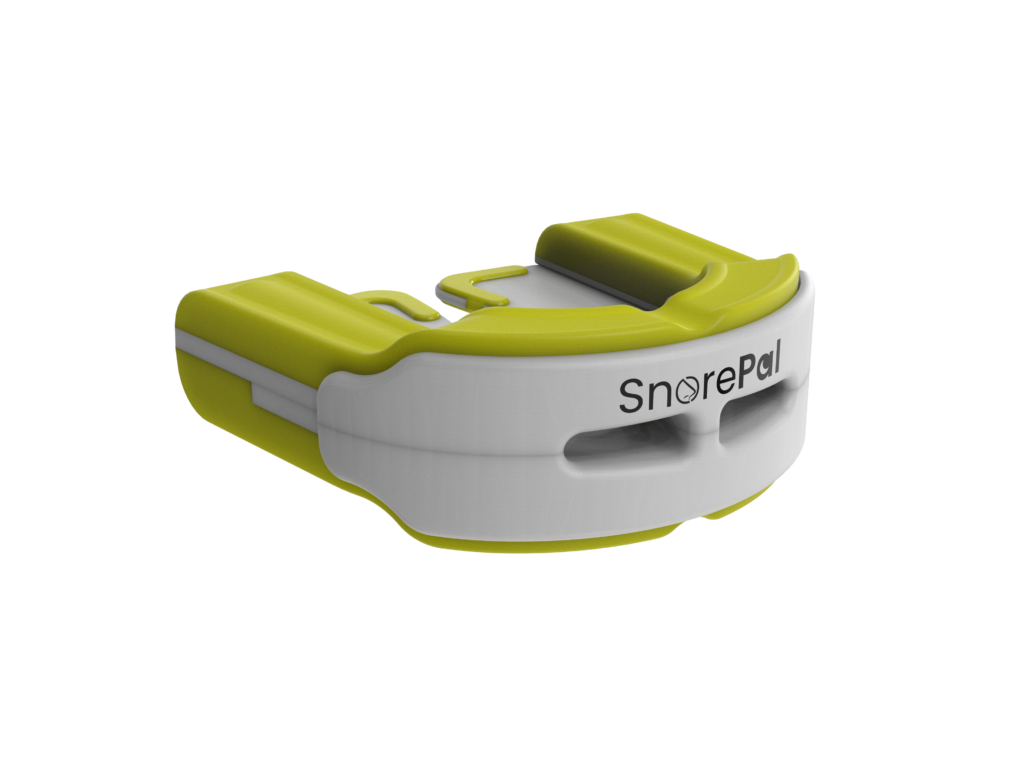
The Link Between Snoring and Dental Health: What You Need to Know
How to Improve Snoring and Protect Your Dental Health
Now that we understand the connection between snoring and dental health, let’s discuss some tips to improve snoring and protect your teeth.
1. Maintain Good Oral Hygiene
To prevent dental issues caused by snoring, it is crucial to maintain good oral hygiene. Make sure to brush your teeth twice a day, floss regularly, and use an antibacterial mouthwash to keep your mouth clean and healthy.
2. Stay Hydrated
As dry mouth is a common issue for snorers, it is essential to stay hydrated. Drink plenty of water throughout the day, and consider using a humidifier in your bedroom at night to keep your mouth moist.
3. Use a Nightguard
If you grind or clench your teeth while sleeping, a nightguard can help protect your teeth from damage. A nightguard is a custom-made dental appliance that fits over your teeth and provides a barrier between your upper and lower teeth.
4. Seek Treatment for Sleep Apnea
If you suspect you have sleep apnea, it is crucial to seek treatment from a medical professional. Treatment options include lifestyle changes, such as losing weight and avoiding alcohol and smoking, and the use of a CPAP machine or oral appliance.
5. Visit Your Dentist Regularly
Regular visits to your dentist can help identify any dental issues caused by snoring. Your dentist can also provide you with personalized recommendations to improve your snoring and protect your dental health.
In Conclusion
Snoring and dental health are closely linked, and it is essential to understand this connection to improve your oral health and overall well-being. Maintaining good oral hygiene, staying hydrated, using a nightguard, seeking treatment for sleep apnea, and visiting your dentist regularly can all help to improve snoring and protect your teeth.
Summary:
Snoring is a common issue that affects many people and can have serious implications for dental health. It occurs when the airway is obstructed, causing vibrations in the throat and nose. Common causes of snoring include age, weight, alcohol consumption, smoking, and structural issues in the mouth and throat. Snoring can lead to dry mouth, teeth grinding, and sleep apnea, which can cause dental issues such as gum disease and tooth decay. To improve snoring and protect dental health, maintaining good oral hygiene, staying hydrated, using a nightguard, seeking treatment for sleep apnea, and visiting the dentist regularly are essential.