
The Link Between Snoring and Falls in Aging Adults
As we age, our bodies go through numerous changes, both physical and mental. One common issue that affects many aging adults is snoring. While snoring may seem like a harmless annoyance, recent studies have found a surprising connection between snoring and falls in aging adults. In this blog post, we will delve into this link and explore how snoring may increase the risk of falls in older individuals.
Understanding Snoring in Aging Adults
Before we dive into the connection between snoring and falls, it is essential to understand what snoring is and why it occurs in aging adults. Snoring is the sound produced when air flows through the relaxed tissues in the throat, causing them to vibrate. It is a common issue that affects people of all ages, but it becomes more prevalent as we age.
As we get older, our muscle tone decreases, including the muscles in our throat. This leads to the relaxation of the tissues in the throat, making them more prone to vibrate and cause snoring. Additionally, aging can also lead to weight gain and an increase in neck circumference, both of which can contribute to snoring.
The Connection Between Snoring and Falls
Recent studies have found that there is a strong correlation between snoring and falls in aging adults. One study published in the Journal of Clinical Sleep Medicine found that elderly individuals who snore are more likely to experience falls and fractures. This study followed over 1,000 participants for five years and found that those who snored were 1.2 times more likely to fall and 1.4 times more likely to experience fractures.
But why does snoring increase the risk of falls in aging adults? One possible explanation is the impact that snoring has on sleep quality. Snoring can disrupt the quality of sleep, leading to daytime fatigue and drowsiness. This can increase the risk of falls, especially in individuals with preexisting balance issues.
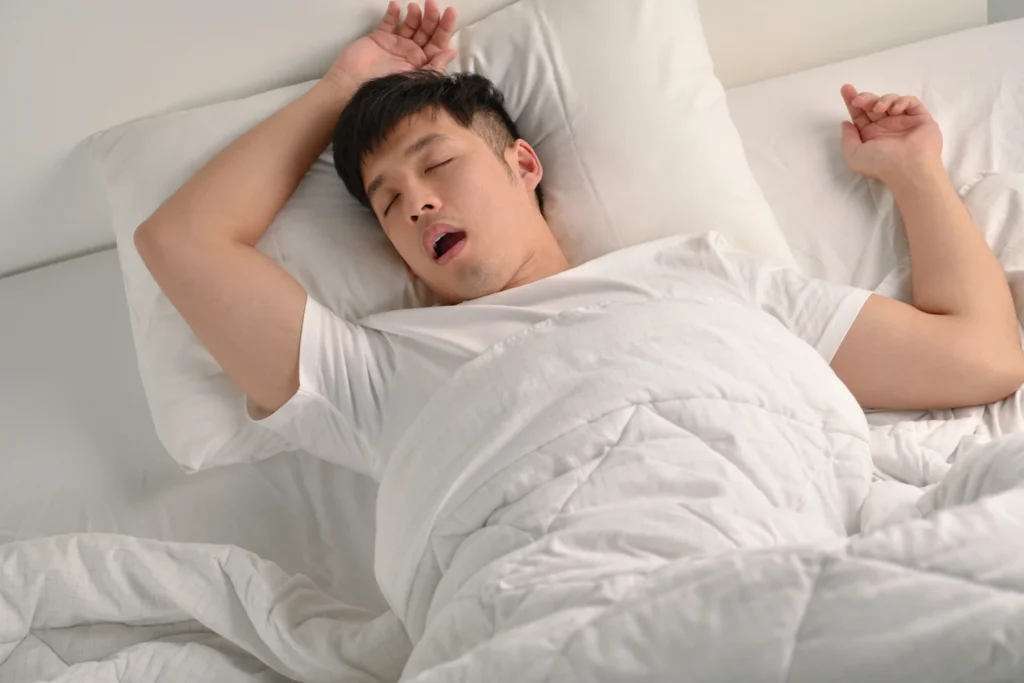
The Link Between Snoring and Falls in Aging Adults
Another contributing factor is sleep apnea, a sleep disorder characterized by pauses in breathing during sleep. Sleep apnea is a common cause of snoring, and it has been linked to an increased risk of falls in older adults. A study published in the Journal of the American Geriatrics Society found that individuals with sleep apnea were more than twice as likely to experience falls compared to those without the disorder.
Furthermore, snoring has also been linked to cognitive decline in aging adults. A study published in the journal Sleep found that snoring was associated with a decline in executive function, which is responsible for balance and coordination. This decline in cognitive function can also increase the risk of falls in aging adults.
Preventing Falls in Aging Adults Who Snore
The good news is that there are steps that aging adults who snore can take to reduce their risk of falls. The first step is to address the underlying cause of snoring. If snoring is caused by sleep apnea, treating the disorder can significantly improve sleep quality and reduce the risk of falls.
Additionally, lifestyle changes such as maintaining a healthy weight and exercising regularly can also help reduce snoring and improve overall health. Sleeping on your side instead of your back can also help reduce snoring, as back sleeping can contribute to the relaxation of throat tissues.
It is also essential for aging adults to take steps to improve their balance and coordination. This can include regular exercise that focuses on balance and coordination, such as yoga or tai chi. Installing grab bars and removing clutter in the home can also help prevent falls.
In some cases, a doctor may also recommend the use of a continuous positive airway pressure (CPAP) machine to help with breathing during sleep and reduce snoring. This can be especially beneficial for individuals with sleep apnea.
The Bottom Line
In conclusion, snoring may seem like a harmless annoyance, but it can have serious consequences for aging adults. The link between snoring and falls is a significant concern, and it is crucial for both individuals and their caregivers to be aware of this connection. By addressing the underlying causes of snoring and taking steps to improve sleep quality and balance, aging adults can reduce their risk of falls and maintain their independence and quality of life.