
Snoring is a common issue that affects both adults and children. While it may seem like a harmless annoyance, snoring can actually have a significant impact on a child’s academic performance. In fact, studies have shown a strong link between snoring and poor academic performance in children. In this blog post, we will explore the reasons behind this connection and discuss ways to address snoring in children to improve their academic success.
First, let’s understand what snoring is and how it affects a child’s sleep. Snoring is the sound that occurs when air cannot move freely through the nose and throat while sleeping. This can be caused by a variety of factors such as a blocked nose, enlarged tonsils, or a deviated septum. When a child snores, their breathing is disrupted, which can lead to poor quality sleep. This can result in daytime sleepiness, difficulty concentrating, and irritability, all of which can negatively impact their academic performance.
One of the main ways snoring affects academic performance is through its impact on a child’s cognitive functioning. When a child does not get enough quality sleep due to snoring, their brain is unable to rest and restore itself. This can lead to difficulties with memory, attention, and problem-solving skills, all of which are crucial for academic success. Additionally, chronic sleep deprivation can also lead to mood swings and behavioral issues, making it harder for children to focus and learn in the classroom.
Moreover, snoring can also affect a child’s physical health, which can indirectly impact their academic performance. Children who snore are at a higher risk of developing respiratory infections such as colds, flu, and sinus infections. These illnesses can cause them to miss school, leading to a disruption in their learning and potentially falling behind their peers. Furthermore, poor sleep due to snoring can weaken the immune system, making children more susceptible to illnesses, which can further impact their attendance and academic progress.
The Link Between Snoring and Poor Academic Performance in Children
Another factor to consider is the effect of snoring on a child’s emotional well-being. Children who snore may experience feelings of embarrassment, shame, and low self-esteem, especially if they are teased by their peers or family members. This can lead to social withdrawal and a lack of participation in activities that require interaction with others, such as group projects or extracurricular activities. As a result, their social and emotional development may suffer, which can also have a negative impact on their academic performance.
So, what can parents and caregivers do to address snoring in children and improve their academic performance? The first step is to identify if your child is snoring and if so, to determine the underlying cause. If the cause is due to enlarged tonsils or adenoids, a visit to an ENT specialist may be necessary to discuss potential treatment options. In some cases, lifestyle changes such as establishing a regular bedtime routine, limiting screen time before bed, and ensuring a comfortable sleep environment can also help reduce snoring.
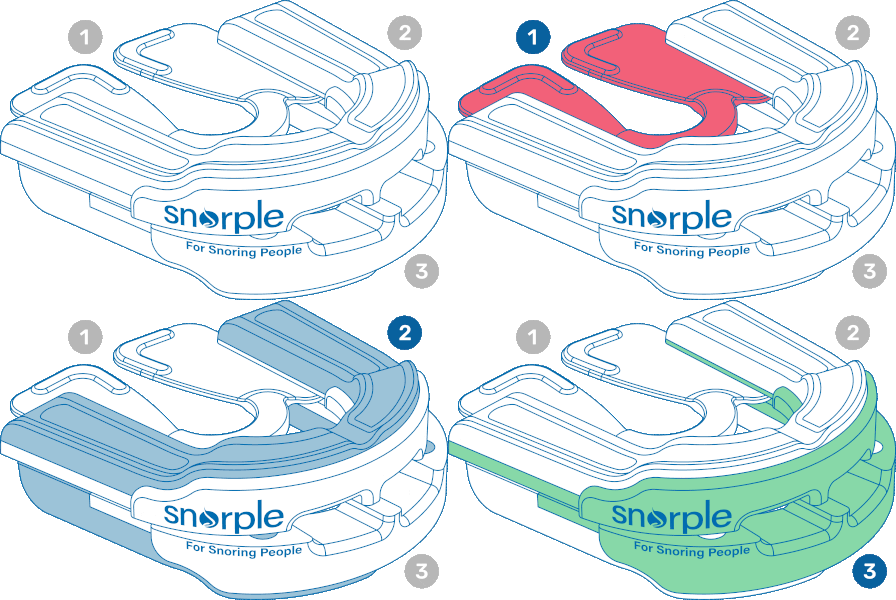
In addition, there are several devices available that can help alleviate snoring in children. Nasal strips, which are placed on the bridge of the nose, can help open up the nasal passages and improve airflow. Mouthguards, also known as mandibular advancement devices, can help keep the airway open by holding the jaw in a forward position. It is essential to consult with a pediatrician or sleep specialist before using any of these devices to ensure they are safe and appropriate for your child.
In some cases, snoring may be a symptom of a more serious underlying condition, such as sleep apnea. Sleep apnea is a sleep disorder characterized by pauses in breathing or shallow breathing during sleep. It is crucial to seek medical attention if you suspect your child may have sleep apnea as it can have significant effects on their health and academic performance.
In conclusion, snoring and poor academic performance in children are closely linked. Snoring can lead to disrupted sleep, which can affect a child’s cognitive functioning, physical health, and emotional well-being, all of which are crucial for academic success. It is essential for parents and caregivers to be aware of the signs of snoring in children and take necessary steps to address it. By seeking medical attention, making lifestyle changes, and using appropriate devices, snoring can be managed, and a child’s academic performance can improve.