
Snoring may seem like a harmless annoyance, but for pregnant women, it could be a sign of a serious condition called preeclampsia. Preeclampsia is a pregnancy complication characterized by high blood pressure and signs of damage to other organ systems, most commonly the liver and kidneys. It affects 5-8% of pregnant women and is a leading cause of maternal and fetal morbidity and mortality worldwide. In this blog post, we will explore the link between snoring and preeclampsia and discuss the importance of addressing snoring during pregnancy.
The connection between snoring and preeclampsia was first discovered in the 1990s when researchers noticed a higher incidence of snoring in pregnant women with preeclampsia compared to those without the condition. Since then, several studies have confirmed this link, with one study reporting that snoring during pregnancy increases the risk of preeclampsia by 2.3 times. So, why does snoring increase the risk of preeclampsia?
One possible explanation is that snoring is a symptom of sleep-disordered breathing (SDB), a condition that causes repeated pauses in breathing during sleep. SDB can range from mild snoring to a more severe form known as sleep apnea. During these pauses, the brain and other organs, including the placenta, do not receive enough oxygen, leading to a state of chronic hypoxia (low oxygen levels). This state of hypoxia can cause inflammation and oxidative stress, both of which are known to play a role in the development of preeclampsia.
Moreover, snoring and SDB can also contribute to other risk factors for preeclampsia, such as obesity, gestational diabetes, and high blood pressure. Women who snore are more likely to have a higher body mass index (BMI) and excessive weight gain during pregnancy, both of which are risk factors for preeclampsia. The repeated drops in oxygen levels during sleep can also increase insulin resistance, leading to gestational diabetes. Additionally, SDB can cause changes in blood pressure, which can further increase the risk of preeclampsia.
The Link Between Snoring and Preeclampsia
Apart from the physiological mechanisms, snoring can also disrupt a pregnant woman’s sleep, leading to fatigue, daytime sleepiness, and poor quality of life. This can have a significant impact on a woman’s overall health and well-being during pregnancy. Furthermore, poor sleep has been linked to adverse pregnancy outcomes, including preterm birth and low birth weight. Therefore, addressing snoring and SDB during pregnancy is crucial for both maternal and fetal health.
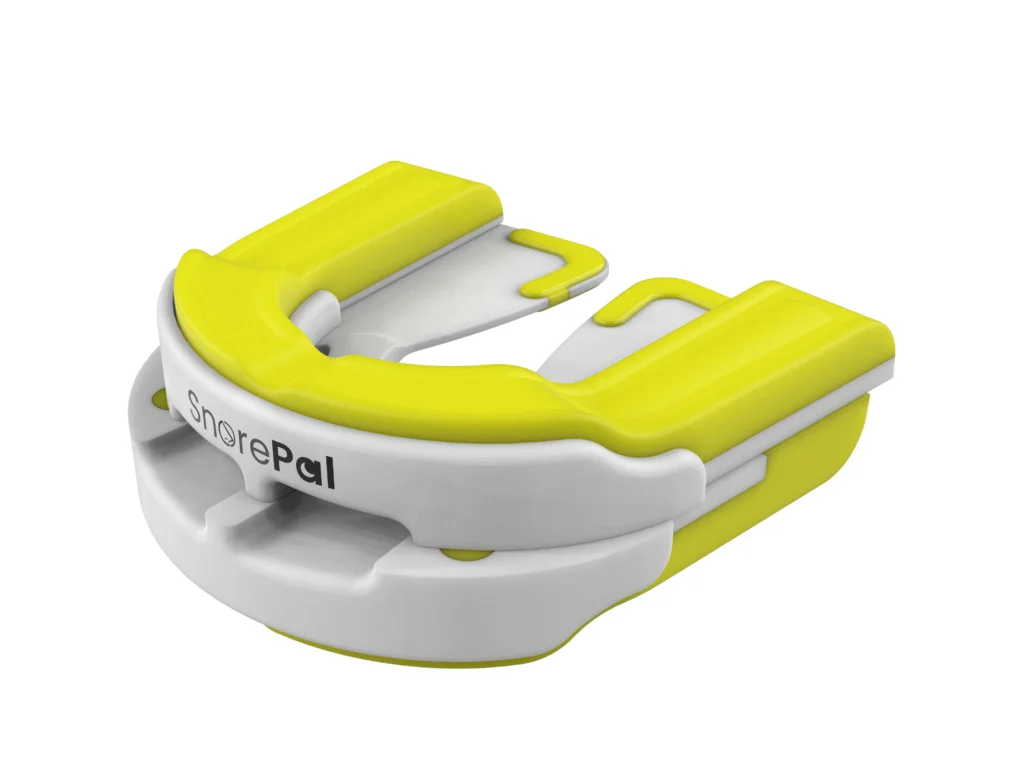
So, what can be done to address snoring during pregnancy? The first step is to identify and diagnose the underlying cause of snoring. If the snoring is due to SDB, treatment options may include continuous positive airway pressure (CPAP) therapy, which involves wearing a mask over the nose and mouth during sleep to keep the airway open, or oral appliances that help maintain an open airway. Lifestyle modifications, such as weight loss, avoiding sleeping on the back, and avoiding alcohol and sedatives before bedtime, may also help improve snoring and SDB.
It is essential for pregnant women to discuss any snoring or sleep-related issues with their healthcare provider. They may refer them to a sleep specialist for further evaluation and treatment. Additionally, pregnant women can also take steps to improve their sleep hygiene, such as establishing a regular sleep schedule, creating a comfortable sleep environment, and practicing relaxation techniques before bedtime.
In conclusion, snoring and preeclampsia are closely linked, and addressing snoring during pregnancy is crucial for the health and well-being of both the mother and the baby. Pregnant women should be aware of the potential risks associated with snoring and seek medical attention if they experience any sleep-related issues. With proper management, snoring and SDB can be effectively treated, reducing the risk of preeclampsia and promoting a healthier pregnancy.
In summary, snoring during pregnancy has been linked to a higher risk of preeclampsia, a serious pregnancy complication. Snoring may be a symptom of sleep-disordered breathing, which can cause chronic hypoxia and contribute to other risk factors for preeclampsia. Addressing snoring and SDB during pregnancy is crucial for maternal and fetal health, and treatment options include CPAP therapy, oral appliances, and lifestyle modifications. It is essential for pregnant women to discuss any sleep-related issues with their healthcare provider and take steps to improve their sleep hygiene. With proper management, snoring and SDB can be effectively treated, reducing the risk of preeclampsia and promoting a healthier pregnancy.