
Blog Post Title: The Link Between Snoring and Sleep Apnea: Explained
Snoring is a common issue that affects many people, but it is often dismissed as a harmless annoyance. However, snoring can actually be a symptom of a more serious sleep disorder known as sleep apnea. In this blog post, we will explore the link between snoring and sleep apnea and explain how they are connected.
What is Snoring?
Snoring is the sound that occurs when the flow of air through your mouth and nose is obstructed during sleep. This obstruction can be caused by various factors, such as nasal congestion, enlarged tonsils, or a deviated septum. When the airway is partially blocked, the tissues in the throat vibrate, creating the snoring sound.
While snoring is often seen as a nuisance, it can also be a sign of an underlying health issue. One of the most common conditions associated with snoring is sleep apnea.
Understanding Sleep Apnea
Sleep apnea is a sleep disorder that affects an estimated 22 million Americans. It is characterized by pauses in breathing or shallow breathing during sleep. These pauses can last for a few seconds to a few minutes and can occur multiple times throughout the night.
There are three types of sleep apnea: obstructive, central, and complex. Obstructive sleep apnea (OSA) is the most common type and occurs when the muscles in the throat relax and block the airway. Central sleep apnea (CSA) is less common and happens when the brain fails to send signals to the muscles that control breathing. Complex sleep apnea is a combination of both OSA and CSA.
The Link Between Snoring and Sleep Apnea
Snoring and sleep apnea are closely linked, with snoring being one of the most common symptoms of sleep apnea. When the airway is obstructed during sleep, it can cause snoring. However, in cases of sleep apnea, the obstruction is more severe and can lead to pauses in breathing.
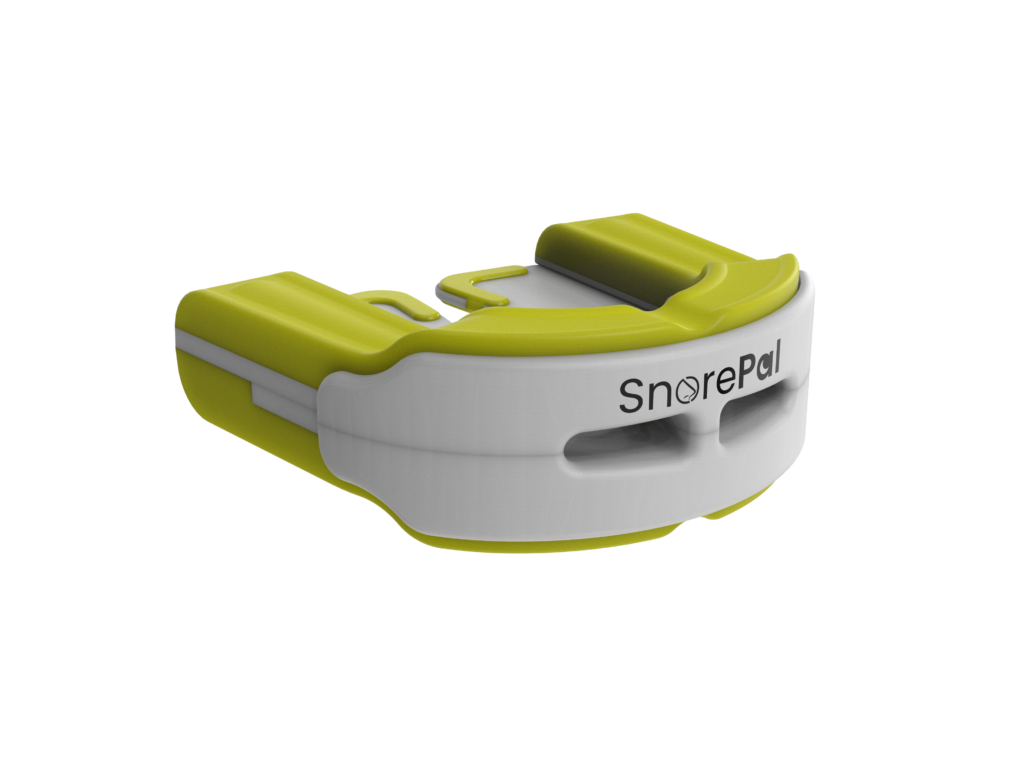
The Link Between Snoring and Sleep Apnea: Explained
Not everyone who snores has sleep apnea, but almost everyone with sleep apnea snores. In fact, studies have shown that about 75% of people with OSA snore loudly. This is because the airway obstruction in sleep apnea is more severe than in regular snoring.
Other Symptoms of Sleep Apnea
Aside from snoring, there are other symptoms that can indicate the presence of sleep apnea. These include excessive daytime sleepiness, morning headaches, dry mouth, and difficulty concentrating. People with sleep apnea may also experience mood changes, irritability, and fatigue.
The Consequences of Untreated Sleep Apnea
Sleep apnea can have serious consequences if left untreated. The frequent pauses in breathing during sleep can lead to low oxygen levels in the body, which can put a strain on the heart and increase the risk of heart disease, stroke, and high blood pressure. It can also lead to daytime sleepiness, which can affect daily activities and increase the risk of accidents, especially while driving.
Diagnosing and Treating Sleep Apnea
If you suspect that you or a loved one may have sleep apnea, it is important to seek medical attention. A sleep study, either in a sleep lab or at home, can diagnose sleep apnea and determine its severity.
Treatment for sleep apnea may involve lifestyle changes, such as weight loss and quitting smoking, as well as the use of a continuous positive airway pressure (CPAP) machine, which helps keep the airway open during sleep. In some cases, surgery may be recommended to correct any physical obstructions in the airway.
Summary:
Snoring is the sound that occurs when the flow of air through your nose and mouth is obstructed during sleep. It is often seen as a harmless annoyance, but it can also be a symptom of a more serious sleep disorder known as sleep apnea. Sleep apnea is a condition that causes pauses in breathing or shallow breathing during sleep. Snoring and sleep apnea are closely linked, with snoring being one of the most common symptoms of sleep apnea. If left untreated, sleep apnea can lead to serious health consequences, but it can be diagnosed and treated with lifestyle changes, CPAP therapy, or surgery.