
Blog Post: The Link Between Snoring, Sleep Quality, and Blood Pressure Control
Have you ever woken up to the sound of your partner snoring loudly? Or perhaps you have been the culprit yourself. While snoring may seem like a harmless annoyance, it could actually be a sign of a more serious health issue – sleep apnea. This sleep disorder has been linked to various health problems, including high blood pressure. In this blog post, we will explore the connection between snoring, sleep quality, and blood pressure control.
What is Snoring and Sleep Apnea?
Snoring is a common condition that occurs when the airway is partially blocked during sleep, causing vibrations in the throat. It is estimated that 45% of adults snore occasionally, and 25% snore regularly. While snoring can be caused by various factors such as allergies, alcohol consumption, or sleeping position, it can also be a symptom of sleep apnea.
Sleep apnea is a sleep disorder in which a person’s breathing is interrupted during sleep. This interruption can last for a few seconds to a few minutes and can occur multiple times throughout the night. There are three types of sleep apnea – obstructive sleep apnea, central sleep apnea, and complex sleep apnea syndrome. Obstructive sleep apnea (OSA) is the most common type and occurs when the muscles in the throat relax and block the airway. Central sleep apnea (CSA) is less common and happens when the brain fails to send signals to the muscles that control breathing. Complex sleep apnea syndrome (CSAS) is a combination of both OSA and CSA.
Snoring, Sleep Quality, and Blood Pressure Control
Many studies have shown a strong link between snoring, sleep quality, and blood pressure control. When a person has sleep apnea, the repeated pauses in breathing cause a drop in oxygen levels in the blood. This drop in oxygen triggers the body to release stress hormones, such as adrenaline, which can cause blood pressure to rise. Additionally, the disruption of normal sleep patterns can also lead to an increase in blood pressure.
The connection between sleep apnea and high blood pressure is not a one-way street. People with high blood pressure are also at a higher risk of developing sleep apnea. This is because high blood pressure can cause changes in the structure of the airway, making it more prone to collapsing during sleep.
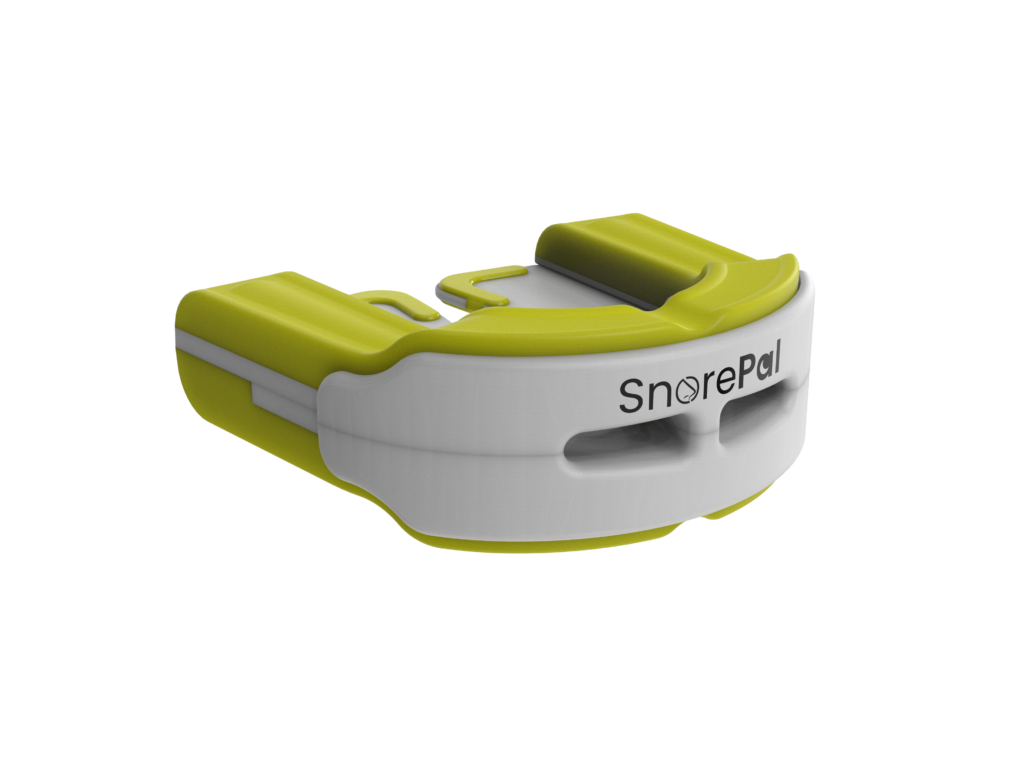
The Link Between Snoring, Sleep Quality, and Blood Pressure Control
The Impact of Sleep Quality on Blood Pressure
Quality sleep is crucial for maintaining normal blood pressure levels. During sleep, the body repairs and rejuvenates itself, including the cardiovascular system. When sleep is disrupted or inadequate, it can lead to an increase in blood pressure.
Furthermore, poor sleep quality can also affect the body’s ability to regulate stress hormones, which play a significant role in controlling blood pressure. Lack of sleep can cause an increase in the production of stress hormones, leading to an increase in blood pressure. Chronic sleep deprivation can also contribute to the development of hypertension.
Treating Sleep Apnea for Better Blood Pressure Control
The good news is that treating sleep apnea can have a positive impact on blood pressure control. Continuous positive airway pressure (CPAP) therapy is the most common treatment for sleep apnea. This treatment involves wearing a mask over the nose and mouth during sleep, which delivers a constant flow of air to keep the airway open.
Studies have shown that CPAP therapy can significantly reduce blood pressure levels in those with sleep apnea. In fact, a study published in the American Journal of Respiratory and Critical Care Medicine found that treating sleep apnea with CPAP therapy can lower blood pressure as effectively as taking medication.
Other lifestyle changes that can improve sleep quality and, in turn, control blood pressure include maintaining a healthy weight, avoiding alcohol and tobacco, and practicing relaxation techniques before bedtime.
In summary, snoring may seem like a harmless annoyance, but it could be a sign of a more serious sleep disorder – sleep apnea. This condition has been linked to high blood pressure, and the disruption of normal sleep patterns can also lead to an increase in blood pressure. Treating sleep apnea with CPAP therapy and making lifestyle changes can improve sleep quality and help control blood pressure.
In conclusion, snoring, sleep quality, and blood pressure control are all interconnected. Sleep apnea, a sleep disorder characterized by snoring, can lead to an increase in blood pressure, while poor sleep quality can also impact blood pressure levels. Treating sleep apnea and making lifestyle changes can improve sleep quality and ultimately help control blood pressure. It is essential to address snoring and sleep issues to maintain overall health and well-being.