
Sleep is an essential part of our daily routine, and the quality of our sleep can greatly impact our overall health and well-being. However, certain sleep disorders such as snoring and sleepwalking can disrupt our sleep and affect its quality. In this blog post, we will explore the link between snoring, sleepwalking, and sleep quality, and how we can improve our sleep for a better and healthier life.
Snoring is a common sleep disorder that affects approximately 90 million adults in the United States alone. It is characterized by loud, hoarse, or raspy sounds made during sleep due to the vibration of the soft tissues in the throat. While occasional snoring is normal, chronic snoring can be a sign of a more serious underlying issue. It is often associated with sleep apnea, a condition where the airway becomes partially or completely blocked during sleep, causing breathing pauses and disruptions in sleep.
One of the major effects of snoring is the disturbance of sleep quality. The loud noises can disrupt the sleep of both the snorer and their partner, leading to frequent awakenings and a decrease in the overall quality of sleep. This can result in daytime sleepiness, irritability, and difficulty concentrating, affecting one’s daily activities and productivity.
Moreover, snoring can also lead to sleep apnea, which has been linked to various health problems such as high blood pressure, heart disease, and stroke. Sleep apnea causes a decrease in oxygen levels during sleep, putting a strain on the heart and other organs. It can also lead to chronic fatigue, which can affect one’s quality of life and increase the risk of accidents and injuries.
On the other hand, sleepwalking, also known as somnambulism, is a parasomnia that affects approximately 4% of adults. It is characterized by walking or performing other activities while in a state of deep sleep. Although the exact cause of sleepwalking is still unknown, it is believed to be influenced by genetics, stress, and sleep deprivation.
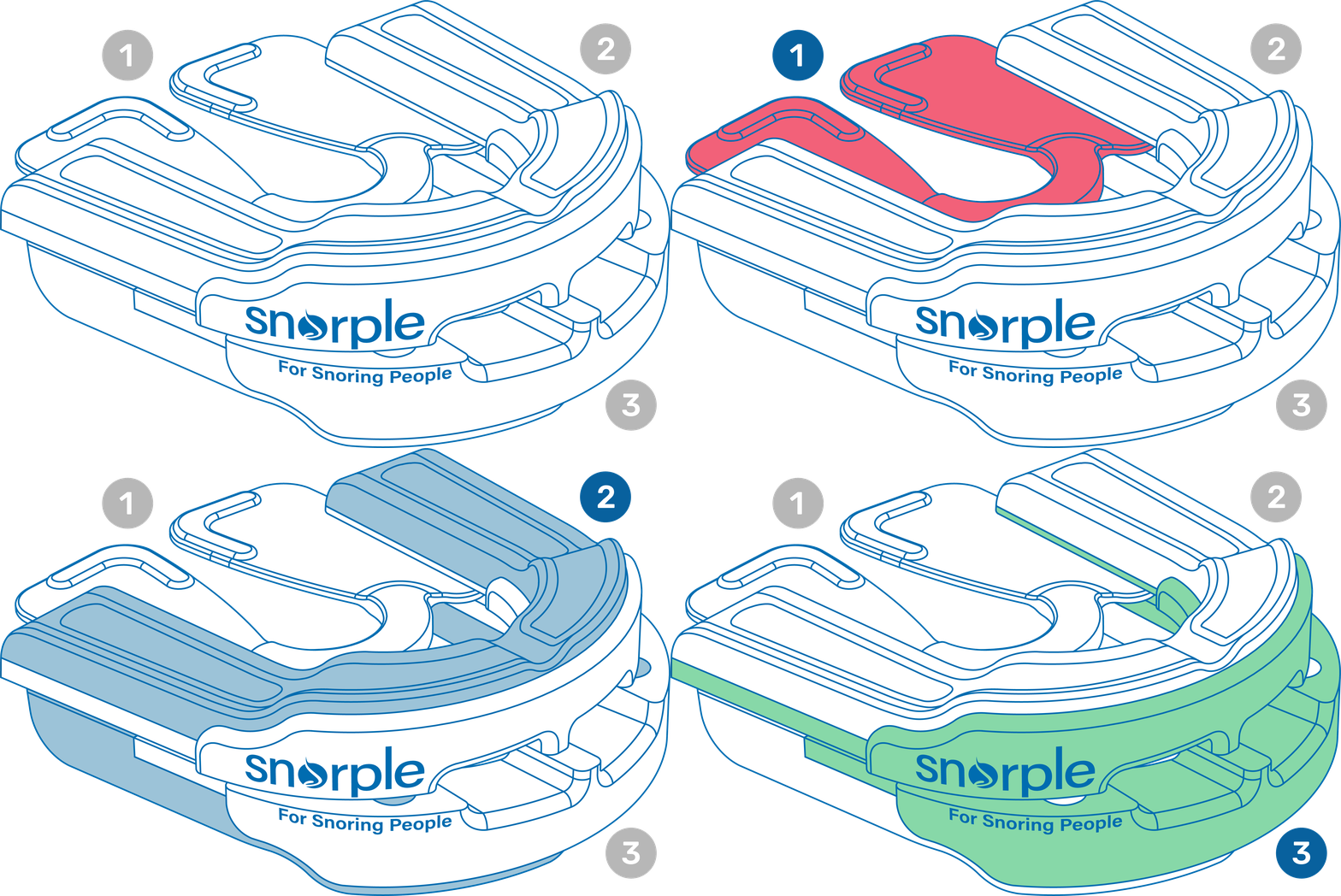
The Link Between Snoring, Sleepwalking, and Sleep Quality
Just like snoring, sleepwalking can also disrupt the quality of sleep. It often occurs during the deep stages of sleep, which are essential for rest and rejuvenation. Therefore, frequent sleepwalking episodes can lead to sleep deprivation, affecting one’s energy levels, mood, and overall health. Moreover, sleepwalking can also be dangerous, as the person may engage in potentially harmful activities such as driving or cooking while asleep.
Recent studies have also found a link between snoring, sleepwalking, and poor sleep quality. A study published in the Journal of Clinical Sleep Medicine found that sleepwalkers have a higher prevalence of snoring and sleep-disordered breathing compared to non-sleepwalkers. The study also showed that sleepwalkers had lower sleep quality and higher levels of daytime sleepiness.
So, how can we improve our sleep quality if we suffer from snoring or sleepwalking? The first step is to consult a doctor to determine the underlying cause of these sleep disorders. For snoring, lifestyle changes such as weight loss, quitting smoking, and avoiding alcohol before bedtime can help reduce snoring. In more severe cases, a continuous positive airway pressure (CPAP) machine may be recommended to keep the airway open during sleep.
For sleepwalking, creating a safe sleeping environment, following a consistent bedtime routine, and managing stress can help reduce episodes. In some cases, medication or cognitive-behavioral therapy may be recommended to address underlying issues that may contribute to sleepwalking.
In addition to seeking medical help, there are also some general tips that can help improve sleep quality for both snorers and sleepwalkers. These include maintaining a regular sleep schedule, limiting caffeine and heavy meals before bedtime, and creating a comfortable sleep environment.
In conclusion, snoring and sleepwalking may seem like harmless sleep disorders, but they can have a significant impact on sleep quality and overall health. It is essential to seek medical help and make lifestyle changes to address these disorders and improve sleep quality. Remember, a good night’s sleep is crucial for our physical and mental well-being, so don’t let snoring and sleepwalking affect your quality of life.