
Summary:
Snoring is a common issue that affects millions of people worldwide, disrupting their sleep and potentially causing other health complications. While snoring is often seen as a minor annoyance, it can actually be a symptom of a more serious underlying issue, such as TMJ disorder. TMJ disorder is a condition that affects the jaw joint and can cause a range of symptoms, including snoring. Additionally, both snoring and TMJ disorder can have a significant impact on your oral health. Fortunately, there is a solution that can help alleviate snoring, TMJ disorder, and improve your overall oral health – a mouthpiece.
In this blog post, we will explore the link between snoring, TMJ disorder, and your oral health, and how a mouthpiece can be an effective treatment option.
Understanding Snoring:
Snoring occurs when the tissues in the back of the throat relax and partially block the airway, causing vibrations and the characteristic snoring sound. This can happen due to various factors, such as obesity, allergies, alcohol consumption, and sleeping on your back. Snoring can also be a symptom of more serious conditions like sleep apnea, which is characterized by frequent pauses in breathing during sleep.
The Connection Between Snoring and TMJ Disorder:
TMJ disorder is a condition that affects the temporomandibular joint, which connects the jawbone to the skull. This joint is responsible for various movements, such as chewing, talking, and yawning. When there is an issue with the joint, it can cause pain, stiffness, and clicking sounds in the jaw. TMJ disorder can also lead to bruxism, a condition where a person unintentionally grinds or clenches their teeth, which can contribute to snoring.
How Snoring and TMJ Disorder Affect Your Oral Health:
The Link Between Snoring, TMJ, and Your Oral Health: How a Mouthpiece Can Help
Snoring and TMJ disorder can have a significant impact on your oral health. Snoring can cause dry mouth, which reduces the production of saliva, leading to an increased risk of tooth decay and gum disease. It can also put pressure on the teeth and lead to a misaligned bite. Similarly, TMJ disorder can cause teeth grinding and clenching, which can result in worn-down teeth, jaw pain, and headaches.
How a Mouthpiece Can Help:
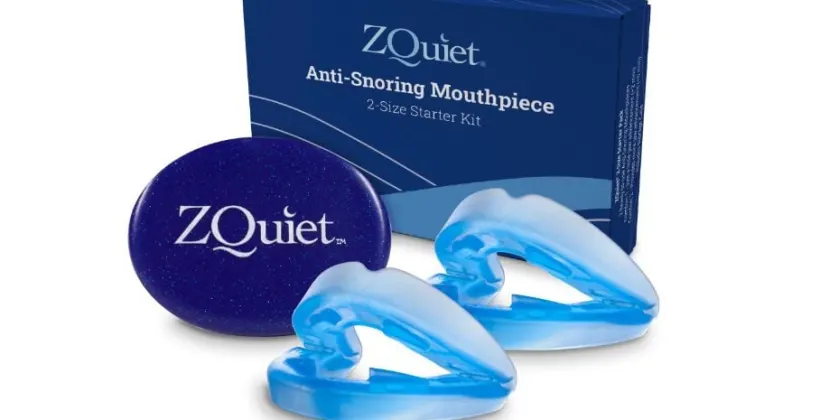
A mouthpiece, also known as a mandibular advancement device (MAD), is a custom-fitted oral appliance that is worn during sleep. It works by repositioning the jaw and tongue to keep the airway open, preventing snoring. Additionally, a mouthpiece can help with TMJ disorder by keeping the jaw in a relaxed position and reducing bruxism.
Benefits of Using a Mouthpiece:
Apart from treating snoring and TMJ disorder, using a mouthpiece can have several other benefits for your oral health. It can improve the alignment of the teeth and reduce the risk of tooth decay, gum disease, and jaw pain. It can also lead to better sleep, as snoring and TMJ disorder can disrupt sleep patterns and impact overall health and well-being.
Factors to Consider When Choosing a Mouthpiece:
When considering a mouthpiece, it is essential to consult with a dentist or a sleep specialist to determine the best option for your specific needs. A custom-fitted mouthpiece is recommended as it provides a better fit and is more comfortable to wear. It is also crucial to ensure that the mouthpiece is FDA-approved and made from high-quality materials.
In Conclusion:
Snoring and TMJ disorder are two common conditions that can have a significant impact on your oral health. A mouthpiece can be an effective treatment option for both of these issues, offering relief from snoring, TMJ disorder, and improving overall oral health. If you or a loved one is struggling with snoring or TMJ disorder, consider consulting with a dental professional to explore the option of using a mouthpiece.