
As we all know, stress is a common part of our daily lives. Whether it’s from work, relationships, or finances, stress can take a toll on our physical and mental well-being. One of the ways that stress can manifest itself is through sleep disturbances, including snoring. In this blog post, we will explore the link between stress, sleep, and snoring and how they are interconnected.
Stress and Insomnia
Stress and sleep have a bi-directional relationship, meaning that one can cause or exacerbate the other. Chronic stress can lead to insomnia, which is defined as difficulty falling or staying asleep. Insomnia can also manifest as early awakening, where the individual wakes up too early and is unable to fall back asleep. This lack of quality sleep can leave an individual feeling fatigued, irritable, and less able to cope with stressors.
According to a study by the American Psychological Association, stress can cause physical tension and arousal, making it harder for individuals to fall asleep. This tension can also affect the duration and quality of sleep, resulting in an overall decrease in sleep time. Additionally, stress can lead to racing thoughts and worry, making it challenging to relax and fall asleep. If these stressors persist, they can lead to chronic insomnia, which can have detrimental effects on one’s health.
Stress and Snoring
As mentioned earlier, stress can cause physical tension and arousal, which can result in snoring. Snoring occurs when the airway becomes partially obstructed, causing the tissues in the throat to vibrate and produce noise. This obstruction can be caused by various factors, including being overweight, nasal congestion, or anatomical abnormalities. However, stress can also play a significant role in snoring, as it can contribute to weight gain and inflammation in the airway, leading to snoring.
Moreover, stress can also lead to poor sleep quality, which can cause an individual to enter a deeper sleep than usual. This deeper sleep can cause the muscles in the throat to relax, leading to snoring. The combination of stress-induced physical tension and poor sleep quality can make snoring more prevalent and louder.
Sleep Apnea
Another common sleep disorder that is linked to stress is sleep apnea. Sleep apnea occurs when the airway becomes completely blocked, causing breathing to stop for a few seconds or minutes. This can lead to low oxygen levels in the body, which can have serious health consequences. Stress can contribute to sleep apnea by causing inflammation and weight gain, both of which can increase the likelihood of airway obstruction. Additionally, stress can also affect the body’s nervous system, which can have an impact on breathing patterns during sleep.
Stress Management and Sleep
As we have seen, stress can significantly impact one’s sleep and contribute to snoring and other sleep disorders. Therefore, managing stress is crucial for improving sleep quality and reducing snoring. Here are some tips for managing stress and promoting better sleep:
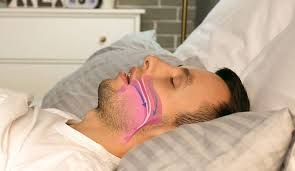
The Link Between Stress, Sleep, and Snoring
1. Exercise regularly: Regular physical activity can help reduce stress and improve sleep quality. It can also aid in maintaining a healthy weight, which can reduce snoring.
2. Practice relaxation techniques: Activities like yoga, meditation, and deep breathing can help reduce stress and promote relaxation, making it easier to fall asleep.
3. Maintain a consistent sleep schedule: Going to bed and waking up at the same time each day can help regulate the body’s internal clock and improve sleep quality.
4. Avoid caffeine, alcohol, and large meals before bedtime: These can all disrupt sleep and contribute to snoring.
5. Seek professional help: If stress and sleep disturbances are affecting your daily life, consult a therapist or doctor for help in managing stress and improving sleep.
In conclusion, stress, sleep, and snoring are all interconnected. Chronic stress can lead to insomnia, which can contribute to snoring and other sleep disorders. On the other hand, snoring and sleep apnea can also be caused or worsened by stress. Therefore, managing stress through healthy habits and seeking professional help when necessary is crucial for promoting better sleep and reducing snoring.
SEO metadata: