
Blog Post Title: The Mouthpiece Solution: Finding Relief from Snoring and Sleep Disorders
Snoring and sleep disorders can be a major hindrance to getting a good night’s rest. Not only can they disrupt your own sleep, but they can also disturb your partner or anyone else sharing a room with you. This can lead to fatigue, irritability, and a decrease in overall quality of life. Thankfully, there are solutions available to help alleviate these issues, including the use of mouthpieces.
What is a Mouthpiece?
A mouthpiece, also known as an oral appliance, is a device that is worn in the mouth while sleeping. It is designed to help keep the airway open and prevent the tongue and soft tissues from collapsing and blocking the airway, which is a common cause of snoring and sleep disorders. There are two main types of mouthpieces: mandibular advancement devices (MADs) and tongue retaining devices (TRDs).
MADs work by holding the lower jaw slightly forward, which helps to keep the airway open. TRDs, on the other hand, work by holding the tongue in a forward position to prevent it from falling back and blocking the airway. Both types of mouthpieces are effective in reducing snoring and improving sleep quality.
Benefits of Using a Mouthpiece
One of the main benefits of using a mouthpiece is that it is a non-invasive and non-surgical solution. This means that there is no need for any complicated procedures or recovery time. Additionally, mouthpieces are easy to use and can be custom-made to fit your mouth comfortably.
Another benefit is that they are portable and convenient. Unlike other treatments for snoring and sleep disorders, such as continuous positive airway pressure (CPAP) machines, mouthpieces are small and can easily be taken with you when traveling. This makes them a great option for those who are constantly on the go.
Finding the Right Mouthpiece for You
With so many mouthpiece options available on the market, it can be overwhelming to choose the right one for you. It is important to consult with a dentist or sleep specialist before purchasing a mouthpiece to ensure that it is the right fit for your specific needs.
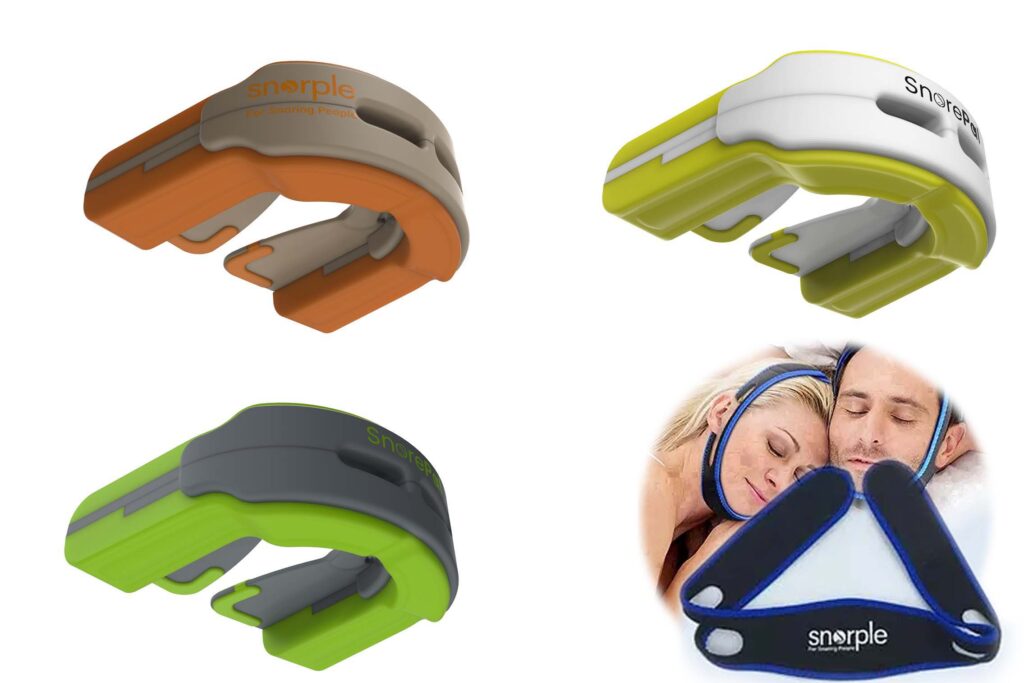
The Mouthpiece Solution: Finding Relief from Snoring and Sleep Disorders
Some factors to consider when choosing a mouthpiece include the severity of your snoring or sleep disorder, the shape and size of your mouth, and any other underlying medical conditions. A professional can help guide you towards the best option for your individual situation.
Tips for Using a Mouthpiece
Once you have selected a mouthpiece, it is important to properly use and maintain it for optimal results. Here are some tips to keep in mind:
1. Follow the instructions: Be sure to carefully read and follow the instructions provided by the manufacturer. This will help ensure that you are using the mouthpiece correctly.
2. Give it time: It may take some time to get used to wearing a mouthpiece while sleeping. It is important to be patient and give your body time to adjust.
3. Clean it regularly: To maintain its effectiveness and prevent any potential bacteria buildup, be sure to clean your mouthpiece regularly according to the manufacturer’s instructions.
4. Replace when necessary: Mouthpieces typically have a lifespan of 6-12 months. After this time, they may lose their shape and effectiveness, so be sure to replace them as needed.
5. Use in conjunction with healthy habits: While a mouthpiece can greatly improve snoring and sleep disorders, it is important to also maintain other healthy habits, such as maintaining a healthy weight, avoiding alcohol and sedatives before bed, and sleeping on your side instead of your back.
In Summary
Snoring and sleep disorders can be disruptive and have a negative impact on your overall well-being. However, with the use of a mouthpiece, you can find relief and improve your sleep quality. With its non-invasive nature, portability, and effectiveness, a mouthpiece is a great option for those looking to alleviate snoring and sleep disorders.