
Blog Post Title: The Surprising Connection Between Snoring and Heart Disease: How Anti-Snoring Aids Can Help
Summary:
Snoring is often dismissed as a mere nuisance, but recent studies have shown that it can actually be a warning sign for a serious health condition – heart disease. Snoring is a common symptom of obstructive sleep apnea, a sleep disorder where breathing repeatedly stops and starts during the night. This condition has been linked to an increased risk of heart disease, stroke, and other cardiovascular problems. Fortunately, there are a variety of anti-snoring aids available that can help reduce the risk of heart disease by improving sleep quality and preventing sleep apnea.
First, it’s important to understand how snoring and sleep apnea can lead to heart disease. When we sleep, our throat muscles relax and can block the airway, causing snoring. In cases of obstructive sleep apnea, the airway becomes completely blocked, leading to pauses in breathing and a drop in oxygen levels. This puts a strain on the heart, causing it to work harder to pump blood and increasing the risk of hypertension and other heart problems.
One of the most effective ways to reduce the risk of heart disease associated with snoring is to treat the underlying cause – sleep apnea. Continuous Positive Airway Pressure (CPAP) therapy is a common treatment for sleep apnea, which involves wearing a mask connected to a machine that delivers a constant stream of air to keep the airway open during sleep. While CPAP therapy has been proven to be effective, many people find it uncomfortable and have trouble sticking to the treatment.
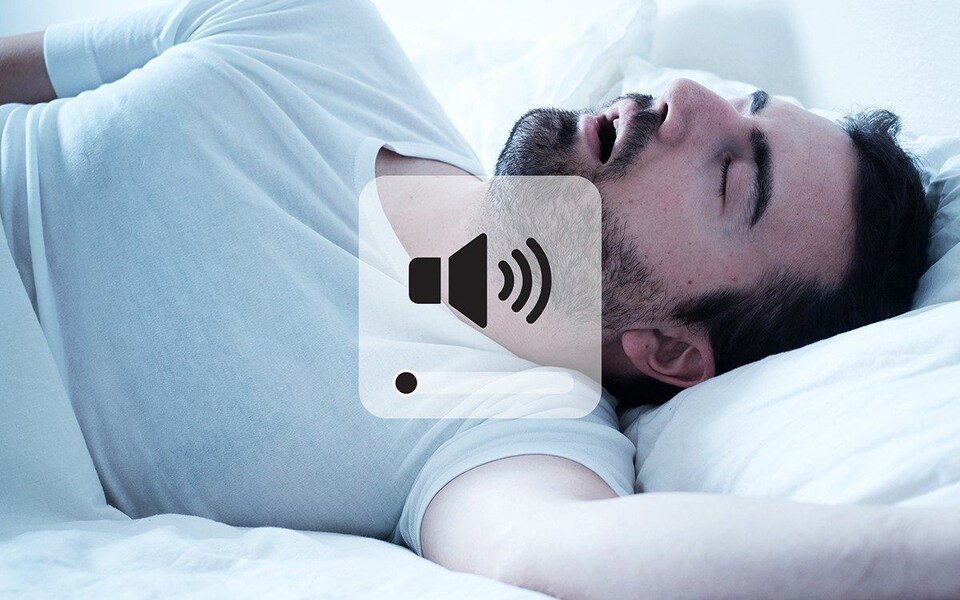
The Role of Anti-Snoring Aids in Reducing the Risk of Heart Disease
This is where anti-snoring aids come into play. These devices are designed to keep the airway open and prevent snoring without the use of a mask or machine. Some of the most popular anti-snoring aids include nasal strips, mouthpieces, and chin straps. Nasal strips, which are applied to the bridge of the nose, work by widening the nasal passages and improving airflow. Mouthpieces, on the other hand, work by repositioning the jaw to keep the airway open. Chin straps are designed to keep the mouth closed and encourage breathing through the nose, reducing the risk of snoring.
Another effective anti-snoring aid is the use of a wedge pillow. These pillows are designed to elevate the head and keep the airway open, making it easier to breathe and reducing the risk of snoring. Wedge pillows are also beneficial for those who suffer from acid reflux, which has been linked to both snoring and heart disease.
In addition to these aids, there are also lifestyle changes that can help reduce snoring and improve sleep quality. Maintaining a healthy weight, avoiding alcohol and sedatives before bedtime, and sleeping on your side rather than your back can all help reduce snoring and improve sleep apnea. Exercise has also been shown to be beneficial for reducing snoring and improving overall heart health.
It’s important to note that while these anti-snoring aids can help reduce the risk of heart disease, they should not replace medical treatment for sleep apnea. If you suspect that you or a loved one may have sleep apnea, it’s important to consult with a doctor for a proper diagnosis and treatment plan.
In conclusion, snoring may seem like a harmless habit, but it can actually be a warning sign for a serious health condition such as heart disease. By treating the underlying cause of snoring – sleep apnea – with the help of anti-snoring aids, we can reduce the risk of heart disease and improve overall health. Along with these aids, making lifestyle changes and seeking medical treatment can greatly benefit those who suffer from snoring and sleep apnea.