
Blog Post:
Snoring is a common issue that affects millions of people worldwide. Not only can it disrupt the sleep of the snorer, but it can also cause disturbance for their partners or roommates. While most people consider snoring to be a mere annoyance, it can actually be a symptom of a more serious condition known as sleep apnea. This is where dentistry plays a crucial role in treating snoring, using appliances specifically designed to alleviate the issue.
But first, let’s understand what snoring is and why it occurs. Snoring is a result of vibration in the airway while breathing during sleep. This vibration is caused by the relaxation of the muscles in the throat, which then causes the surrounding tissues to narrow and partially block the airway. When air passes through this narrowed space, it creates the snoring sound.
There are various factors that can contribute to snoring, including obesity, nasal congestion, smoking, alcohol consumption, and sleeping position. However, one of the most common causes of snoring is anatomic abnormalities in the mouth and throat, such as a large tongue, enlarged tonsils, or a deviated septum. This is where dentistry comes in, as dentists are trained to identify and treat these abnormalities to reduce snoring.
One of the most effective ways that dentistry can help treat snoring is through the use of oral appliances. These are custom-made devices that are worn in the mouth while sleeping to reposition the jaw and tongue, opening up the airway and preventing snoring. These appliances work by holding the jaw in a forward position, which keeps the tongue from falling back and blocking the airway.
There are different types of oral appliances available, but the most common ones are mandibular advancement devices (MADs) and tongue retaining devices (TRDs). MADs work by pushing the lower jaw forward, while TRDs hold the tongue in a slightly protruded position to prevent it from falling back. Both of these appliances are effective in treating snoring, and the choice between them depends on the individual’s specific needs and preferences.
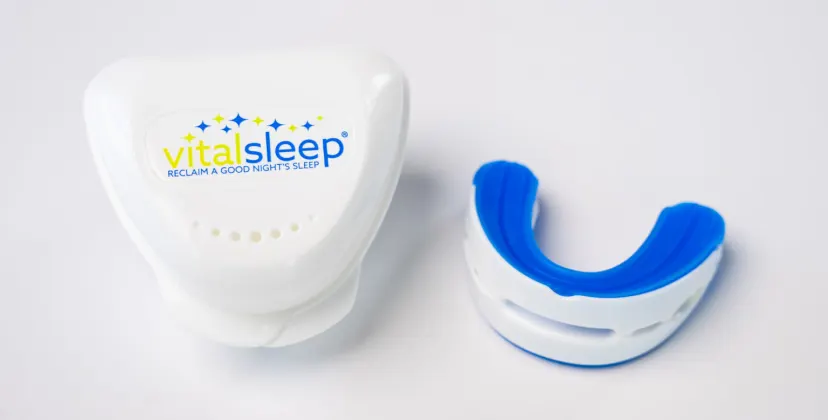
The Role of Dentistry in Treating Snoring with Appliances
Apart from treating snoring, oral appliances can also provide relief for those suffering from sleep apnea. Sleep apnea is a condition where the airway repeatedly collapses during sleep, leading to pauses in breathing and disruptions in sleep. Oral appliances have been found to be an effective alternative treatment for those who cannot tolerate continuous positive airway pressure (CPAP) therapy, which is the most commonly prescribed treatment for sleep apnea.
In addition to oral appliances, dentistry can also help in treating snoring through various dental procedures. One such procedure is orthodontic treatment, which can help improve the alignment of the teeth and jaws. This can help open up the airway and reduce snoring in some cases. Another procedure is the removal of tonsils and adenoids, which can be a cause of snoring in some individuals.
It is crucial to note that not all snoring can be treated with oral appliances or dental procedures. In some cases, snoring can be a symptom of a more serious condition, such as obstructive sleep apnea. Therefore, it is essential to consult a dentist or a sleep specialist to determine the underlying cause of snoring before deciding on a treatment plan.
In conclusion, dentistry plays a crucial role in treating snoring by identifying and addressing anatomic abnormalities in the mouth and throat. Oral appliances and dental procedures can effectively reduce snoring, providing relief for both the snorer and their partner or roommate. However, it is essential to consult a professional to determine the underlying cause of snoring and find the most suitable treatment plan.
Summary:
Snoring is a common issue caused by the vibration of tissues in the airway while sleeping. It can be a symptom of a more serious condition, such as sleep apnea. Dentistry plays a crucial role in treating snoring by using oral appliances to reposition the jaw and tongue, opening up the airway and preventing snoring. These appliances are also effective in treating sleep apnea and can be used in conjunction with dental procedures such as orthodontic treatment or removal of tonsils and adenoids. It is crucial to consult a professional to determine the underlying cause of snoring before deciding on a treatment plan.