
Snoring is a common issue that affects millions of people around the world. It not only disrupts the sleep of the person snoring but also their partner and anyone else in the vicinity. While snoring may seem like a minor annoyance, it can actually have serious consequences on one’s health and well-being. Luckily, there are various ways to prevent snoring, and one of the most effective methods is by staying hydrated.
Yes, you read that right – hydration plays a crucial role in stopping snoring. In this blog post, we will explore the connection between hydration and snoring, and provide tips on how to stay hydrated for a quieter night’s sleep.
What Causes Snoring?
Before we dive into the role of hydration, it is important to understand what causes snoring in the first place. Snoring occurs when the airway is partially blocked, causing vibrations in the throat tissues. This blockage can be due to various factors such as the position of your tongue, excess weight, alcohol consumption, and nasal congestion.
How Does Hydration Affect Snoring?
When the body is dehydrated, the secretions in the nose and throat become thick and sticky. This makes it difficult for air to pass through, leading to snoring. Additionally, dehydration can also cause nasal congestion, which further contributes to snoring.
On the other hand, when the body is properly hydrated, the secretions in the nose and throat are thin and clear, allowing for smooth airflow and reducing the chances of snoring. Moreover, staying hydrated also helps to keep the nasal passages moist, preventing congestion.
Tips for Staying Hydrated for a Quieter Night’s Sleep
Now that we understand the link between hydration and snoring, here are some tips to help you stay hydrated and reduce snoring:
1. Drink Enough Water Throughout the Day
The first and most obvious tip is to drink enough water throughout the day. The recommended daily intake of water for adults is around 8-10 glasses. However, this may vary depending on factors such as climate, physical activity, and overall health. It is important to listen to your body and drink water whenever you feel thirsty.
2. Avoid Dehydrating Beverages
Certain beverages like alcohol, caffeinated drinks, and sugary drinks can cause dehydration. It is best to limit or avoid these beverages, especially before bedtime, to prevent snoring.
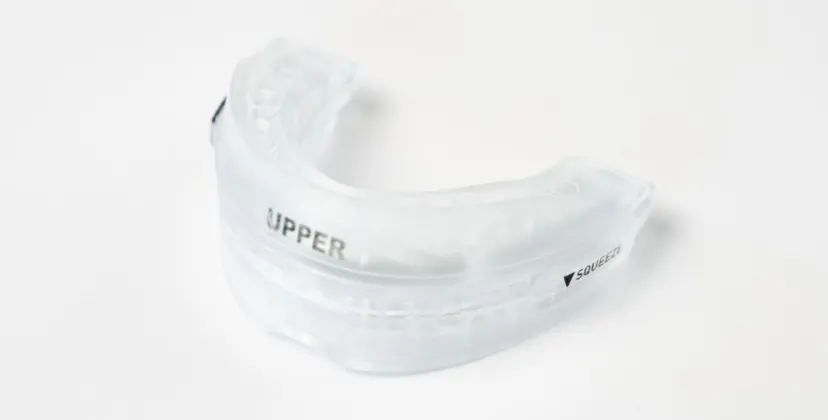
The Role of Hydration in Stopping Snoring: How to Stay Hydrated for a Quieter Night's Sleep
3. Use a Humidifier
Dry air can also contribute to dehydration and snoring. Using a humidifier in your bedroom can help to keep the air moist, making it easier to breathe and reducing snoring.
4. Eat Hydrating Foods
In addition to drinking water, you can also increase your hydration levels by eating foods with high water content. Fruits and vegetables like watermelon, cucumber, and celery are great options to include in your diet.
5. Stay Hydrated During Exercise
Physical activity can cause the body to lose water through sweat, so it is important to stay hydrated before, during, and after exercise. Make sure to drink water before and after your workout and take regular sips of water during your workout.
6. Keep a Water Bottle by Your Bedside
Having a water bottle by your bedside can serve as a reminder to stay hydrated throughout the night. Whenever you wake up, take a sip of water to keep your throat and nasal passages moist.
Other Benefits of Staying Hydrated
Aside from reducing snoring, staying hydrated also has numerous other benefits for your overall health. It helps to regulate body temperature, aids in digestion, improves skin health, and helps to flush out toxins from the body.
Conclusion
In conclusion, staying hydrated is essential for a quieter night’s sleep. Dehydration can cause the airway to become blocked, leading to snoring, while proper hydration can help to keep the airway clear and reduce snoring. By following the tips mentioned above and making hydration a priority, you can improve your sleep quality and overall health.
So next time you reach for that glass of water, remember that you are not only quenching your thirst but also reducing the chances of snoring and promoting a good night’s sleep.