
The Role of Nasal Dilators in Managing Snoring and Sleep Apnea
Snoring and sleep apnea are common sleep disorders that can impact the quality of sleep and overall health of an individual. While there are various treatment options available, nasal dilators have gained popularity in recent years as a non-invasive and effective solution for managing snoring and sleep apnea. In this blog post, we will discuss the role of nasal dilators in managing these sleep disorders, how they work, and their effectiveness in improving sleep and overall well-being.
Understanding Snoring and Sleep Apnea
Snoring is a common condition that occurs when the flow of air through the nose and mouth is obstructed, causing vibrations in the throat tissues. This can happen due to a variety of reasons such as excess weight, alcohol consumption, allergies, and structural issues in the nose or throat. While occasional snoring may not be a cause for concern, chronic snoring can lead to sleep disruptions and fragmented sleep, leading to daytime fatigue and irritability.
On the other hand, sleep apnea is a more serious condition where breathing is interrupted during sleep due to a complete or partial obstruction in the airway. This can happen multiple times throughout the night, causing brief pauses in breathing and lowering the oxygen levels in the body. If left untreated, sleep apnea can increase the risk of heart disease, stroke, and other health issues.
The Role of Nasal Dilators
Nasal dilators are small devices that are inserted into the nostrils to help keep the airway open during sleep. They come in various shapes and sizes and can be made of silicone, plastic, or metal. These devices work by gently opening up the nasal passages and increasing airflow, reducing the resistance to breathing and preventing snoring and sleep apnea.
Types of Nasal Dilators
There are two main types of nasal dilators – external and internal. External nasal dilators are placed on the outside of the nose and are often made of adhesive strips that hold the nostrils open. These are relatively inexpensive and readily available over-the-counter. Internal nasal dilators, on the other hand, are inserted into the nostrils and are designed to keep the nasal passages open from the inside. These are often made of soft, flexible materials and can be reusable or disposable.
Effectiveness of Nasal Dilators
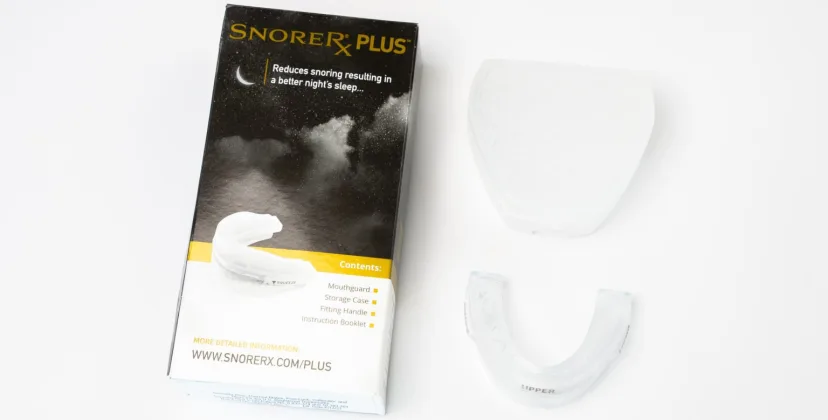
The Role of Nasal Dilators in Managing Snoring and Sleep Apnea
Numerous studies have shown that nasal dilators can be an effective treatment option for managing snoring and sleep apnea. A study published in the Journal of Clinical Sleep Medicine found that the use of external nasal dilators significantly reduced snoring and improved sleep quality in participants. Another study published in the Journal of Sleep Medicine and Disorders reported that internal nasal dilators were effective in reducing the severity of sleep apnea in patients.
Nasal dilators are also a popular choice among athletes and individuals with allergies or nasal congestion. A study published in the Journal of Sports Science and Medicine found that nasal dilators improved nasal breathing and airflow, which can enhance athletic performance. Additionally, a study published in the European Annals of Allergy and Clinical Immunology reported that internal nasal dilators improved nasal breathing and reduced congestion in patients with allergic rhinitis.
Benefits of Using Nasal Dilators
Aside from managing snoring and sleep apnea, there are other benefits of using nasal dilators. These include:
1. Non-invasive: Nasal dilators are a non-invasive solution for managing sleep disorders, making them a popular choice among those who prefer not to use medications or undergo surgery.
2. Portable: Nasal dilators are small, lightweight, and easy to carry, making them convenient for travel or use at home.
3. Cost-effective: Compared to other treatment options, nasal dilators are relatively affordable and do not require ongoing costs like medications or doctor visits.
4. No side effects: Nasal dilators do not have any known side effects, making them a safe option for most individuals.
5. Improved sleep quality: By reducing snoring and sleep apnea, nasal dilators can improve the quality of sleep and reduce daytime fatigue and irritability.
In summary, nasal dilators can be an effective and non-invasive solution for managing snoring and sleep apnea. They work by opening up the nasal passages, increasing airflow, and reducing resistance to breathing. Numerous studies have shown their effectiveness in improving sleep quality and reducing the severity of sleep disorders. Additionally, they are portable, cost-effective, and have no known side effects, making them a popular choice among individuals looking for a natural and convenient solution.