
Blog Post:
Sleep apnea and snoring are two common sleep disorders that affect millions of people worldwide. Both conditions can significantly impact a person’s quality of sleep, leading to daytime fatigue, irritability, and other health issues. Fortunately, there are various treatment options available to help alleviate these problems, including the use of nasal strips.
Nasal strips, also known as nasal dilators, are small adhesive strips placed on the nose to open up the nasal passages. These strips are commonly used to help improve breathing for individuals with nasal congestion due to allergies or a deviated septum. However, they have also gained popularity as a non-invasive treatment for sleep apnea and snoring.
In this blog post, we will discuss the role of nasal strips in treating sleep apnea and snoring, their effectiveness, and other essential information that you should know before considering this treatment option.
What is Sleep Apnea and Snoring?
Sleep apnea is a sleep disorder characterized by repeated pauses in breathing during sleep. These pauses can last for a few seconds to a few minutes and can occur multiple times throughout the night. The most common type of sleep apnea is obstructive sleep apnea (OSA), where the airway becomes blocked, leading to breathing difficulties.
On the other hand, snoring is a sleep disorder that involves noisy breathing during sleep. It occurs when the tissues in the throat vibrate, causing the sound we commonly associate with snoring. Snoring can be a symptom of sleep apnea, but not all snorers have sleep apnea.
The Role of Nasal Strips in Treating Sleep Apnea and Snoring
Nasal strips work by gently lifting and widening the nasal passages, allowing for better airflow through the nose. This increased airflow can help alleviate snoring and improve breathing for individuals with sleep apnea. However, nasal strips do not treat the underlying cause of these sleep disorders; they only provide temporary relief.
Effectiveness of Nasal Strips
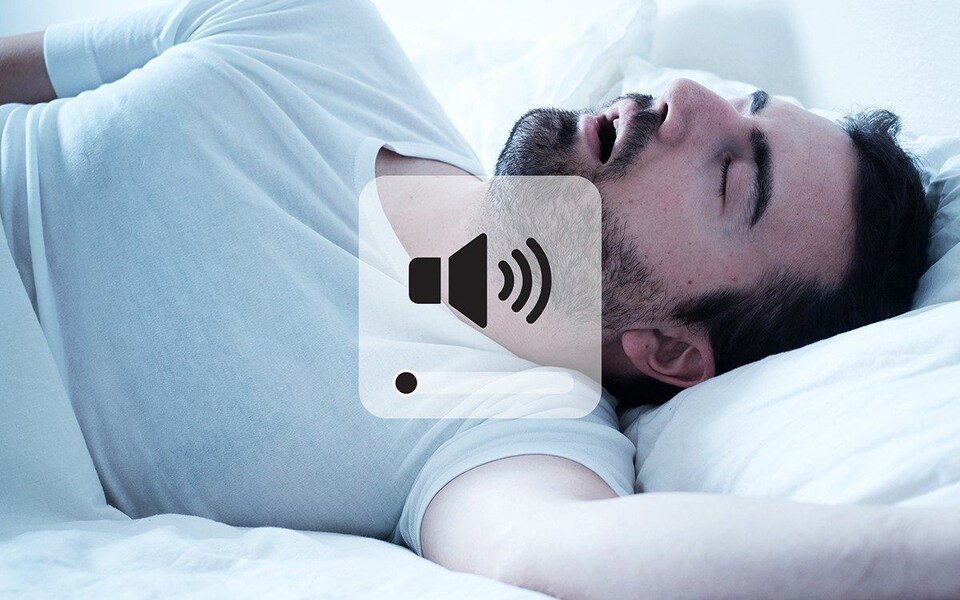
The Role of Nasal Strips in Treating Sleep Apnea and Snoring
The effectiveness of nasal strips in treating sleep apnea and snoring is a topic of debate among medical professionals. Some studies have shown that nasal strips can reduce snoring and improve breathing for people with mild to moderate sleep apnea. However, for severe cases of sleep apnea, nasal strips may not be as effective.
It is essential to note that nasal strips may not work for everyone. The cause of sleep apnea and snoring can vary, and nasal strips only address issues related to nasal congestion. If the breathing difficulties are caused by other factors, such as a blocked airway or weak throat muscles, nasal strips may not provide significant relief.
Other Considerations for Using Nasal Strips
Before using nasal strips, it is crucial to consult with a medical professional, especially if you have been diagnosed with sleep apnea. They can determine if nasal strips are suitable for your condition and if they should be used alongside other treatments.
Additionally, individuals with sensitive skin may experience skin irritation or discomfort from using nasal strips. It is essential to follow the instructions carefully and remove the strips gently to avoid any skin issues.
Other Treatment Options for Sleep Apnea and Snoring
While nasal strips may provide relief for some individuals, they are not a cure for sleep apnea and snoring. If you have been diagnosed with sleep apnea, it is essential to seek treatment from a medical professional. They may recommend other treatment options, such as continuous positive airway pressure (CPAP) therapy, oral devices, or surgery, depending on the severity of your condition.
For snoring, lifestyle changes may also help reduce symptoms. These include maintaining a healthy weight, avoiding alcohol and sedatives before bed, and sleeping on your side.
In conclusion, nasal strips can be a helpful tool in managing sleep apnea and snoring, but they are not a substitute for medical treatment. It is essential to consult with a healthcare professional and explore other options for long-term relief from these sleep disorders. Nasal strips may provide temporary relief, but treating the underlying cause is crucial for improving overall sleep quality and health.
Summary:
Sleep apnea and snoring are two common sleep disorders that can significantly impact a person’s quality of sleep. Nasal strips, also known as nasal dilators, have gained popularity as a non-invasive treatment option for these disorders. They work by opening up the nasal passages and improving airflow, but they do not treat the underlying cause. Nasal strips may be effective for mild to moderate cases, but they may not work for severe sleep apnea. It is essential to consult with a medical professional before using nasal strips and to explore other treatment options for long-term relief.