
Blog Post Summary:
Snoring is a common problem that affects many people, but did you know that it could be a sign of a more serious condition called sleep apnea? Sleep apnea is a sleep disorder that causes interruptions in breathing during sleep, and it is often linked to enlarged tonsils. In this blog post, we will explore the role of sleep apnea in snoring and enlarged tonsils, and what you need to know to address these issues.
First, we will discuss what sleep apnea is and how it relates to snoring. Sleep apnea occurs when the muscles in the throat relax too much, causing the airway to become blocked. This leads to pauses in breathing and loud snoring as the body tries to force air through the obstruction. Snoring is a common symptom of sleep apnea, but not everyone who snores has the disorder. However, it is important to recognize the warning signs of sleep apnea and seek medical help if necessary.
Next, we will dive into the connection between sleep apnea and enlarged tonsils. Tonsils are small glands located at the back of the throat that help fight off infections. However, when they become enlarged, they can block the airway and contribute to sleep apnea. This is especially common in children, as their tonsils tend to be larger than those of adults. If your child snores or has trouble breathing at night, it is important to have their tonsils checked by a doctor.
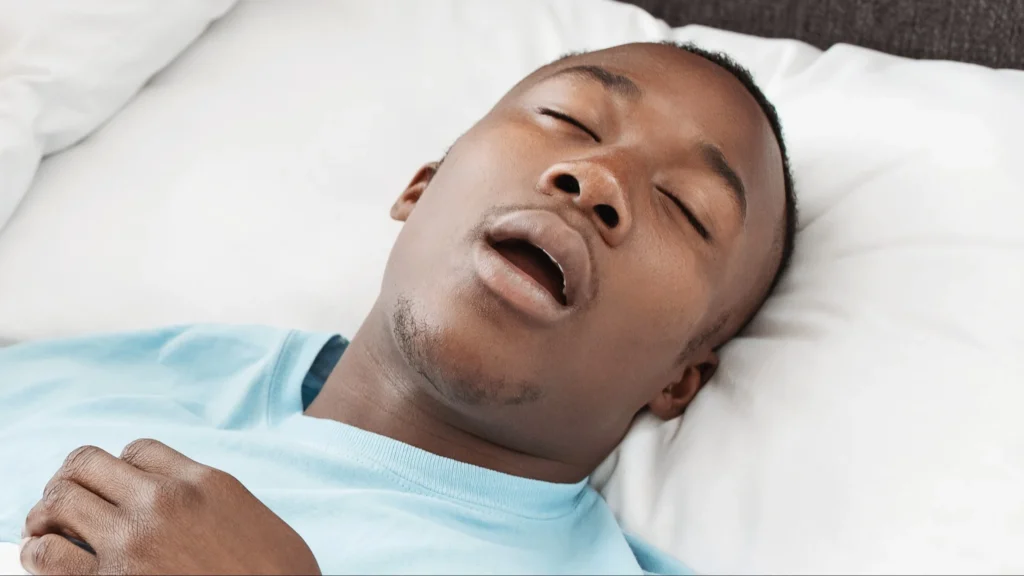
The Role of Sleep Apnea in Snoring and Enlarged Tonsils: What You Need to Know
We will also discuss how to identify and treat enlarged tonsils. If you or your child are experiencing symptoms of sleep apnea, your doctor may recommend a sleep study to diagnose the condition. If enlarged tonsils are the cause, a tonsillectomy (surgical removal of the tonsils) may be recommended. This procedure has a high success rate in improving sleep apnea and reducing snoring.
In addition to medical treatment, there are also lifestyle changes that can help manage sleep apnea and snoring. Maintaining a healthy weight, avoiding alcohol and sedatives before bed, and sleeping on your side instead of your back are all ways to reduce the severity of sleep apnea and snoring. It is also important to practice good sleep hygiene, such as keeping a consistent sleep schedule and creating a comfortable sleep environment.
Finally, we will discuss the potential risks of untreated sleep apnea and enlarged tonsils. Sleep apnea has been linked to a variety of health issues, including high blood pressure, heart disease, and stroke. In children, it can also affect their growth and development. It is essential to address these conditions to prevent potentially serious consequences.
In conclusion, snoring and enlarged tonsils can be signs of sleep apnea, a sleep disorder that can have serious health implications if left untreated. If you or your child are experiencing symptoms, it is important to seek medical attention and get a proper diagnosis. With proper treatment and lifestyle changes, sleep apnea and snoring can be managed, leading to improved sleep and overall health.