
Sleep is an essential part of our daily routine and has a significant impact on our overall health. However, for some people, sleep can be disrupted by snoring and enlarged tonsils. These two issues are often interlinked and can have a detrimental effect on our sleep quality. In this blog post, we will explore the role of sleep position in snoring and enlarged tonsils and provide 42 solutions to help improve these conditions.
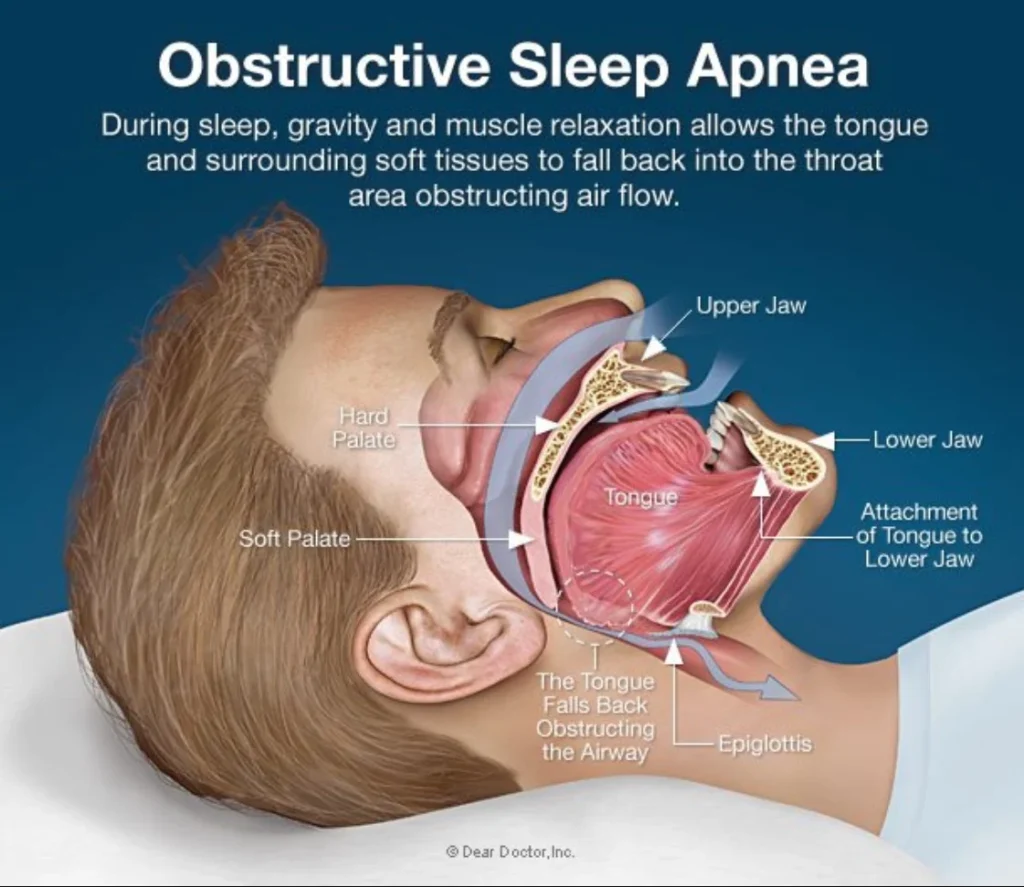
Snoring is a common problem that affects approximately 90 million adults in the United States alone. It occurs when the airway is partially blocked, causing vibrations in the throat tissues, resulting in the snoring sound. One of the major contributing factors to snoring is the position in which we sleep. Sleeping on your back can cause the tongue to fall back and obstruct the airway, leading to snoring. This is because the back of the tongue and soft palate can collapse into the throat, causing a partial blockage. This blockage leads to the snoring sound, which can be disruptive to both the snorer and their partner.
To reduce snoring caused by sleeping on your back, one solution is to try sleeping on your side. This position can help keep the tongue and soft palate in place, preventing them from obstructing the airway. Additionally, elevating your head with an extra pillow can also help alleviate snoring. This elevated position can help keep the airways open, reducing the likelihood of snoring.
Another factor that can contribute to snoring and enlarged tonsils is obesity. Excess weight can cause fatty tissues to accumulate around the neck and throat, leading to a narrower airway. This can make it more difficult for air to pass through, resulting in snoring. Maintaining a healthy weight through a balanced diet and regular exercise can help reduce snoring and improve overall health.
Enlarged tonsils can also play a significant role in snoring. Tonsils are lymphoid tissue located at the back of the throat and are part of the immune system. However, when they become enlarged, they can block the airway and cause snoring. This is more common in children, as their tonsils are larger in proportion to their airway. In some cases, enlarged tonsils may require surgical removal to improve breathing and reduce snoring.
However, surgery is not the only solution for enlarged tonsils. Changing sleep positions can also help alleviate this issue. Sleeping on your side or elevating your head can prevent the enlarged tonsils from blocking the airway, reducing snoring. Additionally, using a humidifier in the bedroom can also help keep the airways moist and reduce inflammation of the tonsils.
In some cases, snoring and enlarged tonsils can be caused by underlying medical conditions such as sleep apnea or allergies. Sleep apnea is a sleep disorder where the airway collapses, causing interruptions in breathing during sleep. This can lead to snoring and disrupted sleep. Allergies, on the other hand, can cause inflammation and congestion in the nose and throat, leading to snoring. Consulting a doctor to address these underlying conditions can help improve snoring and enlarged tonsils.
The Role of Sleep Position in Snoring and Enlarged Tonsils: 42 Solutions
Aside from sleep position, there are other solutions to reduce snoring and enlarged tonsils. One of them is using a mouthpiece or oral appliance. These devices work by keeping the tongue and jaw in a forward position, preventing the airway from being blocked. They can be custom-made by a dentist or purchased over-the-counter. However, it is essential to consult with a doctor before using any oral appliance to ensure it is the right fit for your needs.
Nasal strips and sprays can also help alleviate snoring and enlarged tonsils caused by congestion or allergies. Nasal strips work by opening up the nasal passages, allowing for easier breathing. Nasal sprays, on the other hand, can help reduce inflammation and congestion in the nose and throat. However, it is important to consult with a doctor before using any nasal products, as they may have side effects or interact with other medications.
For individuals with allergies, avoiding triggers such as dust, pollen, and pet dander can also help reduce snoring and enlarged tonsils. Using allergy-proof bedding and regularly cleaning the bedroom can also help reduce exposure to these triggers.
In some cases, snoring and enlarged tonsils can be improved through simple lifestyle changes. Avoiding alcohol and sedatives before bedtime can help reduce snoring, as they can relax the throat muscles and cause the airway to collapse. Smoking can also contribute to snoring and enlarged tonsils, as it can irritate the throat and cause inflammation. Quitting smoking can help improve overall health and reduce snoring.
For more severe cases, surgery may be necessary to address snoring and enlarged tonsils. Tonsillectomy is the surgical removal of the tonsils and is often recommended for individuals with chronic or severe snoring caused by enlarged tonsils. Uvulopalatopharyngoplasty (UPPP) is another surgical option that involves removing excess tissue in the throat to reduce snoring. However, these surgeries are not without risks and should be thoroughly discussed with a doctor.
In summary, sleep position plays a critical role in snoring and enlarged tonsils. Sleeping on your back can cause the tongue and soft palate to obstruct the airway, leading to snoring. Changing sleep positions, maintaining a healthy weight, and addressing underlying medical conditions can help reduce snoring and enlarged tonsils. Additionally, using devices such as mouthpieces, nasal strips, and sprays, and making lifestyle changes can also provide relief. In severe cases, surgery may be necessary, but it should only be considered after consulting with a doctor.
In conclusion, snoring and enlarged tonsils can significantly impact our sleep quality and overall health. However, with the 42 solutions provided, there are options to help alleviate these issues. It is essential to find the right solution that works for you and to consult with a doctor before making any significant changes to your sleep routine.