
Summary:
CPAP (Continuous Positive Airway Pressure) machines have become a popular and effective treatment for snoring and sleep apnea. But how exactly do these machines work and why are they so effective? In this blog post, we will dive into the science behind CPAP machines and how they help alleviate snoring and sleep apnea.
First, we will discuss the causes of snoring and sleep apnea. Snoring is caused by a narrowing or obstruction of the airway, leading to vibrations in the throat tissues. Sleep apnea, on the other hand, is a more serious condition where the airway becomes completely blocked, causing pauses in breathing during sleep. Both of these conditions can have negative effects on one’s health and quality of life.
Next, we will explore the mechanics of a CPAP machine. These machines consist of a mask that covers the nose and mouth, a tube, and a motorized unit that pumps air through the tube and into the mask. The air pressure created by the machine helps to keep the airway open, preventing snoring and sleep apnea. The pressure is typically prescribed by a doctor based on the severity of the condition.
One of the key components of a CPAP machine is the continuous positive airway pressure, or CPAP, which gives the machine its name. This pressure is crucial in keeping the airway open and preventing obstructions. The pressure is created by the motorized unit, which draws in air and delivers it at a constant pressure. The pressure is strong enough to keep the airway open, but not so strong as to cause discomfort.
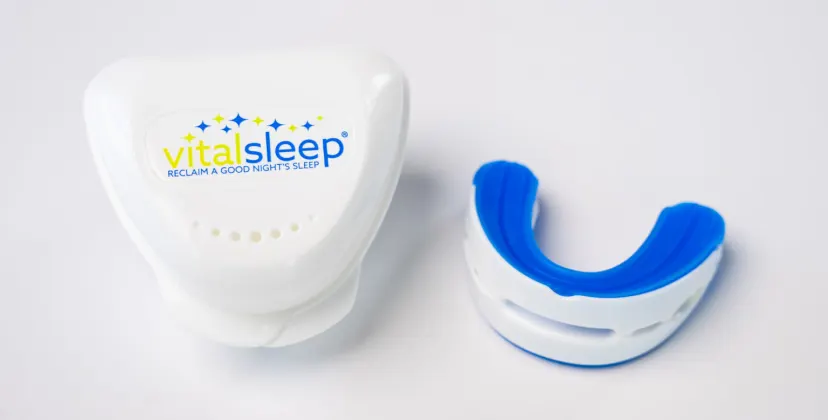
The Science Behind CPAP Machines for Snoring Treatment
Another important aspect of CPAP machines is the mask. The mask is designed to fit securely over the nose and mouth, creating a seal to prevent air from escaping. This ensures that the air pressure is delivered directly to the airway and not lost through leaks. There are various types of masks available, including nasal masks, full-face masks, and nasal pillows, allowing for a personalized and comfortable fit for each individual.
Now let’s explore the science behind how CPAP machines help alleviate snoring and sleep apnea. The air pressure delivered by the machine acts as a splint, keeping the airway open and preventing it from collapsing. This is especially beneficial for sleep apnea sufferers, as the airway is prone to collapse during sleep, causing pauses in breathing. The constant pressure from the CPAP machine helps to keep the airway open, allowing for uninterrupted breathing.
Moreover, CPAP machines also help to improve the quality of sleep. Snoring and sleep apnea can disrupt the normal sleep cycle, leading to a lack of restful and restorative sleep. By keeping the airway open and reducing interruptions in breathing, CPAP machines allow for a more restful and deep sleep, leading to increased energy and alertness during the day.
In addition to improving sleep quality, CPAP machines also have numerous health benefits. Sleep apnea has been linked to various health issues such as high blood pressure, heart disease, and stroke. By alleviating sleep apnea, CPAP machines can help to reduce the risk of these health problems. They can also improve symptoms of daytime fatigue, headaches, and mood disorders that are often associated with sleep apnea.
Furthermore, CPAP machines have been proven to be effective in reducing snoring. As mentioned earlier, snoring is caused by a narrowing or obstruction of the airway. By keeping the airway open, CPAP machines eliminate the cause of snoring, resulting in a quieter and more peaceful sleep for both the user and their partner.
In conclusion, CPAP machines are an effective and scientifically-backed treatment for snoring and sleep apnea. Through the use of continuous positive airway pressure, these machines help to keep the airway open, preventing obstructions and improving sleep quality. They also have numerous health benefits and can significantly improve one’s overall well-being. If you or a loved one suffers from snoring or sleep apnea, consider discussing CPAP therapy with a doctor.