
Mouthguards are commonly used in sports to protect the teeth and prevent injury. However, there is another important use for mouthguards – to help with snoring and sleep apnea. Snoring is a common problem that affects millions of people worldwide, and can have serious consequences on one’s health and quality of life. In this blog post, we will explore the science behind mouthguards and snoring, and what you need to know about this effective treatment option.
What is Snoring?
Snoring is the sound produced when air is obstructed while breathing during sleep. This can be caused by a variety of factors, such as the narrowing of the airway, relaxation of the throat muscles, or blockages in the nasal passages. When these factors disrupt the normal flow of air, it can lead to vibrations in the throat, resulting in the familiar snoring sound.
While occasional snoring may not be a cause for concern, chronic snoring can be a sign of a more serious condition known as sleep apnea. Sleep apnea is a sleep disorder in which breathing repeatedly stops and starts during sleep. This can lead to a lack of oxygen in the body, causing disruptions in sleep and potential health issues.
The Relationship Between Mouthguards and Snoring
Mouthguards are custom-made oral appliances that are worn over the teeth to protect them from injury. They are commonly used in sports such as football, hockey, and boxing. However, they can also be utilized to treat snoring and sleep apnea. How does a mouthguard help with snoring?
Firstly, a mouthguard works by keeping the airway open and preventing obstructions that can cause snoring. It works by positioning the lower jaw slightly forward, which helps to improve the flow of air through the throat. This helps to reduce the vibrations that cause snoring and can also prevent the tongue from falling back and blocking the airway.
Secondly, a mouthguard can also help with sleep apnea by keeping the airway open and preventing episodes of breathing cessation. This is especially beneficial for those with mild to moderate sleep apnea.
Types of Mouthguards for Snoring
There are three main types of mouthguards that can be used to treat snoring and sleep apnea:
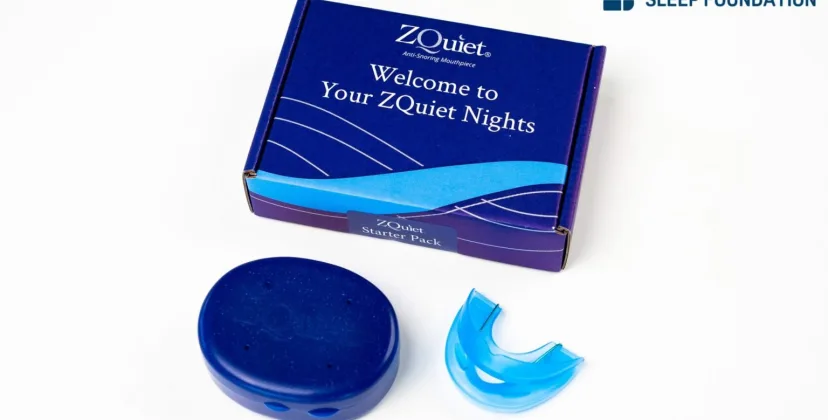
The Science Behind Mouthguards and Snoring: What You Need to Know
1. Boil and Bite Mouthguards – These are pre-formed mouthguards that can be softened in hot water and molded to the shape of the teeth. They are readily available at most drugstores and can be a cost-effective option for those looking to try out a mouthguard for snoring.
2. Custom-made Mouthguards – These are made by a dentist or a sleep specialist and are customized to fit the individual’s mouth. They are more expensive than boil and bite mouthguards but provide a better fit and can be more effective in treating snoring and sleep apnea.
3. Mandibular Advancement Devices (MADs) – These are specialized mouthguards that are designed to keep the lower jaw in a forward position. They are often recommended for those with moderate to severe sleep apnea and require a prescription from a dentist or sleep specialist.
The Science Behind Mouthguards and Snoring
Several studies have been conducted to investigate the effectiveness of mouthguards in treating snoring and sleep apnea. One study published in the Journal of Dental Sleep Medicine found that patients who used a custom-made mouthguard experienced a significant reduction in snoring intensity and sleep apnea symptoms. The study also reported an improvement in sleep quality and daytime sleepiness among the participants.
Another study published in the Journal of Clinical Sleep Medicine compared the effectiveness of MADs to continuous positive airway pressure (CPAP) therapy in treating sleep apnea. The results showed that both treatments were equally effective in reducing the severity of sleep apnea, but MADs were more tolerated by patients.
Aside from treating snoring and sleep apnea, mouthguards can also have a positive impact on overall dental health. By keeping the teeth in a proper position, they can help prevent teeth grinding or clenching, which can lead to dental problems such as worn enamel, jaw pain, and headaches.
In addition, mouthguards can also improve breathing and reduce the risk of other breathing disorders. A study published in the Journal of Prosthodontic Research found that patients who used a mandibular advancement device experienced an improvement in their breathing patterns and a reduction in symptoms of obstructive sleep apnea.
Final Thoughts
Mouthguards are a non-invasive and effective way to treat snoring and sleep apnea. They work by keeping the airway open and preventing obstructions that can cause snoring and breathing disruptions. With the help of a dentist or sleep specialist, you can find the right type of mouthguard for your specific needs and see improvements in your sleep quality and overall health.
In summary, mouthguards are an effective treatment option for snoring and sleep apnea. They work by keeping the airway open and preventing obstructions, and have been proven to be effective in several studies. They can also have positive impacts on dental health and reduce the risk of other breathing disorders. If you or a loved one suffers from snoring or sleep apnea, consider talking to a dentist or sleep specialist about using a mouthguard as a potential solution.