
Blog Post:
Sleep apnea and snoring are common sleep disorders that can significantly impact one’s quality of life. Both of these conditions can lead to interrupted sleep, daytime fatigue, and even serious health issues if left untreated. Thankfully, there are solutions available to help alleviate the symptoms of sleep apnea and snoring, such as mouthpieces. In this blog post, we will dive into the science behind mouthpieces for sleep apnea and snoring and how they can be an effective treatment option.
What is Sleep Apnea?
Before we discuss mouthpieces, let’s first understand what sleep apnea is. Sleep apnea is a sleep disorder where breathing repeatedly stops and starts during sleep. This can happen due to a blockage in the airway or when the brain fails to send the signal to breathe. There are three main types of sleep apnea: obstructive sleep apnea, central sleep apnea, and complex sleep apnea syndrome.
Obstructive sleep apnea (OSA) is the most common type and occurs when the muscles in the throat relax, causing the airway to narrow or close off completely. Central sleep apnea (CSA) happens when the brain fails to send the signal to the muscles that control breathing. Complex sleep apnea syndrome (CSAS) is a combination of both obstructive and central sleep apnea.
Symptoms of sleep apnea include loud snoring, gasping for air during sleep, daytime sleepiness, and morning headaches. If left untreated, sleep apnea can lead to serious health problems such as high blood pressure, heart disease, and stroke.
What is Snoring?
Snoring is a common condition that can occur on its own or as a symptom of sleep apnea. It happens when the airway is partially blocked, causing vibrations in the throat, which results in the sound of snoring. The sound can range from a soft whistle to a loud, disruptive noise. Snoring can also cause sleep disruptions and daytime fatigue, similar to sleep apnea.
The Science Behind Mouthpieces for Sleep Apnea and Snoring
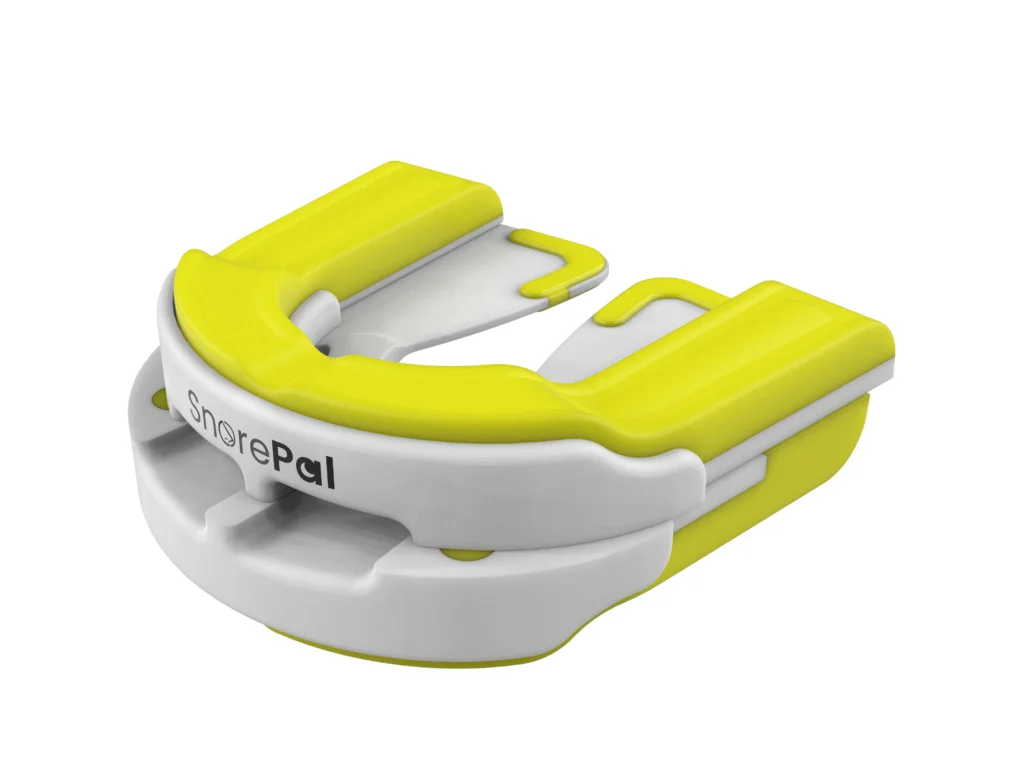
Mouthpieces, also known as oral appliances or mandibular advancement devices, are a popular treatment option for sleep apnea and snoring. These devices work by repositioning the jaw and tongue to keep the airway open during sleep, preventing apnea episodes and reducing snoring.
Several scientific studies have shown the effectiveness of mouthpieces in treating sleep apnea and snoring. A study published in the American Journal of Respiratory and Critical Care Medicine found that using a mouthpiece led to a significant reduction in sleep apnea and snoring episodes. The study also showed an improvement in daytime sleepiness and overall quality of life for the participants.
Another study published in the Journal of Clinical Sleep Medicine concluded that using a mouthpiece for sleep apnea was equally effective as continuous positive airway pressure (CPAP) therapy, the most common treatment for sleep apnea. This is encouraging news for those who struggle with CPAP therapy and are looking for alternative options.
The Science Behind Mouthpieces for Sleep Apnea and Snoring
How Do Mouthpieces Work?
Mouthpieces work by gently pushing the lower jaw forward, creating more space in the airway. This prevents the tongue and soft tissues from blocking the airway and causing snoring or apnea episodes.
Custom-made mouthpieces are made by taking impressions of the patient’s teeth and jaw. This ensures a perfect fit and maximum effectiveness. Over-the-counter mouthpieces are also available, but they may not be as effective as custom-made ones.
Types of Mouthpieces for Sleep Apnea and Snoring
There are two main types of mouthpieces for sleep apnea and snoring: mandibular advancement devices (MADs) and tongue retaining devices (TRDs).
MADs are the most common type and work by holding the lower jaw in a forward position. This keeps the airway open and prevents the soft tissues from collapsing. TRDs, on the other hand, work by holding the tongue in a forward position, preventing it from blocking the airway.
Which Type of Mouthpiece is Right for You?
The type of mouthpiece that is right for you depends on your specific needs and preferences. It is essential to consult with a sleep specialist or dentist who specializes in sleep apnea and snoring to determine the best treatment option for you.
Some factors to consider when choosing a mouthpiece include comfort, effectiveness, and degree of customization. Custom-made mouthpieces may be more expensive, but they offer a better fit and are more effective in treating sleep apnea and snoring.
It is also crucial to follow up with your dentist or sleep specialist regularly to ensure that the mouthpiece is working correctly and to make any necessary adjustments.
In conclusion, mouthpieces can be a highly effective treatment option for sleep apnea and snoring. They work by repositioning the jaw and tongue to keep the airway open, preventing apnea episodes and reducing snoring. With advancements in technology and growing research, mouthpieces continue to be a popular and successful solution for those struggling with sleep apnea and snoring.
Summary:
Sleep apnea and snoring are common sleep disorders that can have a significant impact on one’s health and quality of life. Mouthpieces, also known as oral appliances, are a popular treatment option for these conditions. They work by repositioning the jaw and tongue to keep the airway open, preventing apnea episodes and reducing snoring. Scientific studies have shown the effectiveness of mouthpieces, and they are considered as an equally effective alternative to CPAP therapy. There are two main types of mouthpieces: mandibular advancement devices (MADs) and tongue retaining devices (TRDs). Choosing the right mouthpiece depends on individual needs and preferences, and it is essential to consult with a sleep specialist or dentist for proper fitting and follow-up care.