
Blog Post:
Sleep apnea is a common sleep disorder that affects millions of people worldwide. It is a condition in which a person’s breathing pauses or becomes shallow while they are asleep. These pauses can last for a few seconds to a few minutes and can occur multiple times during the night. While it may seem like a harmless issue, sleep apnea can have serious consequences on a person’s health and well-being. In this blog post, we will explore the science behind sleep apnea, including its causes and potential remedies.
Causes of Sleep Apnea:
To understand sleep apnea, we must first understand the different types of sleep apnea. There are three types of sleep apnea: obstructive sleep apnea, central sleep apnea, and complex sleep apnea syndrome.
Obstructive sleep apnea (OSA) is the most common type of sleep apnea and occurs when the airway becomes blocked during sleep. This can happen due to various reasons, such as excess tissue in the throat, enlarged tonsils, or a large tongue. In OSA, the muscles in the throat relax, causing the airway to narrow or close, leading to pauses in breathing.
Central sleep apnea (CSA) is a less common type of sleep apnea that occurs when the brain fails to send proper signals to the muscles that control breathing. Unlike OSA, the airway is not blocked, but the brain fails to initiate breathing, resulting in pauses in breathing. CSA is often associated with underlying medical conditions such as heart failure or neurological disorders.
Complex sleep apnea syndrome (CSAS) is a combination of both OSA and CSA. In this type of sleep apnea, the airway is blocked, but the brain also fails to send proper signals to the muscles that control breathing.
Risk Factors for Sleep Apnea:
While anyone can develop sleep apnea, several factors can increase a person’s risk. These include:
1. Obesity: People who are overweight or obese are more likely to develop sleep apnea due to the excess fat deposits around the neck, which can block the airway.
2. Age: As we age, our muscles tend to lose their tone, including the muscles in the throat, which can increase the risk of sleep apnea.
3. Gender: Men are more likely to develop sleep apnea than women. However, the risk for women increases after menopause.
4. Family History: If you have a family history of sleep apnea, you are at a higher risk of developing the condition.
5. Smoking and Alcohol Consumption: Both smoking and alcohol consumption can relax the muscles in the throat, making it more likely for the airway to become blocked.
Effects of Sleep Apnea on Health:
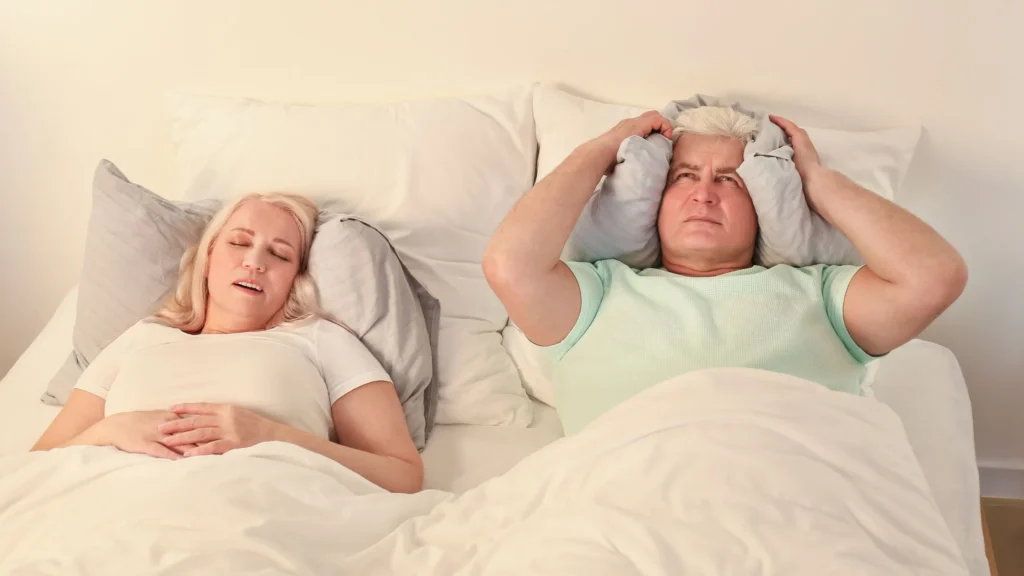
The Science Behind Sleep Apnea: Understanding the Causes and Remedies
Sleep apnea is not just a sleep disorder; it can have serious consequences on a person’s health if left untreated. Some of the health effects of sleep apnea include:
1. High Blood Pressure: The frequent drops in oxygen levels during sleep apnea can cause the body to release stress hormones, which can raise blood pressure.
2. Cardiovascular Disease: People with sleep apnea are at a higher risk of developing heart disease, stroke, and other cardiovascular problems.
3. Type 2 Diabetes: Sleep apnea can affect the body’s ability to regulate blood sugar levels, increasing the risk of developing type 2 diabetes.
4. Daytime Fatigue: The constant interruptions in sleep can leave a person feeling tired and fatigued during the day, affecting their productivity and quality of life.
Remedies for Sleep Apnea:
The most common treatment for sleep apnea is continuous positive airway pressure (CPAP) therapy, which involves wearing a mask over the nose and mouth that delivers a continuous flow of air to keep the airway open. However, CPAP therapy may not be suitable for everyone, and there are other remedies that can help manage sleep apnea, such as:
1. Oral Appliances: These are custom-made devices that can help keep the airway open by holding the jaw in a forward position.
2. Weight Loss: Losing weight can help reduce the excess tissue in the throat, reducing the risk of the airway becoming blocked.
3. Positional Therapy: Some people may only experience sleep apnea when sleeping on their back. In such cases, positional therapy, which involves wearing a device that prevents sleeping on the back, can be helpful.
4. Surgery: In severe cases of sleep apnea, surgery may be recommended to remove excess tissue in the throat or correct any structural issues that may be causing the airway to become blocked.
5. Lifestyle Changes: Making certain lifestyle changes, such as quitting smoking, limiting alcohol consumption, and regular exercise, can also help manage sleep apnea.
In conclusion, sleep apnea is a common sleep disorder that can have serious consequences if left untreated. Understanding the different types of sleep apnea, its causes, and potential remedies can help individuals seek proper treatment and improve their overall health and well-being.
Summary:
Sleep apnea is a common sleep disorder that involves pauses in breathing during sleep. There are three types of sleep apnea: obstructive, central, and complex. Some risk factors for sleep apnea include obesity, age, gender, family history, smoking, and alcohol consumption. Sleep apnea can have serious health effects, including high blood pressure, cardiovascular disease, type 2 diabetes, and daytime fatigue. The most common treatment is CPAP therapy, but other remedies such as oral appliances, weight loss, positional therapy, surgery, and lifestyle changes can also be helpful.