
Blog Post Title: The Science Behind Snoring: How Airway Expansion Mouthpieces Can Help
Summary:
Snoring affects millions of people worldwide and can disrupt not only the snorer’s sleep, but also their partner’s. While many may brush snoring off as a minor annoyance, it can actually be a sign of a more serious underlying issue. In this blog post, we will dive into the science behind snoring and how airway expansion mouthpieces can help alleviate this common sleep issue.
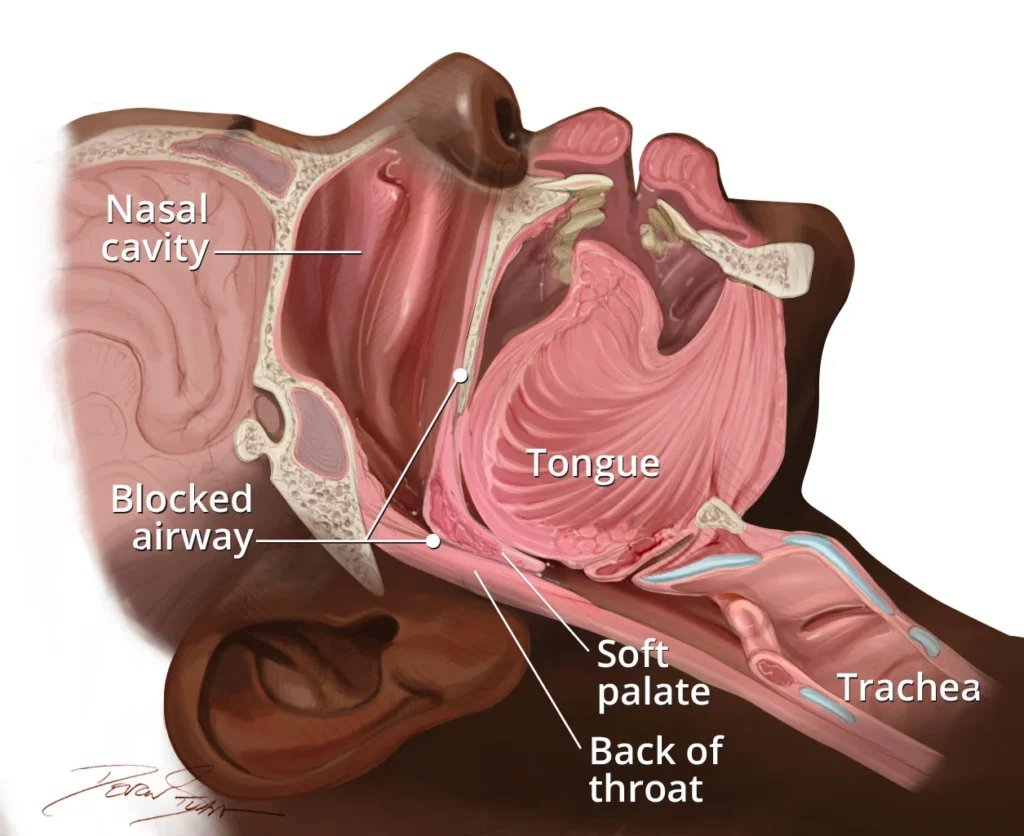
First, let’s understand why we snore. Snoring occurs when the airway becomes partially blocked, causing vibrations in the throat and leading to the loud, rumbling sound we all know. This blockage can be caused by various factors such as nasal congestion, enlarged tonsils, or a deviated septum. It can also be a result of lifestyle choices such as smoking, alcohol consumption, or being overweight.
One of the most effective ways to combat snoring is by using an airway expansion mouthpiece, also known as a mandibular advancement device. These mouthpieces work by gently pulling the lower jaw forward, opening up the airway and allowing for easier breathing during sleep. But how exactly do they achieve this?
The key lies in the anatomy of the airway. When we sleep, our muscles relax, including those in the throat. For some people, this relaxation causes the soft tissue in the back of the throat to collapse and block the airway, resulting in snoring. By holding the jaw in a slightly forward position, airway expansion mouthpieces prevent this collapse and keep the airway open.
The Science Behind Snoring: How Airway Expansion Mouthpieces Can Help
But that’s not all. Research has also shown that these mouthpieces can also help with tongue placement. The tongue is a large muscle that can also contribute to airway blockage when it falls back into the throat during sleep. By keeping the lower jaw slightly forward, the mouthpiece helps to keep the tongue in a more forward position, reducing the risk of obstruction.
So, do airway expansion mouthpieces really work? The short answer is yes. Numerous studies have shown that these devices are effective in reducing snoring and improving sleep quality. In fact, a study published in the Journal of Clinical Sleep Medicine found that the use of airway expansion mouthpieces reduced snoring by 40% and improved sleep quality by 50%.
But how do you know if an airway expansion mouthpiece is right for you? The best way to determine this is by consulting with a sleep specialist. They can evaluate your specific case and recommend the best course of treatment, which may include the use of a mouthpiece.
It’s also important to note that not all airway expansion mouthpieces are created equal. There are various types available in the market, and it’s crucial to choose one that is custom-fit for your mouth. This ensures maximum comfort and effectiveness while using the device.
In addition to using an airway expansion mouthpiece, there are other lifestyle changes that can help reduce snoring. Maintaining a healthy weight, avoiding alcohol and smoking, and sleeping on your side instead of your back are all beneficial in reducing snoring.
In conclusion, snoring may seem like a harmless annoyance, but it can actually be a sign of a more serious underlying issue. By understanding the science behind snoring, we can see how airway expansion mouthpieces can effectively help alleviate this common sleep issue. If you or your partner are struggling with snoring, consult with a sleep specialist to see if an airway expansion mouthpiece is a suitable solution for you.