
Blog Post:
When it comes to getting a good night’s sleep, snoring can often be one of the biggest obstacles. Not only can it disrupt your own sleep, but it can also disturb your partner’s sleep as well. While many couples may try to ignore the issue or find ways to deal with it, such as earplugs or white noise machines, the science behind snoring suggests that sleeping in separate rooms may actually be the best solution.
So why do people snore in the first place? Snoring occurs when the flow of air through the mouth and nose is obstructed, causing vibrations in the throat. This obstruction can be caused by a variety of factors, including being overweight, having an enlarged tongue or tonsils, or sleeping on your back. It can also be a symptom of a more serious condition, such as sleep apnea.
When we sleep, our bodies go through different stages of sleep, including non-rapid eye movement (NREM) and rapid eye movement (REM) sleep. During NREM sleep, our muscles relax and our airways can become more narrow, making us more prone to snoring. On the other hand, during REM sleep, our muscles are more active and our airways are less likely to become obstructed, resulting in less snoring.
So how does sleeping in separate rooms help with snoring? When couples sleep in the same bed, their sleep patterns often become synchronized. This means that if one partner begins to snore, the other partner may also be more likely to start snoring or have their sleep disrupted. By sleeping in separate rooms, each partner can have their own uninterrupted sleep cycle, resulting in a better quality of sleep.
Another benefit of sleeping in separate rooms is the ability to customize your sleeping environment. Everyone has different preferences when it comes to temperature, lighting, and noise levels while they sleep. By sleeping in separate rooms, each partner can create their own ideal sleeping environment, making it easier to fall asleep and stay asleep throughout the night.
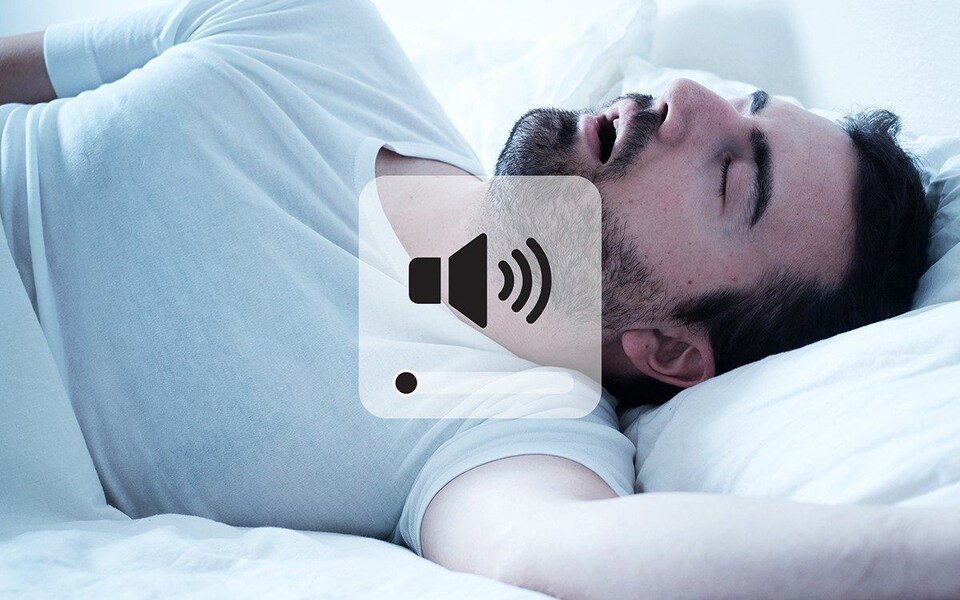
The Science Behind Snoring: How Sleeping in Separate Rooms Can Help
Sleeping in separate rooms may also be beneficial for couples who have different schedules or sleep habits. For example, if one partner works night shifts while the other works during the day, their sleep patterns may clash, leading to disrupted sleep for both partners. By sleeping in separate rooms, each partner can stick to their own schedule without disturbing the other.
While sleeping in separate rooms may seem like a drastic solution, it can actually have a positive impact on a relationship. Not only does it result in better quality sleep for both partners, but it can also lead to less resentment and frustration caused by sleep disturbances. It allows each partner to prioritize their own sleep, leading to better overall health and well-being.
Of course, sleeping in separate rooms is not a one-size-fits-all solution. Some couples may feel uncomfortable or lonely sleeping apart, and that is completely understandable. However, it is worth considering if snoring is a constant issue in your relationship and if it is negatively affecting your sleep and overall health.
In conclusion, the science behind snoring shows that sleeping in separate rooms can be a beneficial solution for couples struggling with snoring. By creating personalized sleeping environments and allowing each partner to have their own uninterrupted sleep cycle, it can lead to better quality sleep and a healthier relationship. So if snoring is keeping you and your partner up at night, it may be time to consider separate rooms for a better night’s rest.
Summary:
Snoring can be a major obstacle to getting a good night’s sleep, and it can also disrupt your partner’s sleep. The science behind snoring suggests that sleeping in separate rooms may be the best solution. This is because snoring is caused by obstructions in the airways, and our sleep patterns can become synchronized when we sleep in the same bed, making us more prone to snoring. Sleeping in separate rooms allows each partner to have their own uninterrupted sleep cycle and create their own ideal sleeping environment. It can also benefit couples with different schedules or sleep habits. While it may not be the right solution for every couple, it can lead to better quality sleep and a healthier relationship.