
Blog Post:
Silence is golden, especially when it comes to getting a good night’s sleep. But for many people, snoring can be a major disruption to their sleep and the sleep of their loved ones. Snoring occurs when the airway becomes partially blocked, causing vibrations in the soft tissues of the throat. This can be caused by a variety of factors, including excess weight, alcohol consumption, and sleeping on your back. While there are many products on the market claiming to stop snoring, one of the most effective and scientifically backed solutions is the pressure relief mouthpiece. In this blog post, we will delve into the science behind these mouthpieces and how they can help alleviate snoring.
Understanding Snoring:
Before we dive into the specifics of pressure relief mouthpieces, let’s first understand what causes snoring. As mentioned earlier, snoring occurs when the airway becomes partially blocked, causing vibrations in the soft tissues of the throat. This blockage can be caused by a few different factors. One common cause is excess weight, as the extra tissue in the throat can put pressure on the airway. Another factor is alcohol consumption, as alcohol can relax the throat muscles and cause them to collapse, obstructing the airway. Sleeping on your back can also contribute to snoring, as it can cause the tongue to fall back and block the airway.
The Science Behind Pressure Relief Mouthpieces:
So how exactly do pressure relief mouthpieces work to alleviate snoring? The answer lies in their design. These mouthpieces are custom-made to fit your mouth and are typically made from a soft, pliable material. They work by gently holding the jaw in a slightly forward position, which helps to keep the airway open and prevent the soft tissues from collapsing and causing vibrations.
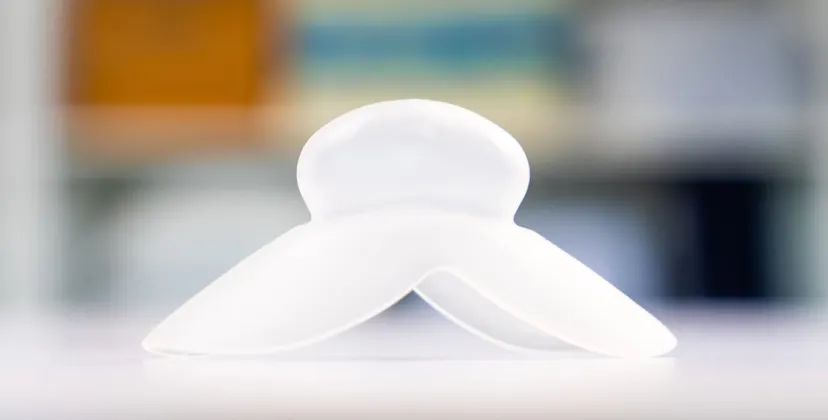
The Science of Silence: Understanding Pressure Relief Mouthpieces for Snoring
One of the key features of pressure relief mouthpieces is their ability to provide constant, gentle pressure on the jaw. This pressure is what keeps the airway open and prevents snoring. It also helps to keep the tongue in a forward position, preventing it from falling back and obstructing the airway. By keeping the airway open and the tongue in place, pressure relief mouthpieces effectively reduce or eliminate snoring.
Benefits of Pressure Relief Mouthpieces:
Aside from reducing or eliminating snoring, pressure relief mouthpieces offer a range of benefits. They are comfortable to wear and do not interfere with breathing or speaking, making them a convenient solution for snoring. They are also compact and easy to travel with, making them a great option for those who frequently travel. Additionally, pressure relief mouthpieces have been found to be effective for people with mild to moderate sleep apnea, a condition where breathing repeatedly stops and starts during sleep.
Tips for Using Pressure Relief Mouthpieces:
To get the most out of your pressure relief mouthpiece, there are a few tips to keep in mind. First and foremost, it is important to have a custom-made mouthpiece rather than a one-size-fits-all option. This ensures a proper fit and maximum effectiveness. It is also essential to follow the instructions provided by your dentist or the manufacturer for wearing and cleaning the mouthpiece. Lastly, it may take some time to get used to wearing a mouthpiece while sleeping, so be patient and allow your body time to adjust.
In Summary:
Snoring can be a major disruption to your sleep and the sleep of your loved ones, but thankfully, there are effective solutions available. Pressure relief mouthpieces work by gently holding the jaw in a forward position, keeping the airway open and preventing snoring. They are comfortable, convenient, and can even help with mild to moderate sleep apnea. To get the most out of your mouthpiece, be sure to have a custom-made one, follow the instructions provided, and allow your body time to adjust.