
Blog Post:
Sleep is an essential part of our daily lives, and it plays a crucial role in our overall health and well-being. However, for many people, getting a good night’s rest is not as easy as it sounds. Sleep disorders affect millions of people worldwide, and they can have significant impacts on both physical and mental health. One of the most common sleep disorders is snoring, which is often seen as just a minor annoyance. But the truth is, snoring can be a sign of a more serious health issue and understanding its underlying science is vital in finding effective solutions.
So, let’s dive into the science of sleep disorders and see how snoring fits into the picture.
What are Sleep Disorders?
Sleep disorders are conditions that disrupt the normal pattern of sleep. They can affect the quality and quantity of sleep, leading to daytime fatigue, difficulty concentrating, mood changes, and other health issues. There are over 70 different types of sleep disorders, and they can be categorized into four main groups:
1. Insomnia: This is the most common sleep disorder, where a person has difficulty falling or staying asleep.
2. Sleep-Related Breathing Disorders: These include conditions such as snoring, sleep apnea, and other respiratory issues that affect breathing during sleep.
3. Parasomnias: These are abnormal movements, behaviors, emotions, and perceptions that occur during sleep, such as sleepwalking, nightmares, and night terrors.
4. Circadian Rhythm Disorders: These are disruptions in the body’s internal clock, leading to difficulty falling asleep or staying asleep at the right time.
The Science Behind Sleep Disorders
To understand sleep disorders, we must first understand the science of sleep. Our sleep cycle is divided into two main types: Non-REM (rapid eye movement) and REM sleep. Non-REM sleep is further divided into three stages, with each stage having a specific purpose in the body’s restorative process. During this time, our body repairs tissues, strengthens the immune system, and consolidates memories. REM sleep is known as the dream stage, where most of our brain activity occurs, and it is essential for cognitive function and emotional well-being.
Sleep disorders can occur due to various factors, including genetic predisposition, lifestyle habits, underlying health conditions, and environmental factors. One of the most common factors is a disruption in the body’s natural sleep-wake cycle, also known as the circadian rhythm. This rhythm is regulated by a part of the brain called the suprachiasmatic nucleus, which responds to external cues such as light and darkness. Any disruptions to this rhythm can lead to sleep disorders such as jet lag, shift work sleep disorder, and delayed sleep phase syndrome.
The Science of Sleep Disorders: How Snoring Fits In
How Snoring Fits In
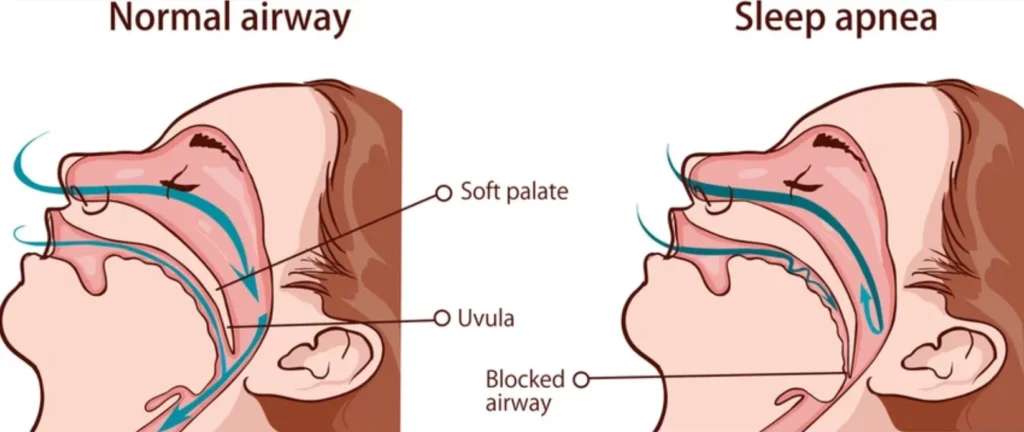
Snoring is a common sleep disorder that affects approximately 90 million adults in the United States alone. It occurs when the soft tissues in the throat relax during sleep, causing vibrations in the airway, resulting in the characteristic snoring sound. While snoring is often seen as a harmless annoyance, it can be a sign of a more serious condition known as sleep apnea.
Sleep apnea is a potentially life-threatening sleep disorder, where a person’s breathing is repeatedly interrupted during sleep. This can happen hundreds of times per night, leading to a decrease in the oxygen supply to the brain and other organs. The most common type of sleep apnea is obstructive sleep apnea (OSA), where the airway becomes partially or completely blocked, leading to pauses in breathing. Snoring is a common symptom of OSA, and it is estimated that 80% of people with sleep apnea snore.
The Link Between Snoring and Health Issues
Snoring may seem like a trivial issue, but it can have serious implications on a person’s health. The loud and disruptive nature of snoring can lead to sleep disturbances not only for the snorer but also for their bed partner. This can result in daytime sleepiness, irritability, and difficulty concentrating, affecting daily activities and relationships.
Apart from the impact on daily life, snoring can also be a sign of underlying health conditions. As mentioned earlier, snoring is a common symptom of sleep apnea, which has been linked to several health problems, including high blood pressure, heart disease, stroke, and diabetes. Snoring has also been associated with an increased risk of carotid artery disease, which can lead to the narrowing of blood vessels in the neck, increasing the risk of stroke.
Treatment Options for Snoring
Fortunately, there are several treatment options available for snoring, depending on the severity and underlying cause. For mild cases, simple lifestyle changes such as losing weight, avoiding alcohol and sedatives before bedtime, and changing sleeping positions can help reduce snoring. There are also oral devices that can be worn during sleep to keep the airway open, preventing snoring.
In more severe cases, continuous positive airway pressure (CPAP) therapy is the most effective treatment for sleep apnea. This involves wearing a mask over the nose and mouth during sleep, which delivers a continuous flow of air, keeping the airway open. Surgery may also be an option for some people, depending on the cause and severity of snoring.
In Conclusion
Sleep disorders, including snoring, can have a significant impact on our health and well-being. Understanding the science behind sleep and how snoring fits into the picture is crucial in finding effective solutions. If you or your partner are experiencing snoring, it is essential to consult a healthcare professional for proper diagnosis and treatment. With the right approach, a good night’s rest is possible, leading to a healthier and happier life.
Summary:
Sleep disorders are conditions that disrupt the normal pattern of sleep, and they can have significant impacts on both physical and mental health. Snoring, a common sleep disorder, is often seen as just a minor annoyance, but it can be a sign of a more serious health issue. Snoring occurs when the soft tissues in the throat relax during sleep, causing vibrations in the airway. It is often a symptom of obstructive sleep apnea, a potentially life-threatening condition where a person’s breathing is repeatedly interrupted during sleep. Snoring can also be linked to other health issues such as high blood pressure, heart disease, and stroke. Treatment options for snoring include lifestyle changes, oral devices, CPAP therapy, and surgery. Understanding the underlying science of sleep disorders and snoring is essential in finding effective solutions for a good night’s rest.